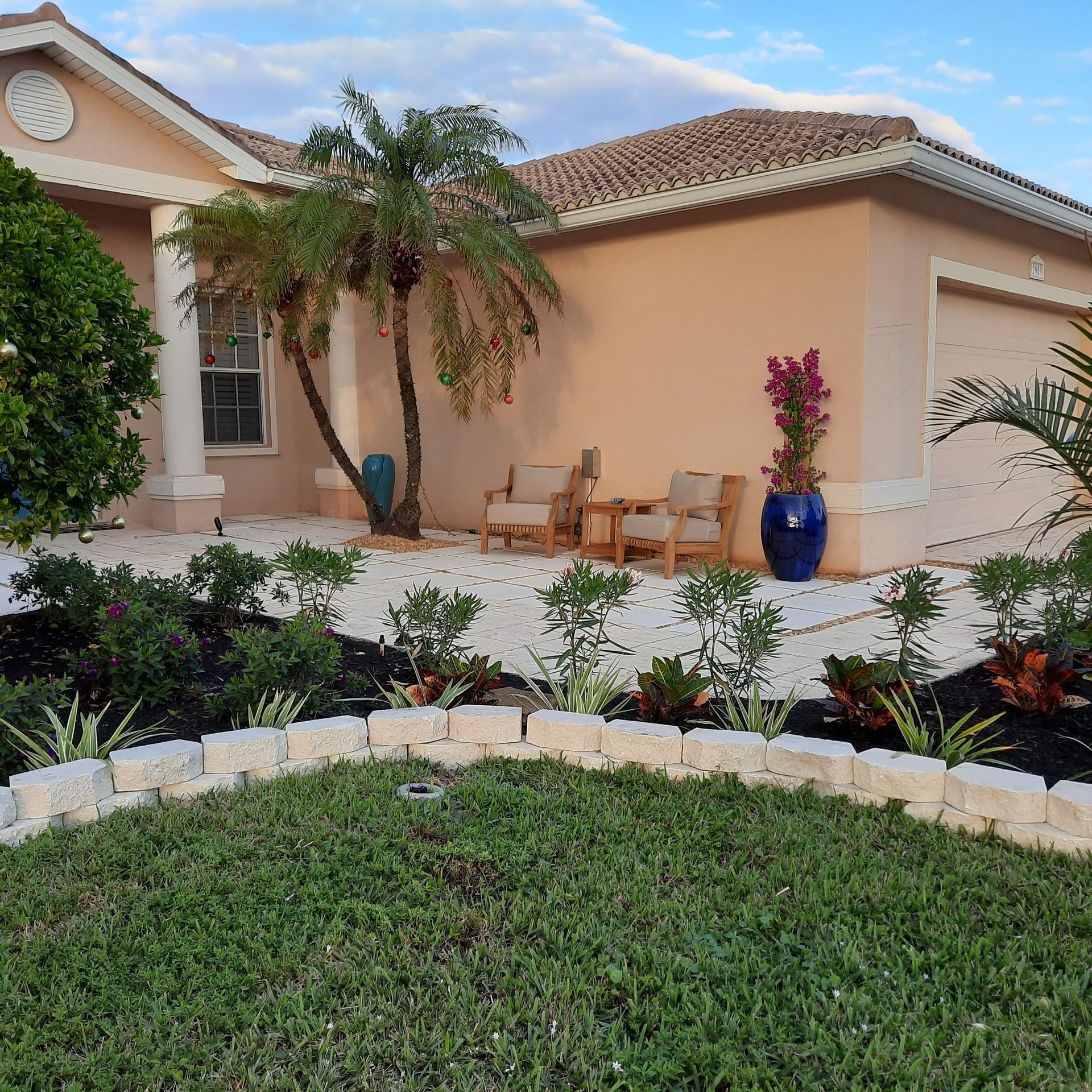



How Far to Plant Shrubs in Cape Coral
Shrubs can look harmless on planting day, then crowd a wall, block a window, or trap moisture within a season. In Cape Coral, heat, humidity, and heavy summer rain make that problem show up fast.
If you want to plant shrubs in Cape Coral, the first question is distance from the house. The right answer depends on how big the shrub gets at maturity, not how small it looks in the nursery pot.
That rule changes a little near concrete, pavers, turf, and drainage paths. A few extra inches today can save years of pruning later.
Use Mature Size, Not Nursery Size
Nursery tags can be misleading. A 3-gallon shrub may look tidy now, but the same plant can spread wide enough to scrape stucco or swallow a walkway. Mature width is the number that matters most.
Use the finished spread as your guide, then add space for airflow and pruning. For many foundation plantings, a shrub should sit at least half its mature width away from the wall. Bigger shrubs need more room, especially if they arch or form dense canopies.
A simple way to think about it is this, the house edge is a boundary, not a place for the plant to grow into. If the shrub will eventually touch the wall, it was planted too close.
Here is a quick spacing guide for Cape Coral homes.
| Mature shrub width | Suggested distance from house | Typical use |
|---|---|---|
| 2 to 3 feet | 12 to 24 inches | Low accents, small beds |
| 4 to 5 feet | 24 to 36 inches | Foundation plantings, corners |
| 6 to 8 feet | 36 to 48 inches or more | Screening, larger beds |
| 8 feet and up | 4 feet or more | Big hedges, property edges |
These are starting points, not hard rules. Fast-growing shrubs, dense hedges, and plants near windows usually need the extra gap.
A small plant today can still be a big plant next summer.
Foundation Spacing That Fits Cape Coral Homes
Most Cape Coral homes do better with 18 to 36 inches between the wall and the shrub line. That gives roots and branches room, and it keeps air moving near stucco, siding, and trim. In a humid place, tight beds hold moisture longer than people expect.
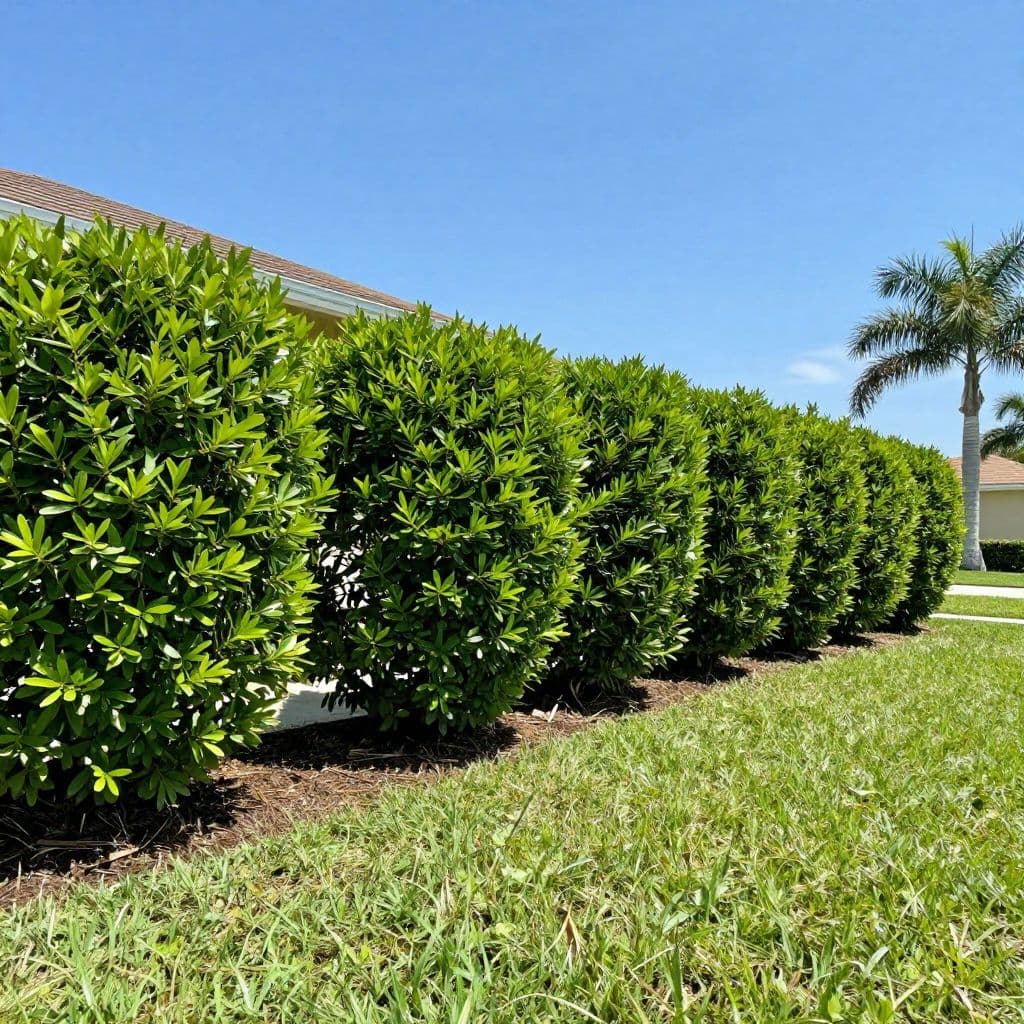
From there, adjust by plant size. Small shrubs that stay under 3 feet tall can fit closer, but only if they stay low and compact. Medium shrubs usually need 2 to 3 feet. Large shrubs should sit 3 to 4 feet out or farther.
A few spots need extra space no matter the plant. Leave room around hose bibs, window screens, vents, AC units, and electric panels. If a shrub will block a door swing, shade a window, or reach a downspout, move it out.
That same spacing helps when you are planning professional landscape design and installation for the whole yard. Shrubs, walkways, and hard edges work better when each piece has breathing room.
Before you dig near a house, verify local requirements and check for buried utilities. That matters even more near corners, walkways, and added concrete borders.
Drainage and Stormwater Can Change the Answer
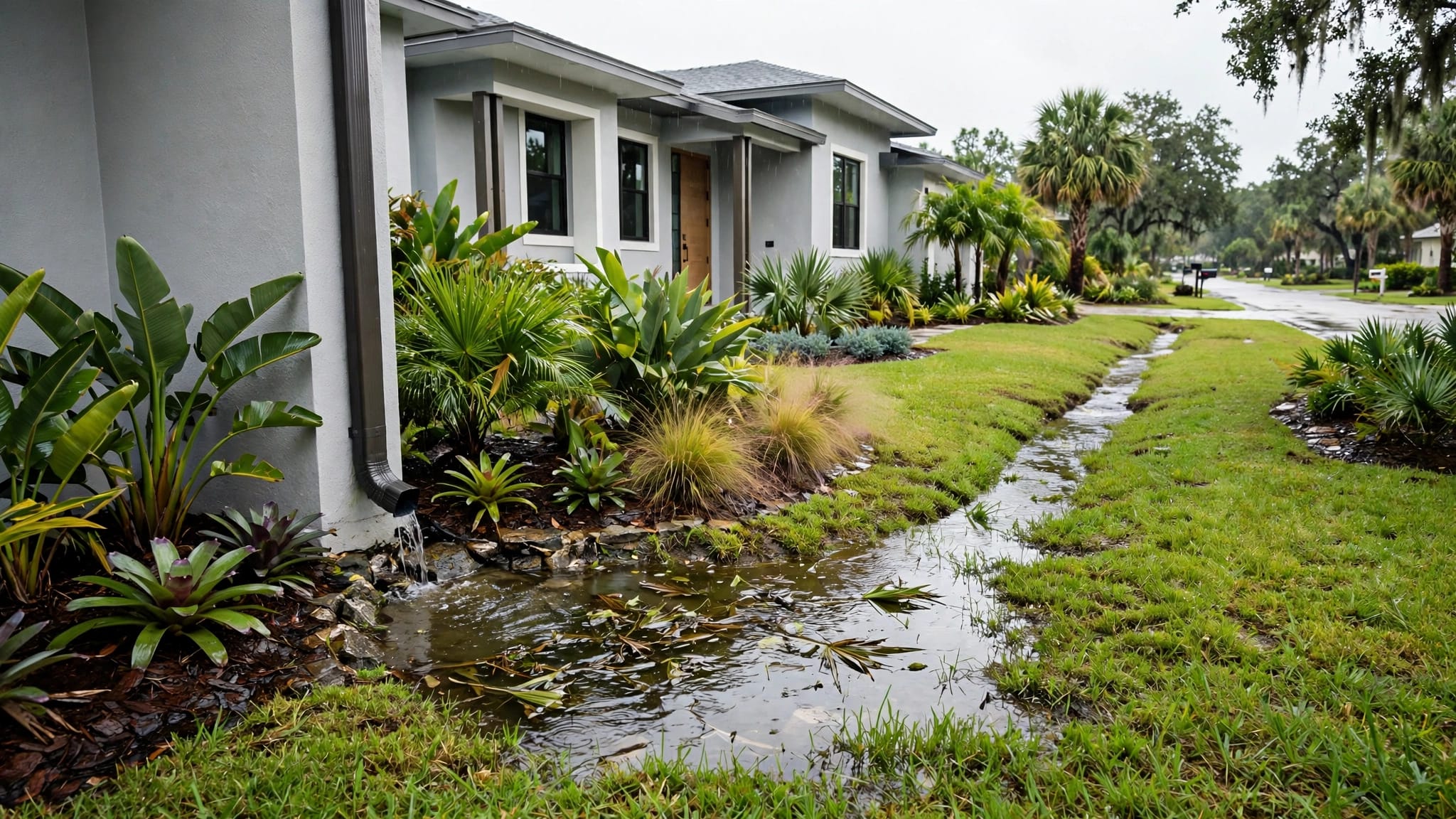
Southwest Florida rain can turn a bad planting spot into a soggy mess. Shrubs hate sitting with wet roots after summer storms. If water pools near the house, move the bed, raise it, or choose plants that handle moisture better.
Watch how stormwater moves after a hard rain. If mulch slides toward the wall, or puddles sit for hours, the site needs a better plan. That may mean a shallow swale, a raised bed, or a different shrub line.
Do not plant tightly in low spots just because they look empty. Empty and dry is better than full and swampy.
A good test is simple. After rain, walk the bed and look for:
- standing water
- soft soil that squishes underfoot
- mulch washed against the foundation
- runoff from downspouts or patios
If any of those show up, give the bed more space or change the grade first. Cape Coral yards often have flat areas, so drainage often depends on small changes. A slight slope away from the house can make a big difference.
That matters near pavers and concrete too. Water that hangs around a slab edge can stain the surface, weaken the base, and make nearby shrubs harder to keep healthy. Good landscaping starts with water moving away from the home, not toward it.
Leave Room for Maintenance and Hardscape Work
Good landscaping leaves space for more than the plant itself. It leaves room for pruning shears, ladders, pressure washers, and the people who need to work on the yard later.
If shrubs sit too close to pavers, patio slabs, or driveway edges, maintenance turns awkward fast. You need room for paver cleaning, hose access, and simple sweeping. Tight shrubs also make it harder for a concrete company to repair a slab or add a walkway without damaging branches.
The same is true when you plan around artifical turf. Clean edges matter there too. Shrubs that spill over turf make trimming harder, and they trap leaves and debris along the border. A little gap keeps the edge crisp and easier to wash down.
Keep a wider gap near:
- driveway edges and walkways
- AC units and utility areas
- window screens and exterior lights
- artifical turf seams and borders
- irrigation valves and backflow devices
If your yard needs both planting and hardscape updates, line up the work in the right order. Beds should fit the final layout, not the other way around. That is especially true when a concrete company is adding a pad, widening a path, or fixing a cracked section.
If you need to protect a paver edge or keep a patio easy to clean, give yourself more room than you think. Shrubs grow through the warm months, and they grow fast when rain and irrigation stay steady. What feels roomy in March can feel crowded by August.
A Simple Spacing Check Before You Dig
Before you plant, run a quick check. It takes a few minutes, and it saves a lot of rework.
- Look up the shrub's mature height and spread.
- Measure from the wall, not from the mulch edge.
- Mark windows, doors, hoses, and utility spots.
- Confirm water drains away from the foundation.
- Step back from the curb and see whether the bed still feels open.
If the shrub fills the space on day one, the bed is too tight. Give it room to grow into the design instead of forcing it to stay small.
This works for front yards, side yards, and backyard screens. It also helps when you are comparing shrubs with other exterior upgrades. A bed that fits beside pavers, concrete, and irrigation lines will be easier to live with year after year.
When the layout feels crowded, choose a smaller shrub or move the bed outward. That simple choice often looks better than packing in more plants.
Conclusion
The safest spacing choice is the one that fits the shrub at full size. In Cape Coral, that usually means more room than people expect, because humidity and summer rain keep crowded beds wet longer.
Give extra space near walls, pavers, and concrete, and keep maintenance access in mind from the start. A well-placed shrub should frame the home, not fight it.