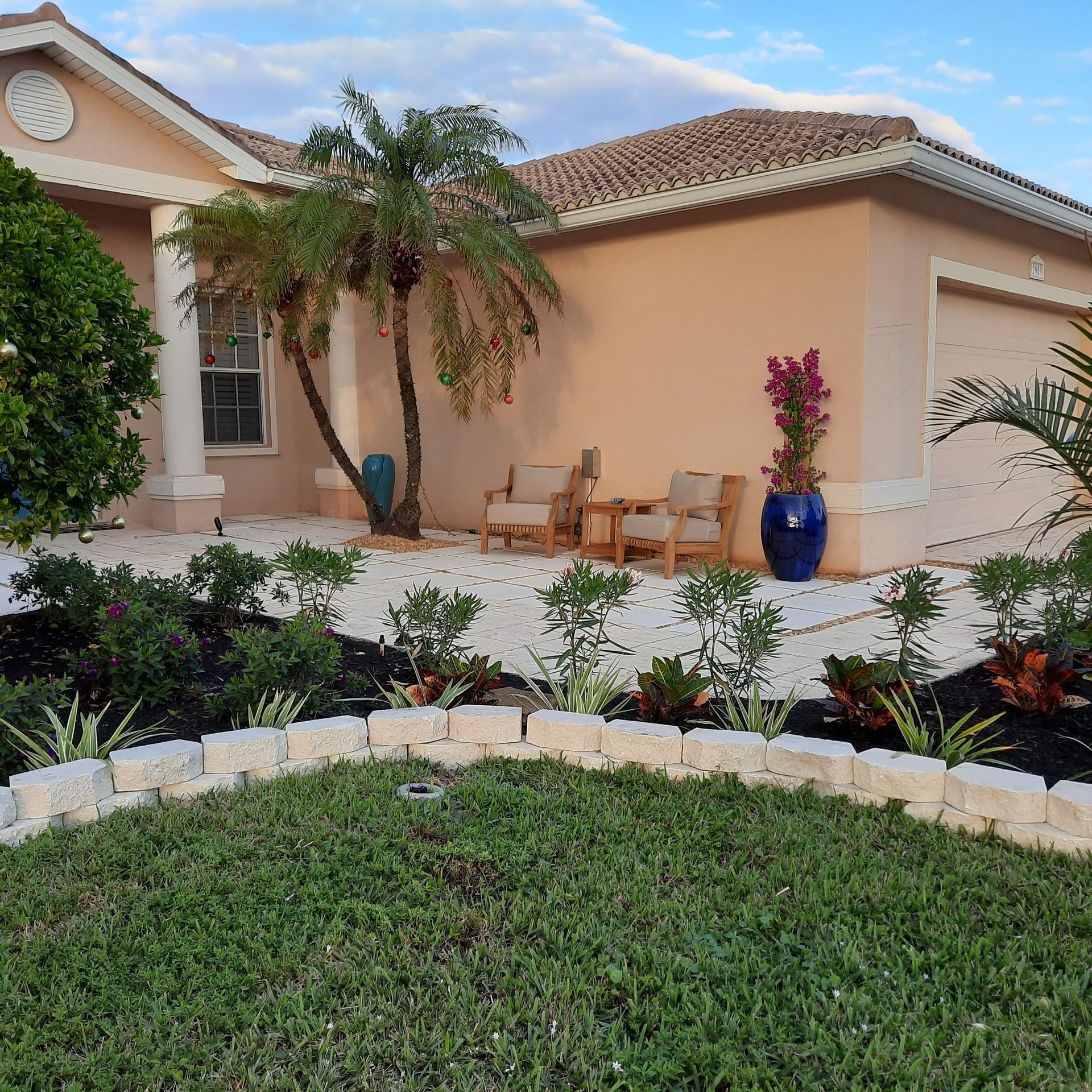



Best Low-Maintenance Cape Coral Entrance Plants for HOAs
A community entrance gets judged before the clubhouse, the homes, or the amenities ever come into view. In Cape Coral, that first look has to hold up against brutal sun, salt air, wind, and irrigation that never seems perfectly even.
The best Cape Coral entrance plants are the ones that stay neat without constant trimming, replanting, or cleanup. They also need to work around monument signs, medians, and entry beds without blocking visibility or fighting the hardscape.
For HOA landscaping, the smartest choice is usually the one that looks good in month one and still looks calm in month twelve. The right plant mix can make an entrance feel polished, predictable, and easy to maintain.
What Cape Coral HOA entrances need to handle
Cape Coral entrances deal with more stress than most entry beds. Full sun hits hard for most of the day, and reflected heat bounces back from pavers, curbs, and concrete walls. Salt in the air can also dry out tender leaves and leave edges looking tired.
That means plant choice has to match the site, not just the mood board. A good plan starts with professional landscape design and installation, so the beds, irrigation, and plant spacing fit the property from the start.
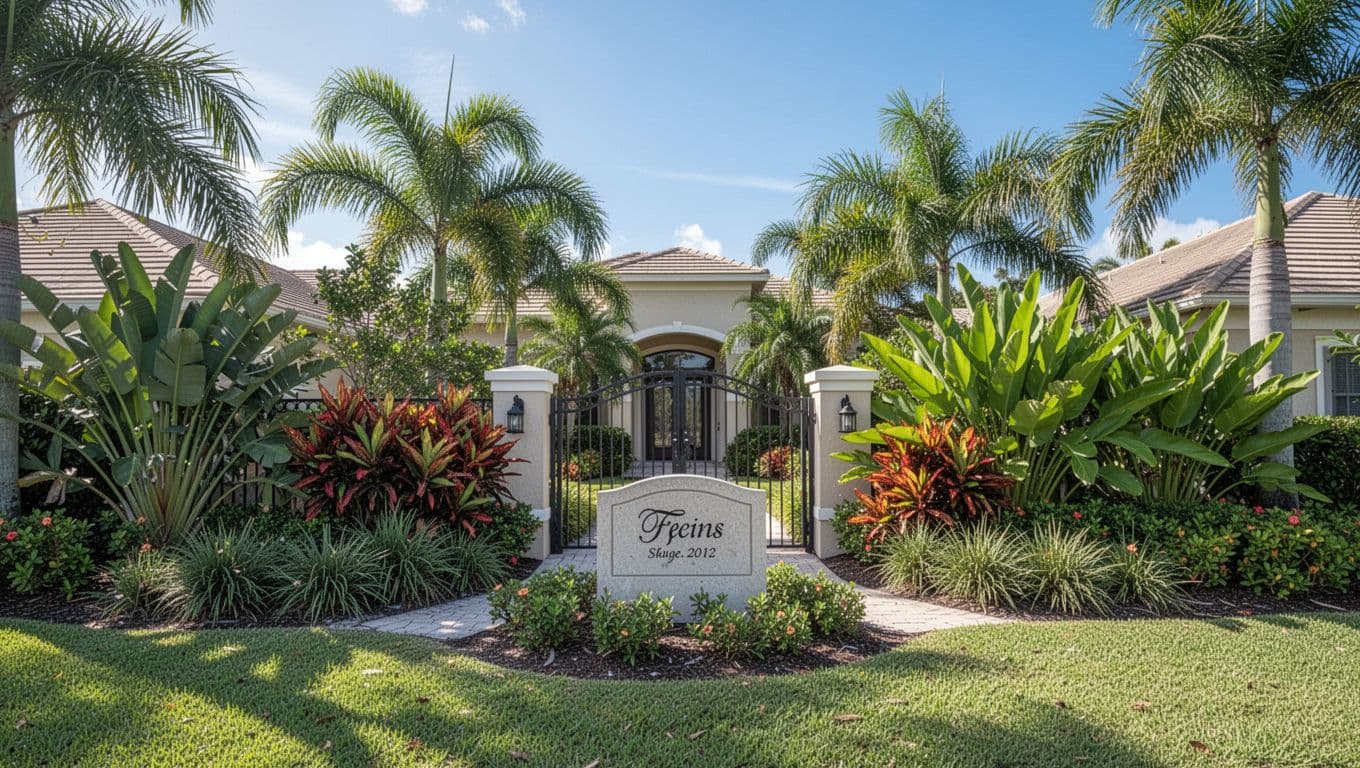
When a concrete company adds curbs, sign pads, or wall caps, the planting plan has to leave space for maintenance access and root growth. Tight beds may look clean at first, but they become harder to trim, edge, and water.
A good entrance bed does three jobs at once, it frames the sign, stays visible from the road, and keeps cleanup simple.
The best layouts use plants with a clear shape, fewer litter issues, and a size that fits the space. That matters even more near busy intersections, where drivers need open sightlines and staff need easy access for upkeep.
Low-maintenance plants that work well at HOA entrances
The strongest choices for Cape Coral entrance plants are the ones that handle heat, hold their form, and still look intentional with basic care. These are the plants that tend to work best near signs, medians, and front beds.
| Plant | Why it works | Caution | Best use |
|---|---|---|---|
| Simpson's stopper | Dense, tidy, native, and heat tolerant | Needs light shaping | Monument beds and corner accents |
| Dwarf yaupon holly | Clean outline and easy to trim | Female plants can drop berries | Formal entry beds |
| Cocoplum | Strong coastal tolerance and good screening | Can spread wider than expected | Back rows and buffer planting |
| Muhly grass | Airy texture and seasonal color | Needs a yearly cutback | Medians and sweeping masses |
| Dwarf ixora | Compact color with a tropical look | Wants more warmth and irrigation | Protected beds near signs |
| Coontie | Tough native, slow growth, low litter | Slow to fill in, toxic if eaten | Shaded edges and small pockets |
Simpson's stopper is a strong fit when the entrance needs a calm, refined look. It stays compact, handles coastal conditions well, and can be shaped without much drama. It works especially well around monument signs because it gives structure without hiding the message.
Dwarf yaupon holly is another solid choice for a formal entrance. It can be clipped into neat masses, which helps when the HOA wants a clean, consistent look from one side of the drive to the other. The tradeoff is simple, it needs regular light pruning to keep that sharp outline.
Cocoplum makes sense when the entrance needs a fuller backdrop. It handles coastal conditions well and gives the bed some body, but it needs enough space to spread. Put it where it can grow naturally, not where it has to stay tiny.
Muhly grass adds movement without much work. It looks soft against concrete or stone, and it can break up a hard edge near a median. It does need one seasonal cutback, so it is low-maintenance, not no-maintenance.
Dwarf ixora brings color, which many boards want near the main entrance. It looks best in warmer, protected beds with reliable irrigation. In cooler or exposed spots, it can lose its polish faster than the other choices.
Coontie is one of the toughest native options for small accent spaces. It stays slow and tidy, which helps in tight beds. It works best where it can be seen without being touched often, especially if the community has kids or pets passing through.
How plants and hardscape should work together
The most attractive entrances usually keep the design simple. A few repeated plant types look better than a crowded mix of shrubs, grasses, and flowers fighting for attention.
That also matters when signs and paving do part of the visual work. Clean stone, fresh mulch, and strong edging make the planting look intentional. Regular paver cleaning helps a lot too, because algae, leaf stains, and mulch spill can make even good landscaping look neglected.
A few placement rules keep the entrance balanced:
- Keep taller shrubs low enough that they do not block the sign face.
- Repeat the same plant masses on both sides of the entry for a steady look.
- Use softer plants to break up concrete, stone, or wall edges.
- Leave room for hedge trimmers, irrigation checks, and pressure washing.
Some communities use artifical turf in narrow strips where planting is hard to maintain. That can reduce mowing in small spaces, but it still needs rinsing, edging, and debris removal. It works best as a small support feature, not a full substitute for well-chosen plants.
If the entrance already has a lot of hardscape, choose plants with fine texture or compact growth. They soften the edges without making the site feel busy. In contrast, large leaf plants can overwhelm a small monument area and make the entry feel crowded.
Maintenance that keeps the entrance looking intentional
Low-maintenance plants still need a plan. The goal is to avoid emergency work, not to skip care altogether. A predictable schedule keeps the entrance looking sharp and saves money over time.
For most HOAs, the biggest wins come from simple habits:
- Trim shrubs before they touch signs, sidewalks, or sightlines.
- Check irrigation coverage so one side of the bed does not dry out.
- Refresh mulch or stone before weeds take over the edges.
- Clean pavers and curb lines so the hardscape matches the plant bed.
- Remove broken fronds, seed pods, and dead stems before they stack up.
The entrance also needs plants that match the level of service the community can support. A bed filled with flowering shrubs may look great in one season, then demand more pruning, cleanup, and replacement than the board wants to fund. A simpler palette with one or two accent colors usually ages better.
Regular maintenance also matters near the monument sign, because small issues stand out there first. A crooked shrub, a clogged sprinkler head, or a dirty stone face can make the whole entrance look off.
Plants and features to use carefully
Some plants look polished at planting day, then turn into a bigger job than expected. Bougainvillea is the classic example. It brings bright color, but thorns and pruning needs make it a poor fit near walk paths or tight entry beds.
Podocarpus can also be a good-looking hedge, but it needs repeated shearing to stay formal. That is fine if the HOA wants a strict look and has the budget for it. It is less useful when the goal is fewer service calls.
Tall palms can create another problem. They may read as low-care from a distance, but they bring frond cleanup, seed drop, and more ladder work. At a busy entrance, that adds labor fast.
Annual flowers are another budget item to watch. They give quick color, but they rarely fit a truly low-maintenance plan. A few focused color pockets work better than filling every bed with seasonal change-outs.
The best rule is simple. If a plant needs constant correction to stay in place, it probably does not belong at the main entrance. The strongest HOA entrances look calm because the plants already fit the site.
Conclusion
Cape Coral HOA entrances work best when the plants match the heat, the salt, and the size of the space. That usually means compact shrubs, hardy natives, and a few clean accents that stay neat without constant rescue work.
Boards and property managers get the best results when they treat the entry as one complete system. Plant choice, hardscape, irrigation, and maintenance all have to support the same look.
A polished entrance in Cape Coral does not need a complicated plant palette. It needs plants that stay steady, frame the sign well, and keep the property looking cared for every day.