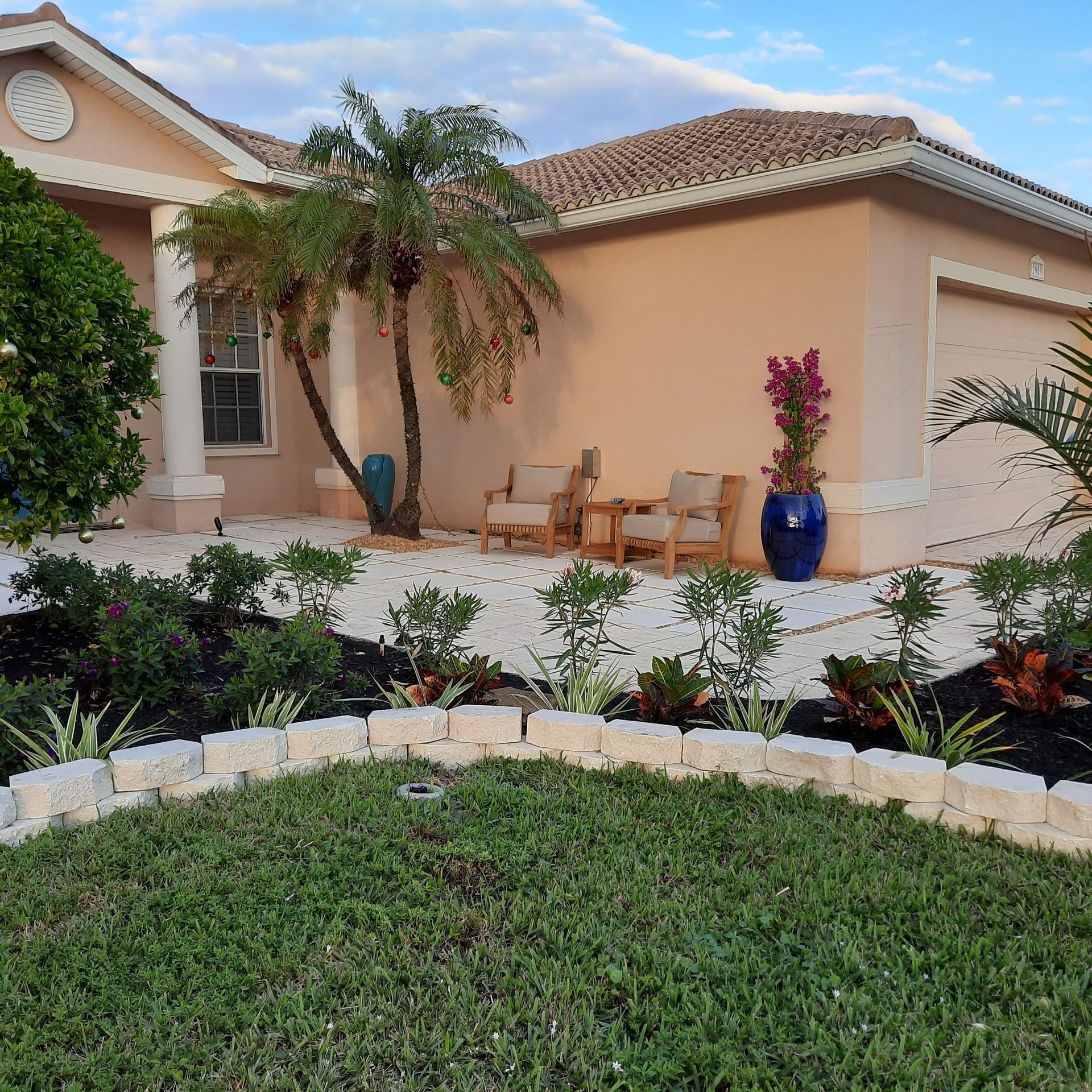



Best Cape Coral Plants for Pool Cage Shade
Cape Coral pool shade has to do more than look nice. The right plants soften the cage, add privacy, and stay calm enough to keep your pool area clean. They also need to handle full sun, sandy soil, heat, humidity, and the occasional salty breeze.
A bad plant choice crowds the screen, drops fruit into the water, or grows faster than the space around it. The best Cape Coral pool plants work like good landscaping should, they make the yard easier to enjoy and easier to maintain.
Plants that fit a screened pool area in Cape Coral
The strongest choices are shrubs and small trees that give filtered shade without turning into a cleanup problem. You want plants that hold their shape, take pruning well, and stay steady in coastal conditions.
If you're building a new bed or reworking an old one, professional landscape design and installation helps place taller plants where they can shade the cage and keep shorter shrubs where you still want open views.
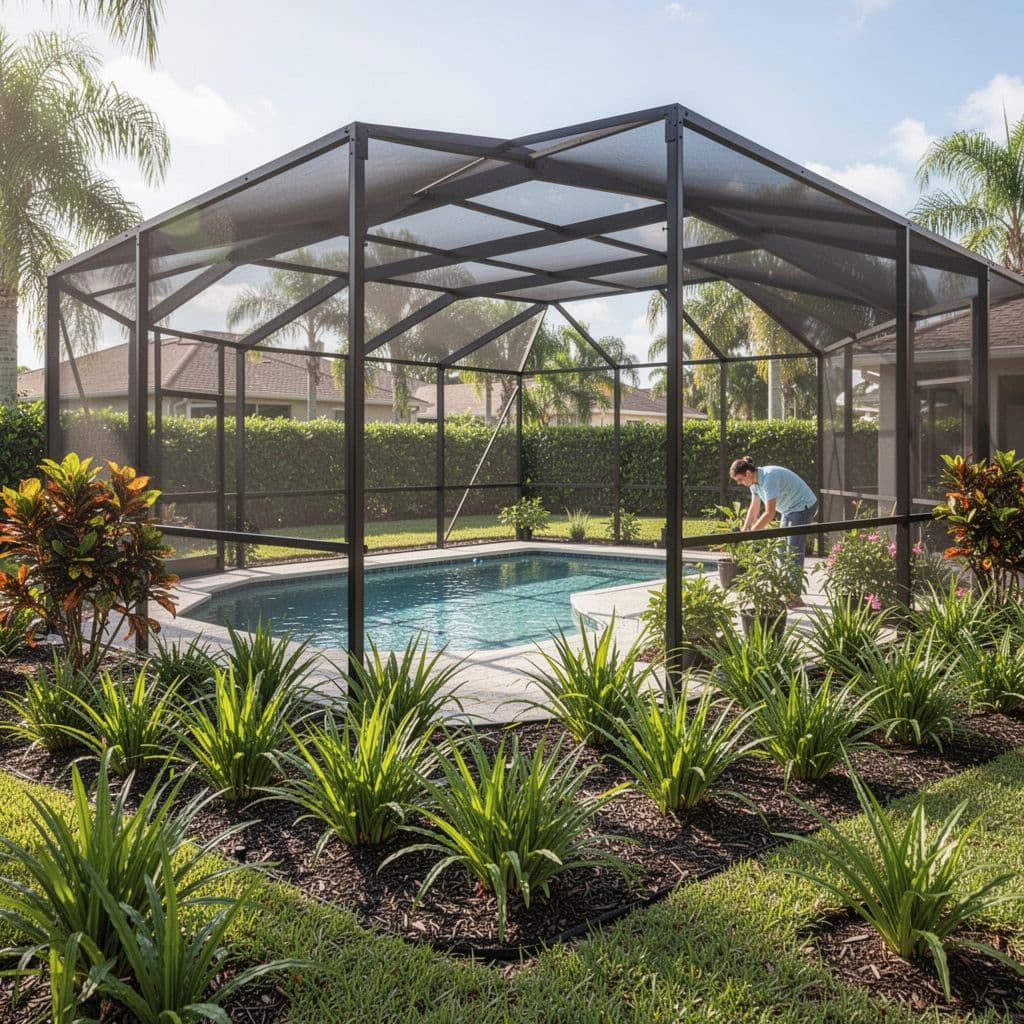
Here is a quick look at pool-friendly choices that do well in Southwest Florida.
| Plant | Typical mature size | Why it works near a pool cage | Maintenance level |
|---|---|---|---|
| Podocarpus | 10 to 20 feet tall, 4 to 8 feet wide | Dense screen, small leaves, easy to shape | Low to moderate |
| Dwarf clusia | 6 to 10 feet tall, 4 to 6 feet wide | Thick leaves, clean look, good privacy | Moderate |
| Areca palm | 12 to 20 feet tall, clumping spread 6 to 10 feet | Creates filtered shade without heavy bulk | Moderate |
| Yaupon holly | 8 to 15 feet tall, 6 to 10 feet wide | Small leaves, handles pruning, neat near patios | Low |
| Simpson's stopper | 8 to 12 feet tall, 6 to 8 feet wide | Native, compact, handles heat and salt well | Low to moderate |
| Silver buttonwood | 8 to 15 feet tall, 8 to 12 feet wide | Coastal tolerance and light canopy shade | Moderate |
Podocarpus gives the cleanest, most controlled screen. Clusia brings a lush look, but it needs pruning to stay tight. Areca palm is better when you want a softer resort feel and more filtered shade. Yaupon holly and Simpson's stopper work well in tighter beds, especially when you want a smaller footprint.
Silver buttonwood is a strong choice near saltier spots. It takes shaping well and gives a loose canopy that feels airy instead of heavy.
The main goal is simple, pick plants that fill the space without turning the pool edge into a chore. That is the kind of pool-friendly planting that stays useful year after year.
How far to plant them from the cage
Spacing matters as much as the plant itself. A shrub can look perfect at the nursery and still fail if it is jammed against the screen. Heat builds up, damp leaves press on the cage, and every small task gets harder.
Leave room for air and pruning. A crowded pool cage becomes a leaf trap fast.
As a rule, keep compact shrubs at least 3 feet from the screen. Medium shrubs do better at 5 to 6 feet. Small accent trees and palm clumps need 8 to 12 feet, depending on how wide they spread at maturity.
That extra room does three things. It keeps branches off the enclosure, gives roots space to settle, and leaves you a clear path for a blower, hose, or ladder. It also helps the cage dry out faster after rain, which matters in humid weather.
Think in layers instead of one tall wall. A back row of podocarpus or clusia, a middle row of yaupon holly, and a few palms at the corners can create privacy without boxing in the pool. The mix looks softer, and it usually needs less aggressive pruning.
If your deck already has pavers, leave enough open edge for paver cleaning and for sweeping up clippings after trimming. Clean joints and open airflow make the whole space feel better. If the border needs a cleaner finish, a concrete company can add a simple curb or repair a cracked apron before the planting goes in.
Watering and upkeep that fit Southwest Florida
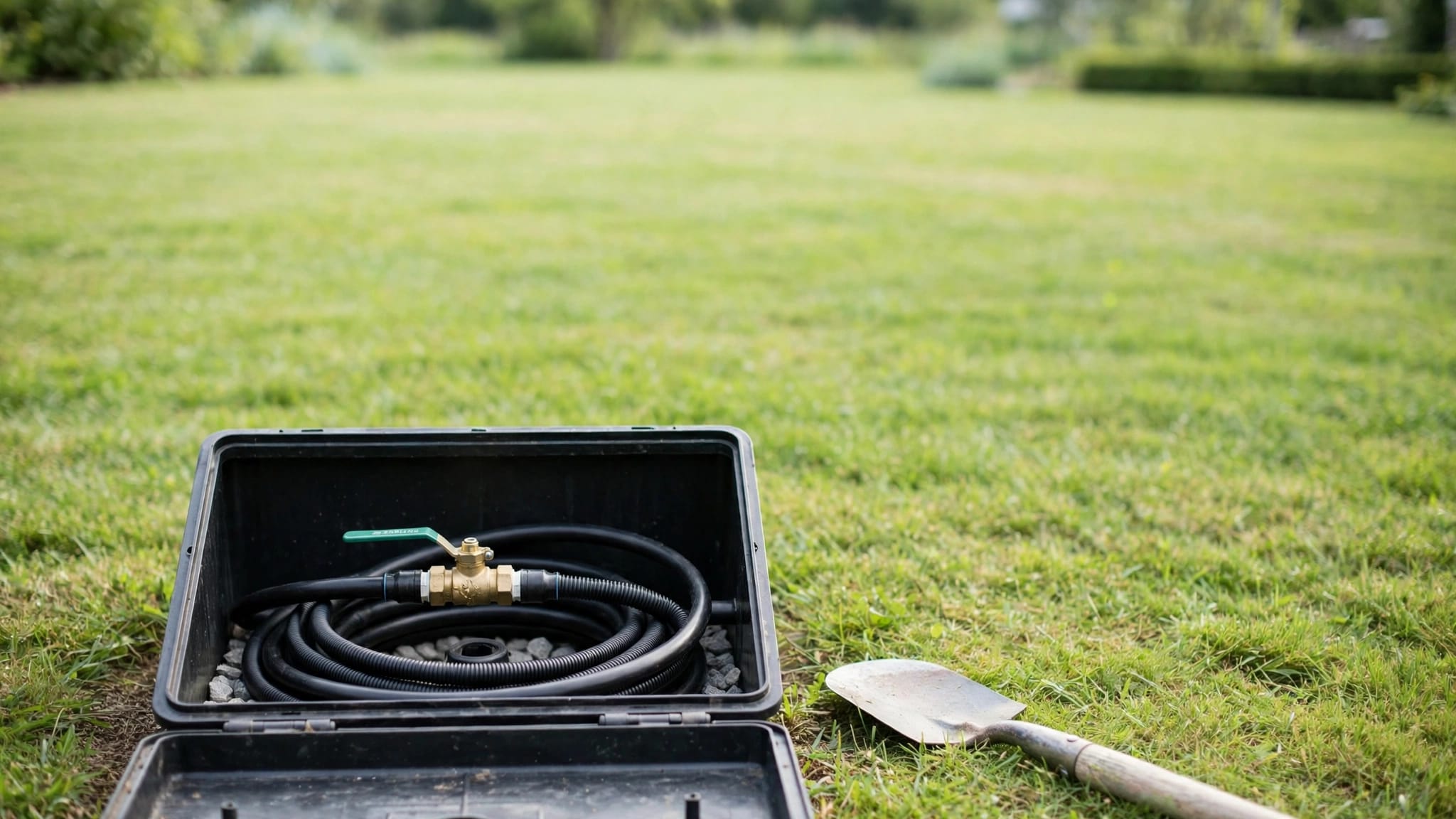
Cape Coral soil drains fast, so new plants need steady water at first. Drip irrigation works better than spray heads near a screened pool because it sends water to the roots and keeps overspray off the cage. A timer helps, but seasonal rain should still change the schedule.
Mulch helps hold moisture and slow weeds, but keep it a few inches back from stems. Two to three inches is enough. More than that can hold too much moisture around the base and invite problems you do not want near a pool.
During the first year, water deeply and let the soil dry a little between cycles. After that, most of these plants do better with less frequent, deeper watering. Shallow watering makes roots stay near the surface, and that is not good in hot weather.
Light pruning keeps the bed neat. Trim new growth before it reaches the screen, and remove dead fronds, berries, or spent blooms before they land in the pool. Small cuts are easier than letting a hedge run wild.
Some homeowners also use artifical turf along a narrow side strip so the area stays tidy without more mowing. That can work well near a pool cage, as long as drainage is handled properly and the edge stays easy to clean. A clean layout matters more than extra grass.
If the bed starts looking dusty or thin, the irrigation is often the first thing to check. Clogged emitters, overspray, and weak coverage can make healthy plants look stressed fast. Fix the water first, then judge the plant.
Common mistakes that make pool shade harder to manage
Most pool-shade problems start with scale. A plant can look modest in a pot and still take over the whole enclosure line in a few years.
- Oversized plants create the worst mess. Fast growers can turn into weekly pruning jobs and block the view you wanted to keep open.
- Heavy fruiting or flowering plants add cleanup. They may look great for part of the year, then drop debris into the pool and onto the deck.
- Aggressive roots can push into edging, paths, and utility lines. Keep those plants away from hardscape and tight corners.
- Brittle branches break more easily in summer storms. A windy week can turn a good-looking screen into a pile of yard debris.
Queen palms, big ficus, and many fruit trees often fall into those problem categories. They may work in a larger yard, but they are poor choices next to a screened pool. The same goes for shrubs that never seem to stop growing. If a plant needs constant cutting to stay in bounds, it does not belong in a tight enclosure.
The best Cape Coral pool plants are the ones that fit the space at maturity, not the day you bring them home. That simple rule saves a lot of work later.
Conclusion
The best shade plants around a pool cage in Cape Coral do a few jobs at once. They cool the space, protect privacy, and stay tidy enough that you are not chasing leaves every afternoon.
When you match the plant to the space, keep it far enough from the screen, and give it the right water, the whole pool area feels easier to live with. Good landscaping around a screened enclosure should look calm in August, not just in spring.