


Smart Irrigation Timers for Cape Coral Homes
A sprinkler timer can keep running after a heavy Florida storm, while another yard dries out during a hot, windy week. That is why smart irrigation timers for Cape Coral homes need more than a phone app and a colorful dashboard.
Cape Coral's sandy soil, intense sun, seasonal rainfall, and varied yard designs place different demands on each irrigation zone. The right controller adjusts watering without making your system difficult to operate. These are the features that matter, along with the extras that often do not.
Key Takeaways
- Weather-based scheduling, rain sensors, and reliable Wi-Fi provide the most practical benefits.
- Multi-zone control matters when turf, shrubs, palms, and planting beds need different watering.
- Flow monitoring can catch broken heads and underground leaks before they waste significant water.
- Confirm wiring, valves, pump controls, and sensor compatibility before replacing an existing timer.
- Voice controls, complex subscriptions, and unnecessary sensors may add cost without improving your yard.
Why Cape Coral yards need more than a basic timer
Cape Coral lawns can change quickly between wet and dry conditions. The rainy season brings frequent storms, but those storms rarely water every part of a property evenly. A covered side yard may stay dry while an open turf area receives more rain than it needs.
During the drier months, strong sun and wind can pull moisture from sandy soil quickly. Short, frequent watering often causes shallow roots, while long watering cycles can create runoff or send water below the root zone. A smart controller gives you more control over timing and adjustments, but it still needs a schedule built for your soil and plants.
Your property may also include several different watering needs. St. Augustine grass requires a different schedule than a bed of shrubs. Drip irrigation for palms or ornamentals shouldn't run like spray heads on a lawn. New sod needs close attention during establishment, while mature landscaping usually needs less frequent watering.
Local watering restrictions can also affect your schedule. Cape Coral homeowners should check the current city rules before choosing watering days and start times. A controller with restriction-friendly programming makes changes easier when local requirements or seasonal conditions shift.
Irrigation problems often appear after other outdoor work. A driveway project by a concrete company , a new walkway, or tree-root growth can damage pipes and move spray patterns. A timer can't fix a crushed line or a misaligned head, so the controller should be part of a complete irrigation check.
Features that earn their place on a smart timer
A useful controller should reduce guesswork without taking away basic control. The following features have a clear purpose for Cape Coral properties.
Weather-based watering adjustments
Weather-based scheduling uses local weather data and, in some systems, evapotranspiration estimates to adjust run times. When rain is predicted, the controller can reduce or skip watering. When hot, dry conditions increase water loss, it can add time within the limits you set.
This feature works best when the weather station or forecast source represents your area. A controller that uses distant or inaccurate weather data may make poor decisions. You should also be able to set seasonal limits, because no automated adjustment should turn a small change in temperature into excessive watering.
Weather adjustment is especially useful for homeowners who travel or don't want to reset the timer after every storm. Still, review the schedule after installing new sod, changing plant beds, or repairing drainage.
Rain and freeze sensors
A rain sensor provides a direct local reading at your property. It can stop irrigation when enough rain reaches the sensor, even if the app's forecast missed the storm.
Place the sensor where it receives open exposure but won't collect runoff from a roof or tree. A blocked, dirty, or poorly positioned sensor can skip watering when your lawn needs it.
Freeze protection has less day-to-day value in Cape Coral than rain detection. However, occasional cold snaps can affect exposed pipes, tropical plants, and irrigation components. A freeze sensor is useful if your property includes sensitive plants or vulnerable plumbing, but it shouldn't be the main reason to upgrade.
Reliable Wi-Fi and offline operation
A smart timer needs a stable connection where the controller is installed. Garage walls, concrete block, metal utility enclosures, and distance from the router can weaken Wi-Fi. Many controllers rely on a 2.4 GHz connection, so check your home network before buying.
The controller should continue running its programmed schedule if the internet drops. You should still have access to manual controls at the unit itself. That combination matters during router problems, power interruptions, or app outages.
A connection test at the irrigation box is more useful than a speed test inside the home. If the signal is weak, relocating the router or adding a properly placed mesh node may solve the problem.
Flow monitoring and leak alerts
Flow monitoring detects unusual water use, such as a broken sprinkler head, stuck valve, split pipe, or leak near the backflow device. Some systems measure flow through a dedicated sensor installed on the irrigation mainline.
This feature costs more because it often requires additional equipment and professional installation. It also needs accurate zone information to avoid false alarms. For a large property, a home with multiple irrigation zones, or a system supplied by a well pump, the warning can justify the extra cost.
A basic controller with no flow sensor cannot know that a valve opened but water never reached the lawn. If water loss would be expensive or difficult to notice, flow monitoring deserves serious consideration.
Manual controls and a usable app
The app should make common tasks fast. You should be able to pause irrigation, run one zone, change a start time, see the next cycle, and receive an alert when a schedule fails.
Manual controls on the timer still matter. A technician or homeowner shouldn't need a phone to run a zone during a repair or sprinkler-head adjustment. Avoid controllers that hide simple functions behind several screens.
A smart timer should make ordinary irrigation tasks easier, not turn a five-minute adjustment into a troubleshooting session.
Multi-zone control and existing system compatibility
Before comparing apps, count your zones and identify what each zone waters. A typical Cape Coral property may have separate zones for front turf, backyard turf, shrubs, palms, side yards, and drip beds. Each zone needs its own run time and frequency.
Multi-zone support becomes more important as your landscaping grows. A controller with too few stations may force two different areas onto one schedule. That can leave one section overwatered while another stays dry.
Compatibility starts with the wiring. Most residential irrigation controllers use low-voltage wiring and 24-volt AC valve systems, but the installation still needs a proper check. Confirm the number of valve wires, common wire condition, master valve connection, pump-start relay, and rain-sensor terminals.
Pump systems require extra care. A controller must work with the pump-start relay and the electrical setup that activates the pump. Incorrect wiring can damage equipment or create a safety problem. Homes using wells, reclaimed water, or other dedicated irrigation supplies may also have components that need to remain in the correct sequence.
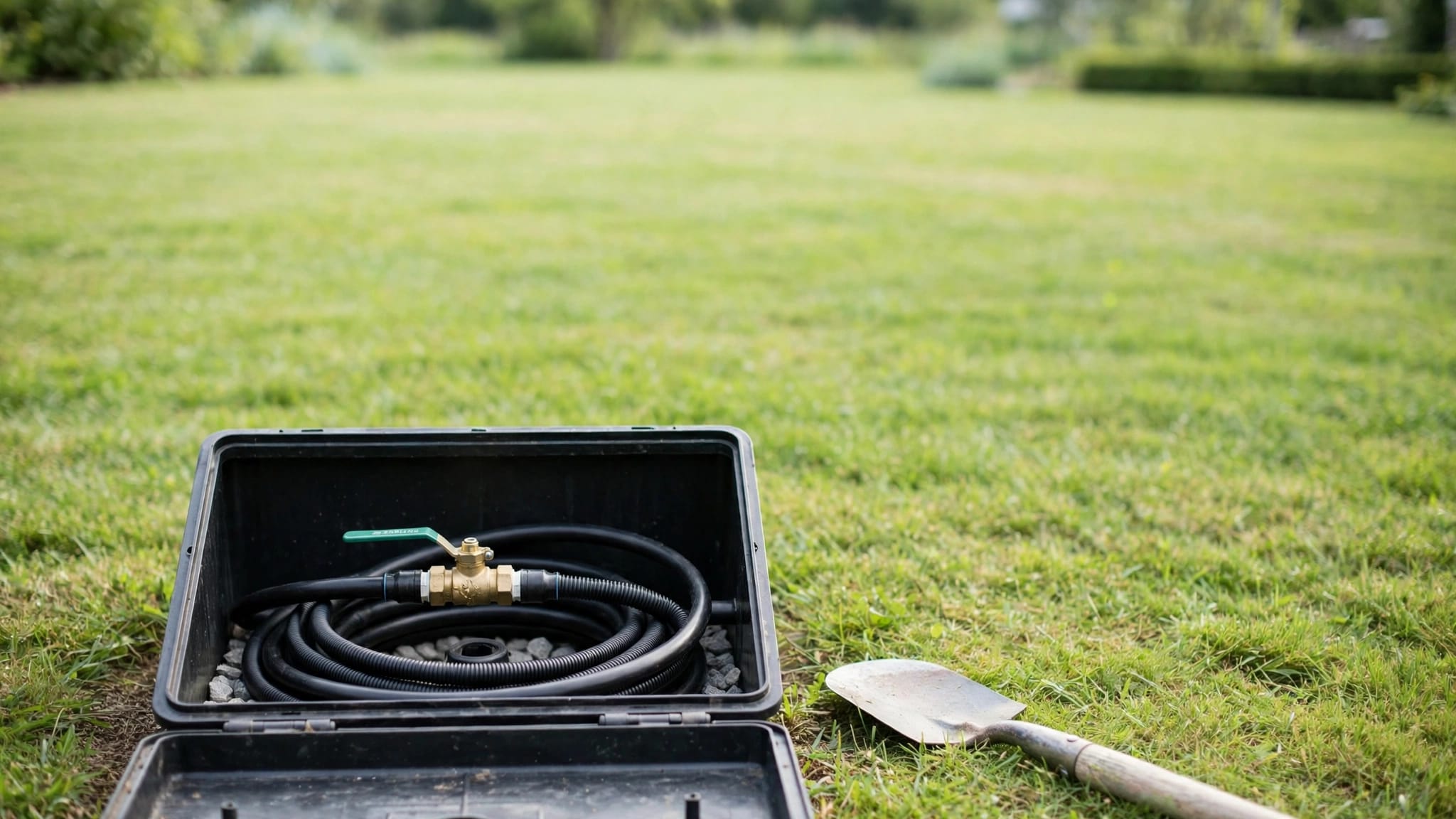
The valve boxes and wiring should be inspected before installation. Corroded wire connections, damaged splices, clogged filters, and weak valves can cause failures that look like timer problems.
If a new patio, walkway, or driveway crosses an irrigation line, repair the pipe before programming the controller. The same applies after paver cleaning , sealing, grading work, or drainage installation. Water that once reached a planting bed may spray onto a new hardscape surface instead.
Smart features that may not justify the price
Some functions sound impressive but offer little value for a typical Cape Coral home. Voice control is convenient, but most homeowners rarely need to start a sprinkler zone by voice. A clear app and physical controls are more useful.
Soil-moisture sensors can help in selected planting beds, yet they aren't automatic solutions. Sandy soil, uneven sensor placement, mulch, and different plant roots can produce readings that don't represent the whole zone. A weather-based controller paired with a properly placed rain sensor is often easier to manage.
Cellular backup may make sense for a large estate, rental property, or location with unreliable internet. For many homes, it adds a recurring cost without solving a frequent problem. Premium analytics also deserve scrutiny if the controller doesn't provide practical alerts or useful water records.
Subscriptions can change the cost of ownership. Check which features work without a monthly fee, including scheduling, manual operation, weather adjustments, and notifications. A controller that becomes limited after a trial period may not be a good long-term choice.
Artificial grass has different irrigation needs. If you're replacing turf with artificial grass, sometimes searched as "artifical turf" , remove or repurpose that zone instead of continuing to water it. Nearby trees and planting beds may still need irrigation, but the synthetic surface doesn't require lawn watering.
Build a schedule around your property
Start with the irrigation system, not the app. Run every zone and look for clogged heads, broken risers, overspray, pooling, and dry patches. Check that spray heads cover the intended area without soaking walls, driveways, or sidewalks.
Next, group zones by plant type and irrigation method. Turf zones usually need a different cycle than drip lines. New sod needs closer monitoring during establishment, while established shrubs and trees may need deeper, less frequent watering.
Use cycle-and-soak programming when water runs off sloped or compacted areas. Instead of applying the full run time at once, split it into shorter cycles with a pause between them. The pause lets water move into the soil rather than across the surface.
Set a conservative schedule first, then inspect the yard. Look at the soil below the surface, not only the color of the grass. Adjust one zone at a time so you can identify which change helped.
Seasonal adjustments should reflect Cape Coral's weather and your property's shade, soil, and plant choices. A shaded yard may need less water than a sunny yard next door. Areas beside walls or concrete can also heat up faster and dry sooner.
When installing new landscaping, update the controller after the work is complete. A bed converted to drought-tolerant plants shouldn't keep its old turf schedule. Likewise, a new drainage feature may change where water collects and how long a zone should run.
Conclusion
The best smart irrigation timer for a Cape Coral home is the one that matches the property, wiring, water source, and maintenance habits. Reliable Wi-Fi, weather adjustments, rain sensing, multi-zone scheduling, manual access, and useful leak alerts matter more than a long list of app features.
Before replacing your controller, inspect the valves, wiring, pump controls, sensor connections, and spray coverage. A well-matched timer can prevent waste, but good landscaping still depends on a healthy irrigation system and a schedule built for the yard.