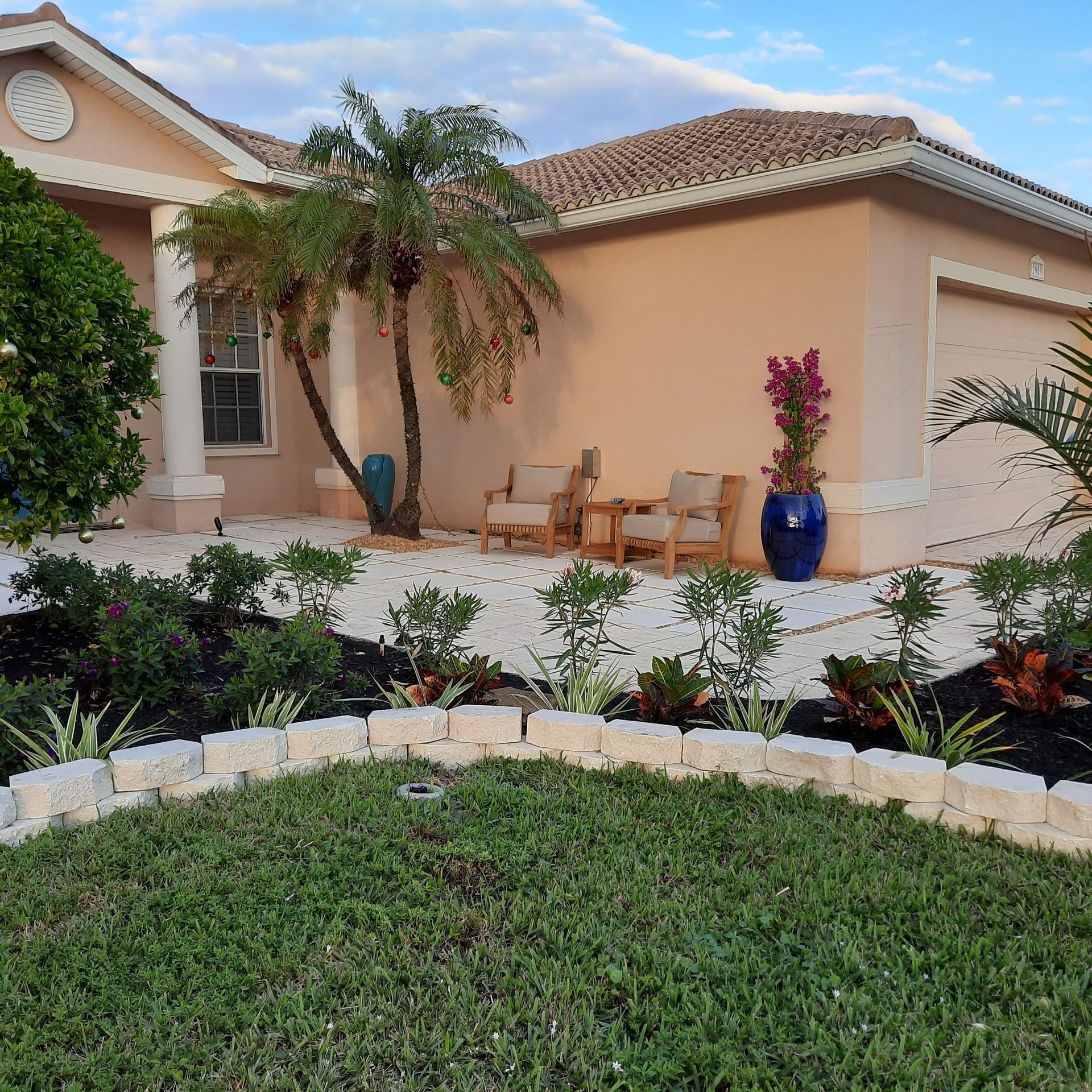



Best Cape Coral Plants for Reclaimed Water Irrigation
Reclaimed water can keep a Cape Coral yard green, but it changes the plant list fast. The best reclaimed water plants are the ones that can handle heat, a little salt, and uneven watering without falling apart.
If your yard already relies on reclaimed irrigation, the right plants save time and money. They also make landscaping easier to keep clean around pavers, patios, and concrete edges.
The trick is simple, choose plants that match the water source, not the other way around.
How reclaimed water changes the planting game in Cape Coral
Reclaimed water is treated wastewater, and it works well for many Florida yards. Still, it often carries more dissolved salts than fresh water. Over time, those salts can build up in the top layer of soil.
When that happens, roots work harder to pull in water. Leaves may show brown edges, pale spots, or a dry, scorched look. Young plants feel it first, because their root systems are small.
Heat makes the problem worse. So does wind, sandy soil, and overhead spray that hits the leaves.
Brown leaf tips often point to salt stress, not a need for more fertilizer.
A smart planting plan gives each bed the right plant, the right mulch depth, and the right watering pattern.
Florida-friendly plants that handle reclaimed water well
If you're starting from scratch, expert landscape design for Cape Coral properties helps place the right plant in the right sun. That matters because even tough plants struggle in the wrong spot.
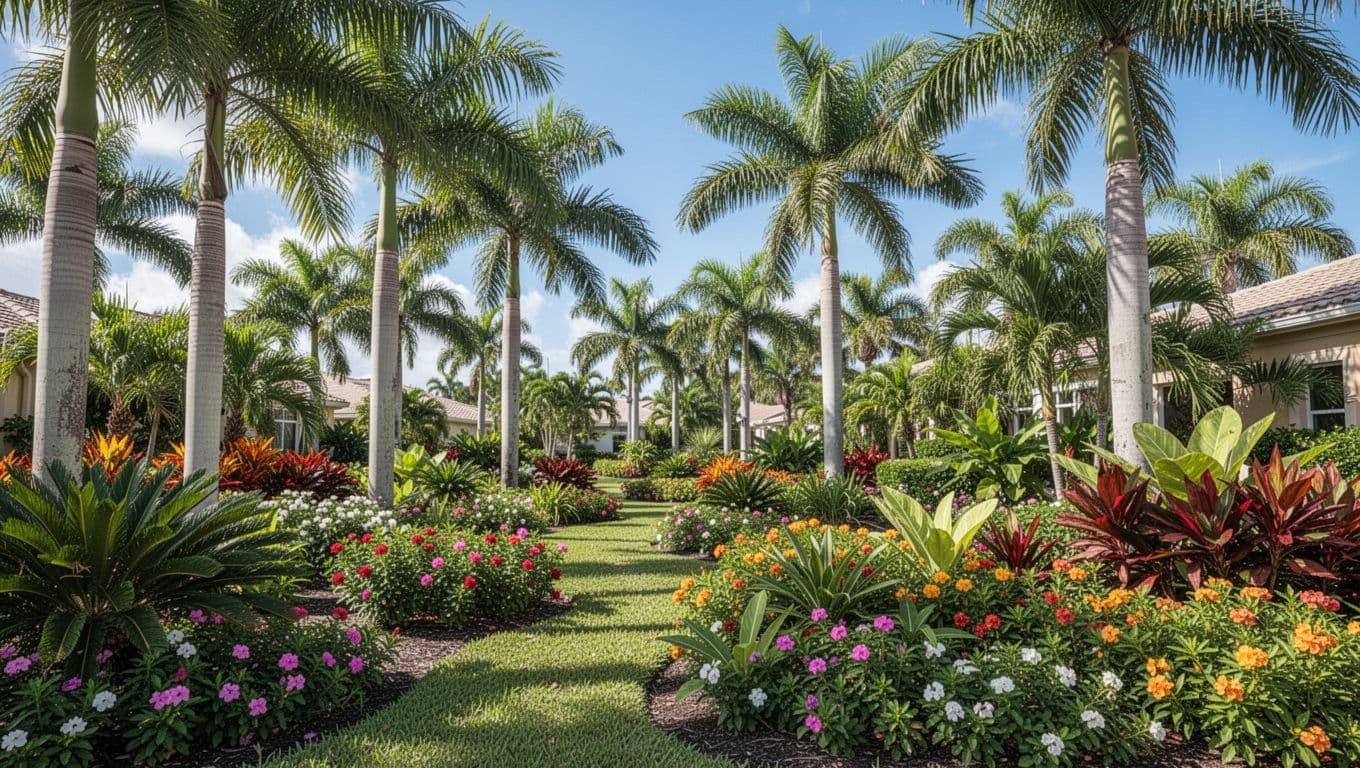
Here's a quick look at plant groups that usually do well with reclaimed water.
| Plant group | Good examples | Why it works with reclaimed water | Care tip |
|---|---|---|---|
| Shrubs | cocoplum, Simpson's stopper, firebush | strong roots, heat tolerance, good hedge structure | mulch lightly and water deeply while young |
| Grasses and groundcovers | muhly grass, perennial peanut, coontie | cover soil fast and handle hot beds | trim at the right season, don't overfeed |
| Flowers | lantana, pentas, gaillardia, hibiscus | keep color in sunny beds | plant in well-drained spots and water at the base |
| Palms | sabal palm, paurotis palm | fit South Florida heat and wind | keep the crown clean and avoid piled mulch |
The pattern is clear. The most dependable reclaimed water plants are tough, rooted well, and low on drama once established.
Shrubs that hold up in heat and salt
Cocoplum, Simpson's stopper, and firebush are dependable choices for many Cape Coral beds. They handle heat well, and they settle in nicely once roots spread. Cocoplum works for a loose hedge, while Simpson's stopper gives a neat, clean look. Firebush adds color and feeds pollinators.
Plant shrubs with room to grow, because cramped beds trap moisture and stress roots. Use a 2- to 3-inch mulch layer, but keep it off the stems. During the first year, water deeply and less often so roots go down, not sideways.
Once the plants settle, pay attention to leaf edges. If they start to brown, shift the spray and flush the soil with a long, slow watering from fresh rain or a hose when possible. Cocoplum can also handle light shaping, which helps it fit tighter front-yard spaces.
Grasses and groundcovers that knit soil together
Ornamental grasses and spreading groundcovers are great for reclaimed water yards because they cover soil fast. Muhly grass brings texture and soft pink blooms. Perennial peanut is one of the best low-care groundcovers for sunny spots. Coontie is slower, but it stays tidy and tough.
These plants help in places where irrigation hits unevenly. They also hide the dry look that can show up near driveways and sidewalks. In addition, they reduce weed pressure and cut down on bare soil that bakes in the afternoon sun.
Perennial peanut is a smart choice near open sun because it stays low and can handle foot traffic better than many ornamentals. That makes it useful along drive edges, between larger shrubs, or in beds where mowing would be awkward.
Keep grasses and groundcovers in full sun or bright shade, depending on the plant. Shear or trim grasses at the right season, and don't overfeed them. Too much fertilizer can create floppy growth and more salt stress.
Flowering plants that add color without much fuss
Pentas, lantana, gaillardia, and hibiscus are useful when you want color through the hot months. They like sun, and they usually perform better once they are settled into a bed with good drainage. Lantana and gaillardia are especially handy in hot, dry spots. Hibiscus wants a little more water, but it can still work if the root zone is healthy.
Pentas and lantana bring steady color with fewer headaches than tender annuals. They still need a good start, because young roots are the weak point. A little shade in the hottest part of the day can also help newly planted flowers settle in.
For flowering plants, the secret is simple. Water at the base, not over the top. That keeps leaf burn down and helps salts move away from the leaves. Deadhead spent blooms, prune lightly, and remove weak stems before they take energy from the plant.
If a bed gets blasted by reflected heat from concrete, choose the tougher flowers first. They handle the stress better than soft annuals.
Palms and accent plants for structure
Sabal palms are one of the safest bets in Southwest Florida. They handle heat, wind, and coastal conditions better than many high-maintenance trees. Paurotis palms can also work when the soil drains well and the planting area has space.
Palms need the crown left clean and dry. Don't pile mulch against the trunk, and don't bury the root flare. Reclaimed water can leave mineral residue, so keep an eye on leaf color. Yellowing can mean nutrient trouble, salt stress, or both.
A slow-release palm fertilizer can help, but don't overdo it. Strong growth comes from balance, not constant feeding. In mixed beds, a few palms can create height without adding much cleanup, and that helps a yard feel finished fast.
Plants that usually struggle with reclaimed water
Some plants never look happy under reclaimed irrigation, even with good care. Many edible plants fall in this group, especially leafy greens, tender herbs, beans, and strawberries. They often prefer cleaner water and very even moisture.
Salt-sensitive ornamentals can also struggle. Impatiens, many ferns, and caladiums may show burn or weak growth if salts build up. New seedlings are the most vulnerable of all.
That doesn't mean you can't grow them. It does mean they do better in containers, raised beds, or a separate fresh-water zone.
A narrow side yard may be better with mulch, shell, or even artifical turf if the light is poor and the spray is harsh. The same idea applies to hardscape areas. If you already hired a concrete company for a patio or walk, keep planting beds far enough away that water can drain instead of pooling at the edge. Regular paver cleaning also helps remove residue where spray hits stone.
Care habits that make reclaimed-water beds last longer
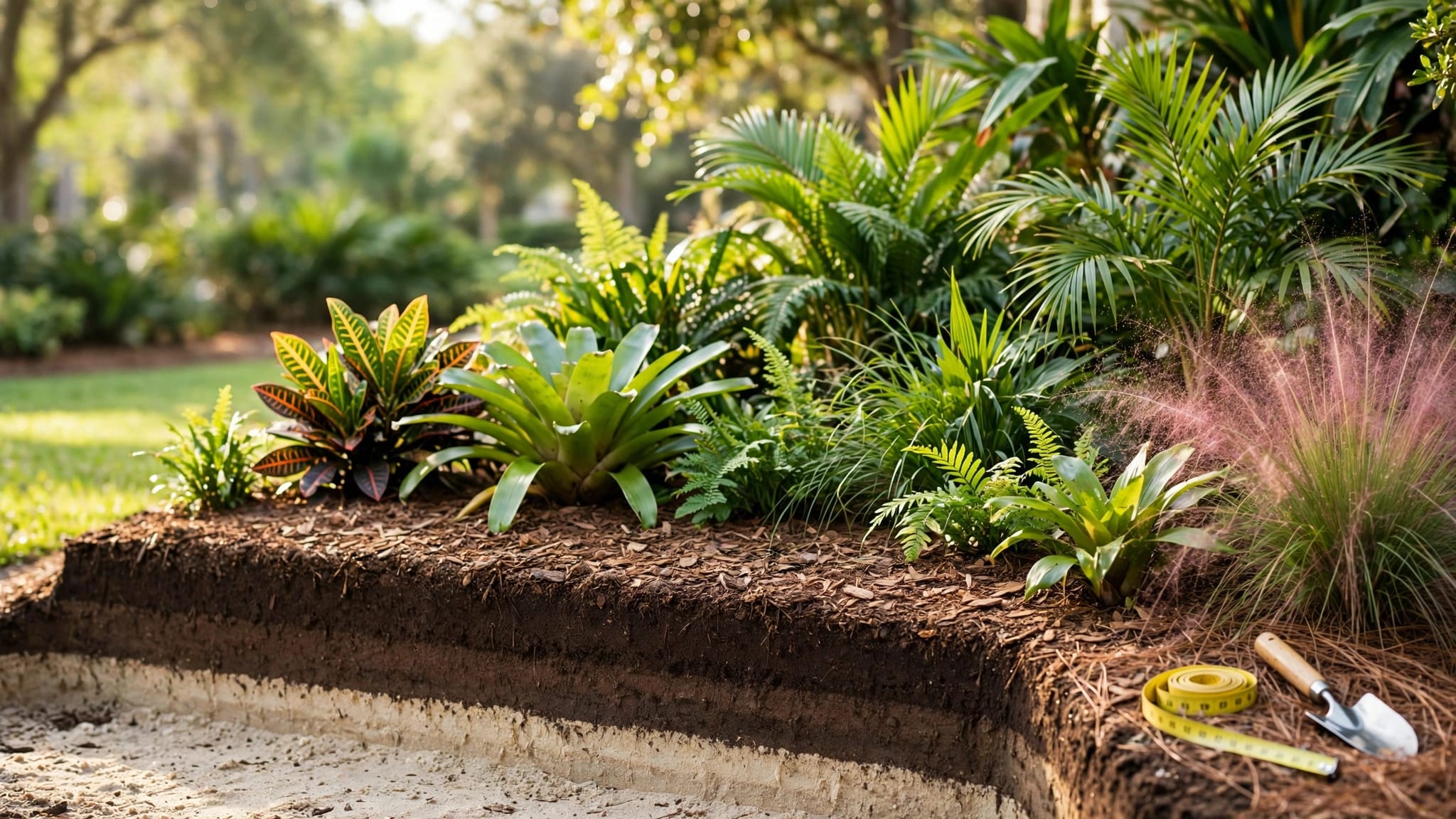
Choosing the right plants is half the job. The rest comes from how you install and maintain them. Start with healthy soil that drains well. Sandy Cape Coral soil often needs compost or organic matter in planting holes, plus mulch to slow evaporation.
Water deeply and less often after plants settle in. That trains roots to grow down. It also helps flush salts below the root zone. Shallow, frequent watering keeps salts near the surface.
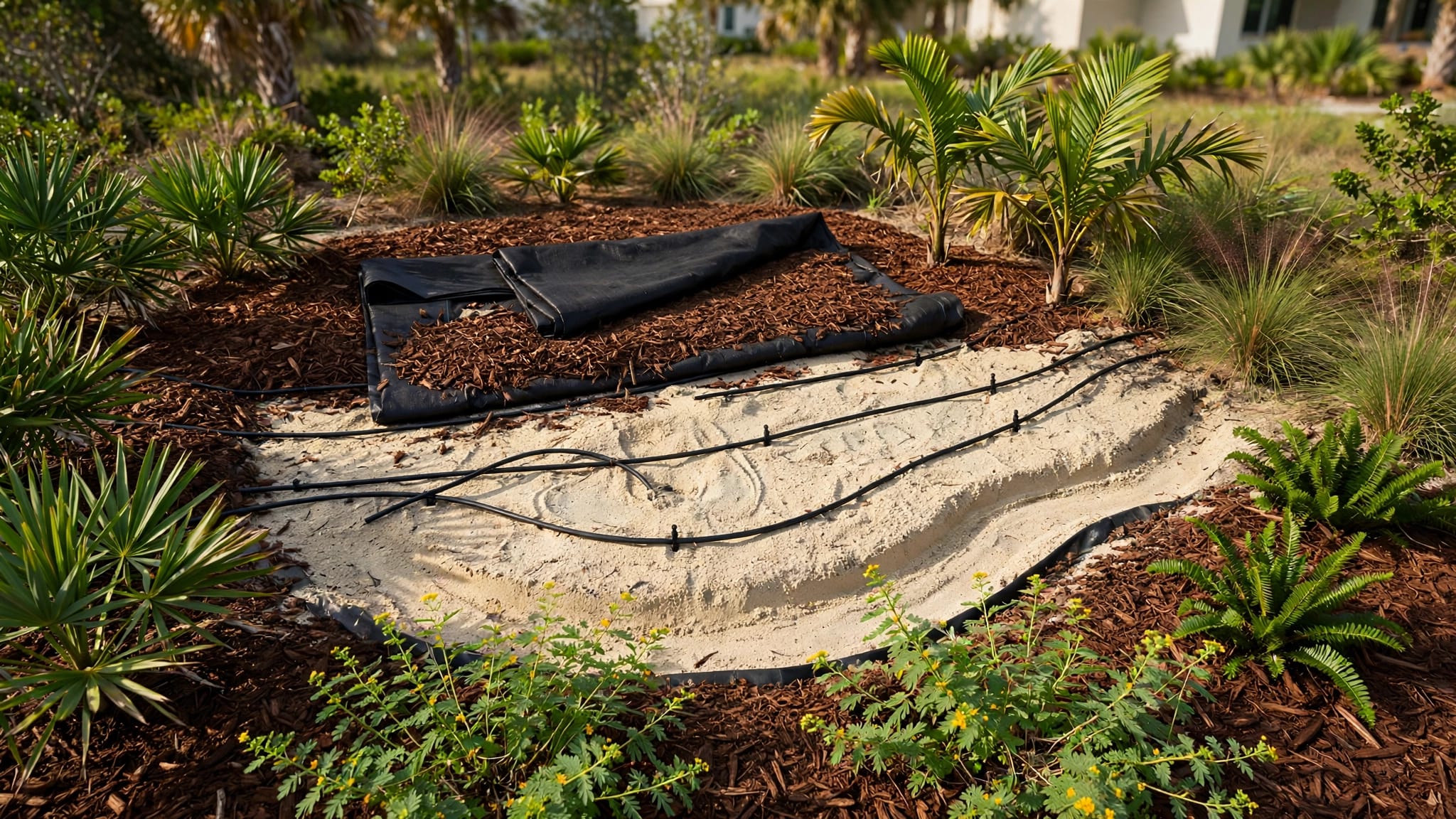
Try to keep reclaimed water off leaves when possible. Drip lines and micro-sprays are better than broad overhead spray for many beds. If you see crusty soil, burnt tips, or stalled growth, inspect the irrigation pattern first.
When plant beds sit beside patios, drains, or walkways, a full service landscaping and irrigation repair plan can keep the whole yard working together. That matters more than people think, because water problems often start where plant beds meet hardscape.
Do not feed stressed plants heavily. Extra fertilizer can make salt buildup worse. Instead, prune lightly, refresh mulch each season, and watch new growth for improvement. A clean bed, a good watering pattern, and the right plant choice do more than extra products ever will.
Conclusion
The best Cape Coral plants for reclaimed water irrigation are the ones that can handle heat, salt, and a little neglect after establishment. Shrubs like cocoplum and firebush, grasses like muhly, and sturdy palms like sabal palm give you a stronger start.
At the same time, many edible plants and salt-sensitive ornamentals need a different water source or a protected spot. If you match the plant to the water, leaf burn drops and the yard holds its color longer.
That fit matters in a place where sun, spray, pavers, and concrete all share the same space. When the planting plan matches the irrigation plan, the yard stops fighting back.