


Best Cape Coral Plants for Canal Bank Erosion Control
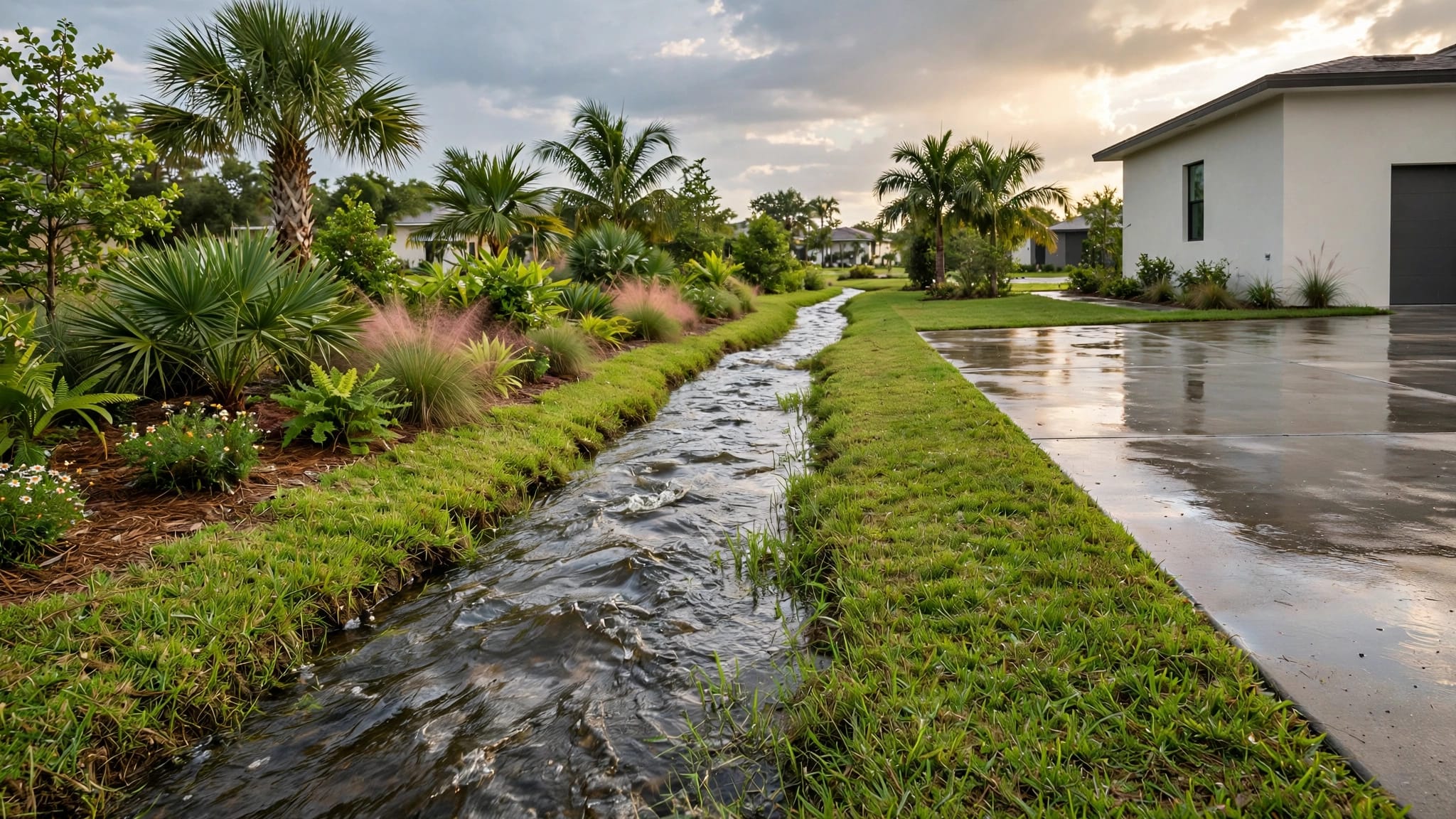
Cape Coral canal banks can wash out faster than many homeowners expect. Heavy rain, boat wake, and loose sand all push the slope in the wrong direction.
That is why the right canal bank erosion plants matter. Good choices hold soil, soften the edge, and still fit a clean, low-maintenance yard.
Good landscaping near a canal should look nice and work hard. The plants below do both, with a focus on Florida-friendly, non-invasive options that handle heat, salt, and sun.
What makes a canal bank plant work
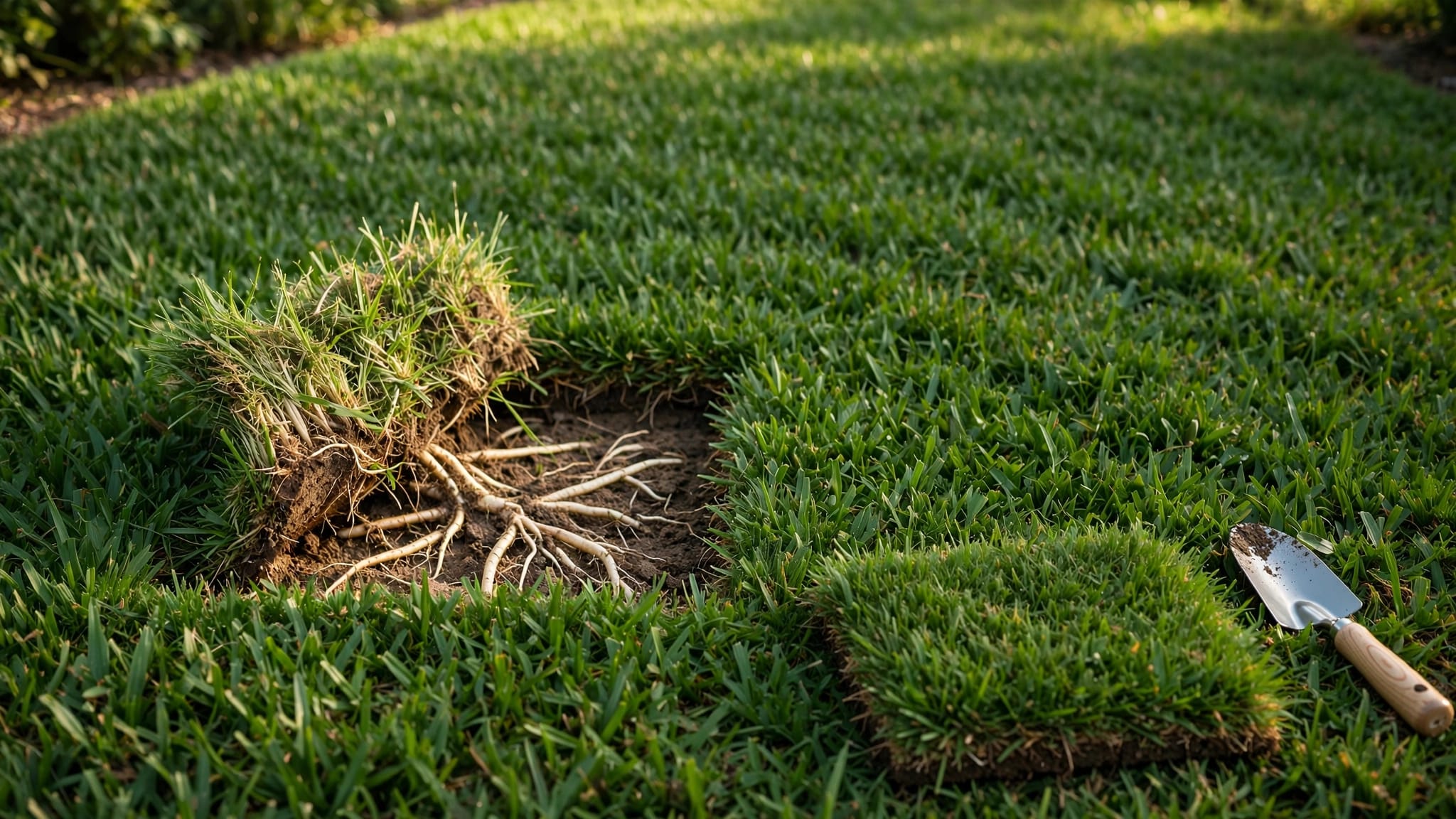
A plant helps a slope only if its roots can grab the soil and stay there. On a Cape Coral bank, that usually means clumping grasses, sturdy shrubs, and groundcovers that spread in a controlled way.
| Trait | What works on a canal bank | Why it matters |
|---|---|---|
| Fibrous roots | Clumping grasses and shrubs | They bind loose sand and slow runoff |
| Controlled spread | Dense but tidy growth | They cover soil without taking over |
| Heat and salt tolerance | Florida natives and coastal plants | They keep growing in Cape Coral weather |
| Easy upkeep | Light pruning and simple cleanup | Less disturbance to the bank |
Roots hold more soil than mulch ever will, especially after the first summer storm.
Cape Coral yards also need plants that fit the water level. A bank that gets splash, sun, and fast drainage needs a different mix than a shady yard near a patio.
The best Cape Coral plants for canal bank erosion control
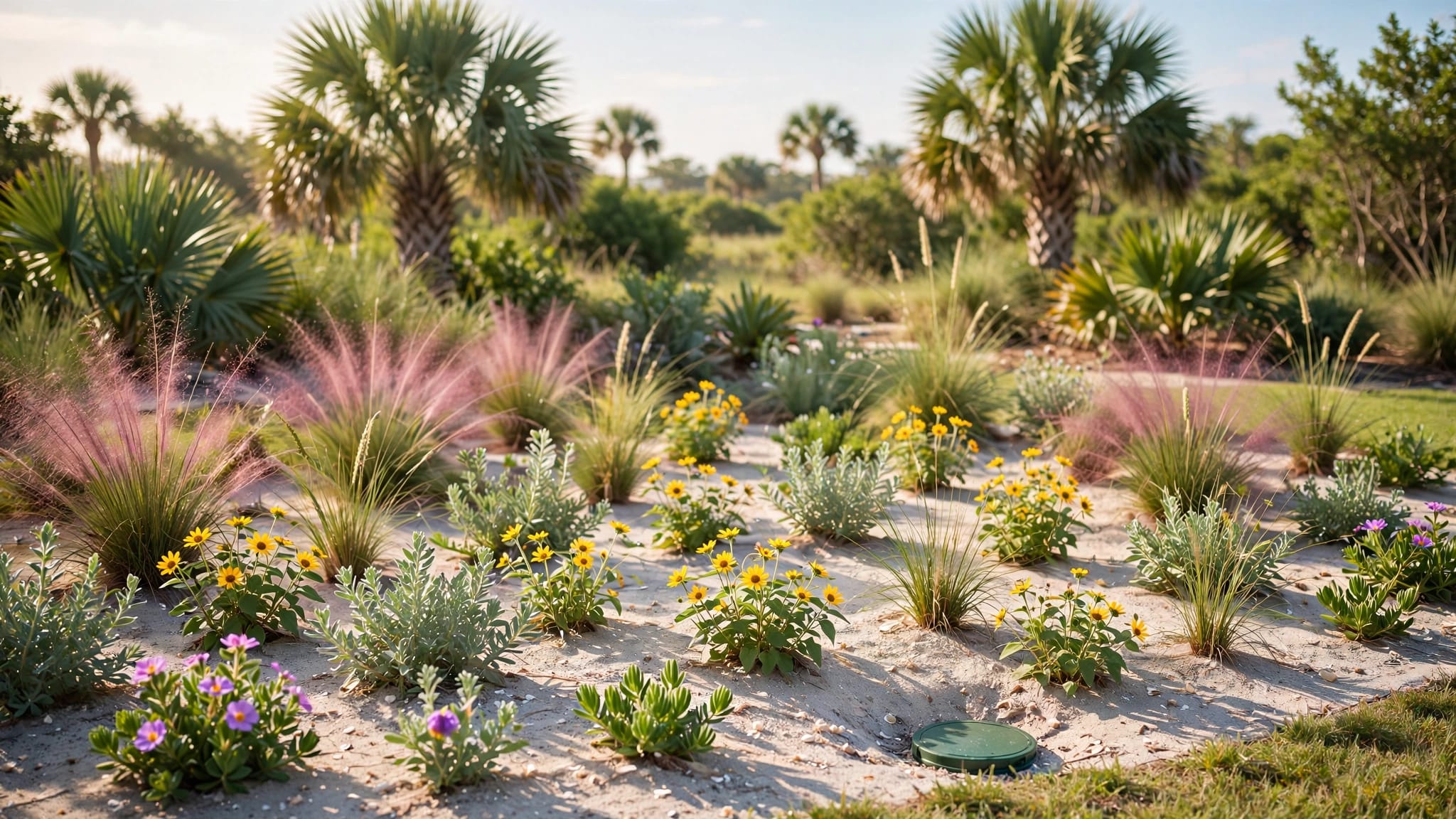
A healthy bank usually looks layered, not flat. Taller plants go higher up, grasses fill the middle, and low plants cover open spots.
Gulf muhly
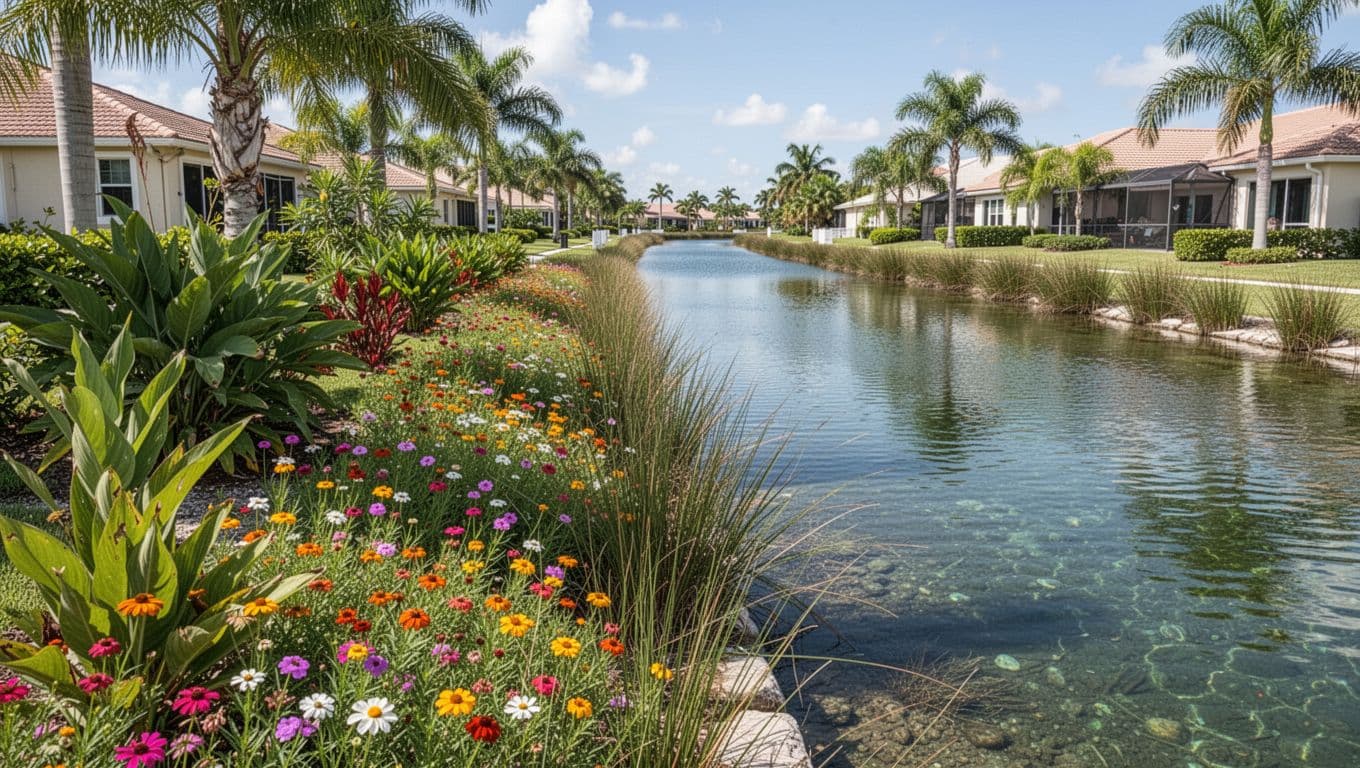
Gulf muhly is a native clumping grass that fits Cape Coral yards well. Its fine roots form a tight mat that helps hold sandy soil in place, and its airy shape keeps the bank from looking heavy or closed in.
Put it on the upper third of the slope or along a dry edge where runoff passes fast. It wants full sun, handles drought after it settles, and tolerates salt spray better than many ornamental grasses. Cut it back in late winter, then let new growth fill in again.
Fakahatchee grass
Fakahatchee grass is a bold native grass with thick, fibrous roots that grip soil well. It gives a bank more body than a small filler plant, so it works well on broader slopes and corners that need coverage.
Place it on the mid-slope or upper bank where it gets sun to light shade. Water it more often during the first season, then reduce care once it settles. It takes heat and some salt, which helps on exposed canal lots. A yearly cleanup keeps it neat without disturbing the root zone.
Dune sunflower
Dune sunflower is a bright native groundcover that spreads fast enough to help cover bare soil before rain can move it. Its roots stay near the surface, which makes it useful for stopping the top layer of sand from sliding.
Use it near the top and middle of a sunny bank, where it can drape over open spots and soften a hard edge. It likes full sun, handles dry spells, and takes salt spray well. Trim it lightly after flowering so it stays tidy and does not sprawl too far.
Firebush
Firebush is a native shrub that adds color and soil hold at the same time. It has a denser root zone than many flowering plants, so it helps anchor loose ground better than shallow ornamentals.
Place it in the middle of the bank or just above it, where it gets sun and room to grow. It needs regular water in the first year, then becomes much easier to manage. Firebush handles Cape Coral heat and some salt exposure. A light prune after bloom keeps the shape balanced and opens the plant to airflow.
Simpson's stopper
Simpson's stopper is a native evergreen shrub with a strong root system and a clean, tidy look. It works well on the upper bank or back edge of a sloped bed, where it can screen views and help hold the soil at the same time.
Give it sun or part shade, and let it settle into the site before pruning much. It handles short dry periods and coastal conditions better than many shrubs. Once it roots in, light shaping is enough. That makes it a strong choice for low-maintenance landscaping near a canal.
Buttonwood
Buttonwood is one of the toughest native shrubs for wind, salt, and exposed edges. On canal properties, it works best near the upper shoreline or in a sunny spot that gets strong reflected heat.
Its roots help stitch loose soil together, and its broad form keeps the bank from looking empty. Give it room, because it can grow wide over time. Water it well while it establishes, then prune only to shape. If your lot gets extra salt spray or strong wind, buttonwood is a smart pick.
Coontie
Coontie is a low native plant that brings texture without blocking views. It belongs on the upper bank, especially where the site has part shade or filtered light.
The roots grow slowly, but they form a tough base that helps hold soil in place. Coontie handles drought well and accepts salt better than many shade plants. Keep mulch light, avoid rich fertilizer, and remove tired fronds now and then. It is one of the easiest plants to keep looking neat.
How to build a stronger bank with plants and hardscape
A canal bank usually lasts longer when the whole edge is planned together. If the slope keeps slumping, plants alone will not fix it.
If you need regrading or a new layout, what to expect during landscape installation gives a clear picture of the prep work before plants go in. That matters because soil prep, drainage, and plant placement all affect how well the bank holds.
Hardscape also needs room to breathe. If a concrete company is pouring a border or cap, keep plant beds back from the edge so roots do not press against fresh joints. The same idea helps with pavers, where routine paver cleaning makes it easier to spot washout, loose sand, and low spots before they spread.
A strip of artifical turf may look neat near a patio, but it does nothing to hold the slope. It can also trap heat and hide problems until they get worse. Plants, on the other hand, show you what the bank is doing.
If you want the planting strip, drainage, and edges to work as one plan, professional landscape design and installation services can help shape the space before the first plant goes in.
A simple planting order for a steadier slope
The easiest way to plant a canal bank is to think in layers.
- Start with shrubs and grasses on the upper bank, where the soil is driest and easiest to hold.
- Fill the middle slope with plants like firebush, Fakahatchee grass, or dune sunflower, so rain hits roots instead of bare sand.
- Leave the lowest planted edge for tougher spots only if the area stays above regular water and splash.
After planting, water deeply during dry spells until roots settle. Then reduce watering so the plants learn to stand on their own. Mulch helps, but keep it thin. Too much mulch can slide right off a slope.
For the cleanest result, aim for a mix that covers the soil without crowding each plant. That balance gives you a bank that looks finished and stays easier to care for.
Conclusion
Cape Coral canal banks need more than pretty plants. They need roots that can hold sand, handle heat, and take on salt, wind, and runoff.
The strongest choices are usually native grasses, shrubs, and low groundcovers that fit the slope instead of fighting it. Pick the right plant for the right spot, and the bank will do a lot less washing away after storms.