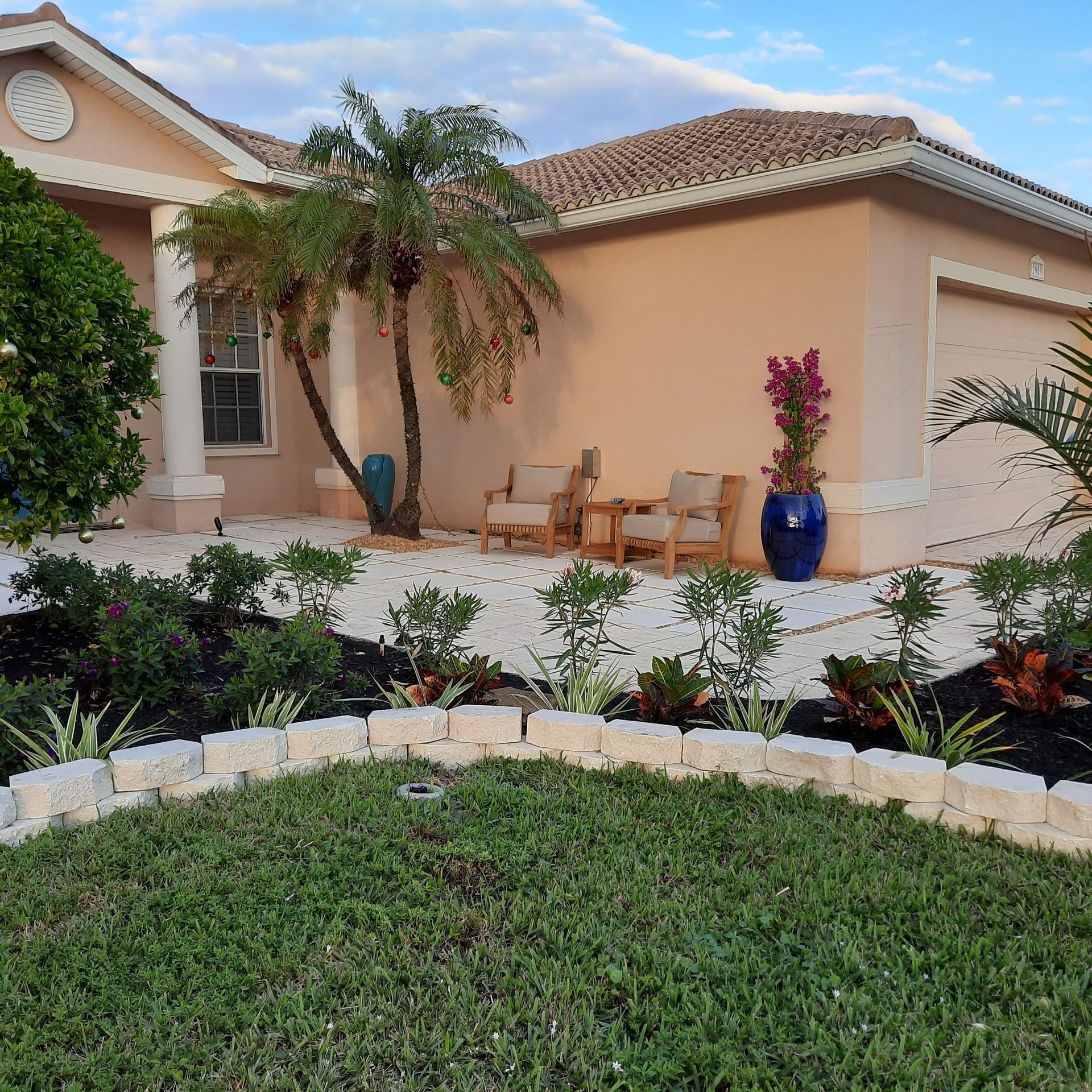



Best Cape Coral Driveway Plants That Won't Scratch Cars
A driveway border should look soft and tidy, not like a gauntlet for your car doors. In Cape Coral, the best plant choices stay low, stay calm in the wind, and don't throw thorns, seeds, or stiff stems into the parking lane.
The right Cape Coral driveway plants can make a front yard feel finished without turning every trip home into a trim job. Pick the wrong ones, though, and you'll spend weekends clipping branches, sweeping litter, and worrying about paint marks.
Good landscaping near a driveway starts with plants that fit the space and respect the path of a car. That means soft textures, controlled growth, and a layout that stays clear even after a rainy season.
What makes a driveway-edge plant safe in Cape Coral?
The safest plants near a driveway share a few traits. They have soft leaves , rounded growth, and stems that bend instead of jab. They also stay within a size you can manage without constant shearing.
Cape Coral heat changes the rules. Plants near concrete get reflected sun, extra salt in some neighborhoods, and splash from irrigation. That means the best choices are tough enough for Southwest Florida but calm enough to sit beside a car.
If you're redesigning the whole front entry, professional landscape design and installation can line up plant size, drainage, and edging so the border works as one piece.
If a plant brushes your hand, it can brush a car door too.
A useful test is simple, walk past the plant with a grocery bag or jacket sleeve. If it catches, the car will probably catch it too.
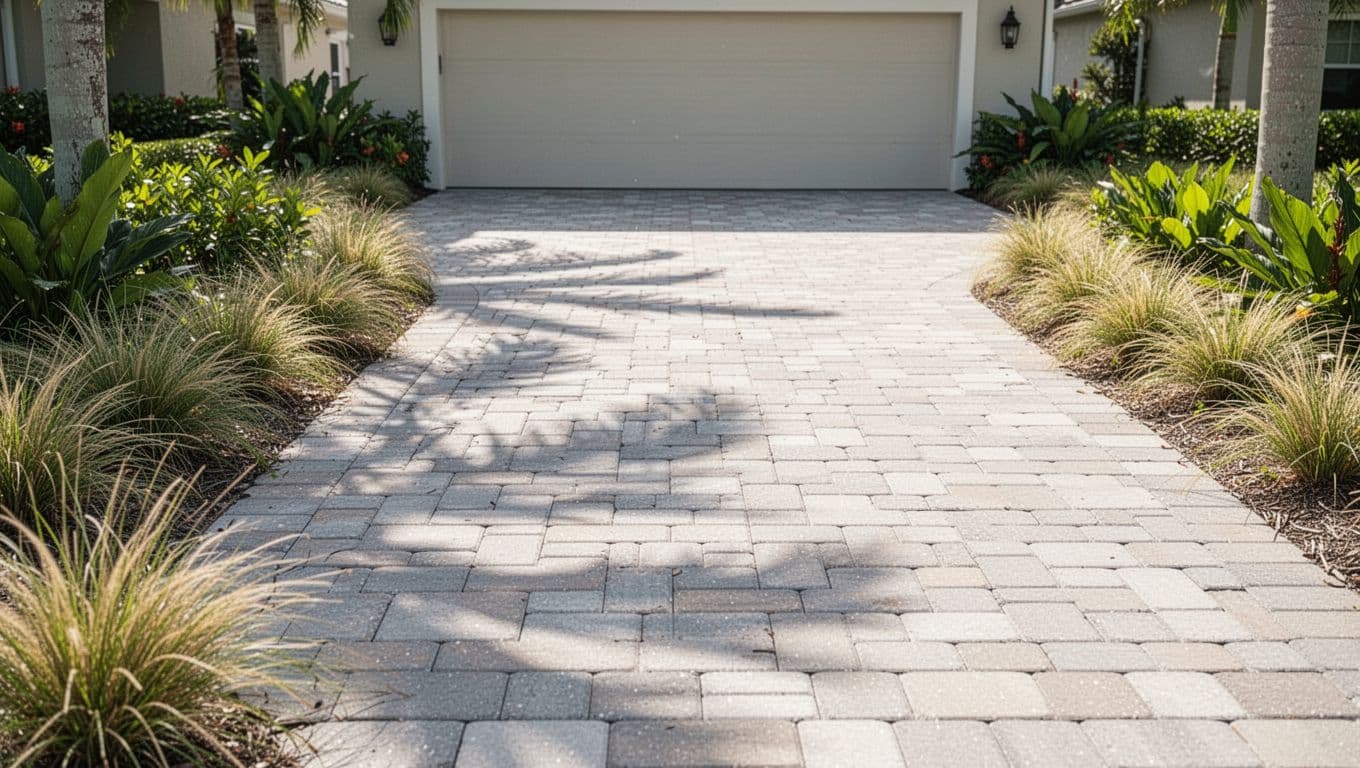
Best Cape Coral plants for driveway edges that won't scratch cars
These options fit the job because they stay compact, hold their shape, and rarely throw sharp surprises.
| Plant | Mature size | Sun needs | Why it works near cars |
|---|---|---|---|
| Blue daze | 6 to 12 inches tall, 2 to 4 feet wide | Full sun | Soft, low, and easy to keep out of the parking lane |
| Society garlic | 12 to 18 inches tall and wide | Full sun | Clumping form with narrow leaves and very little mess |
| Pentas | 18 to 24 inches tall and wide | Full sun to light shade | Flexible stems and a neat outline with light pruning |
| Dwarf mondo grass | 6 to 10 inches tall, 12 to 18 inches wide | Part shade to sun with watering | Hugs the ground and stays out of mirrors and doors |
| Clumping liriope | 12 to 18 inches tall, 12 to 24 inches wide | Sun to part shade | Soft arching foliage without thorny growth |
| Compact lomandra | 2 to 3 feet tall and wide | Full sun | Tough, tidy, and smooth enough for close borders |
| Bulbine | 12 to 18 inches tall, 18 to 24 inches wide | Full sun | Succulent leaves and light cleanup with few loose bits |
Blue daze
Blue daze stays low, usually 6 to 12 inches tall and 2 to 4 feet wide. It wants full sun, which suits most Cape Coral driveways. The stems are soft, the flowers are light, and the plant spreads as a neat mat instead of reaching into traffic.
It works well where you want a finished look without a lot of pruning. Clip it lightly after a flush of bloom, and it keeps the edge crisp.
Society garlic
Society garlic grows in tidy clumps about 12 to 18 inches tall and wide. It takes full sun and handles heat well. The narrow leaves bend instead of scratch, and the flower stalks are easy to snip off once they fade.
This is one of the easiest driveway plants to keep neat. It doesn't usually flop outward, so it stays predictable near a car path.
Pentas
Pentas gives you color without a rough edge. Most dwarf types stay around 18 to 24 inches tall and wide, and they like full sun to light shade. The stems are flexible, not woody, so they sit well beside a parking strip.
Deadhead spent blooms if you want a cleaner look, and pinch back taller shoots after a flush of growth. That keeps the border full without making it bulky.
Dwarf mondo grass
Dwarf mondo grass is one of the safest soft-border options. It usually stays 6 to 10 inches tall and spreads 12 to 18 inches wide. It handles part shade best, but it also works in sun if the soil stays evenly moist.
Because it hugs the ground, it rarely interferes with mirrors or doors. Trim only when clumps get ragged, and it keeps a clean, low line.
Clumping liriope
Clumping liriope gives the driveway a finished line without hard points. It grows about 12 to 18 inches tall and 12 to 24 inches wide, depending on the variety. It likes sun to part shade and tolerates Cape Coral heat well.
Pick clumping types, not runners, then cut back old leaves once a year for a fresh start. The shape stays soft, but the edge still looks organized.
Compact lomandra
Compact lomandra works well when you want something stronger than a groundcover but softer than a shrub. It usually reaches 2 to 3 feet tall and wide. Full sun is best, and it handles reflected heat and dry spells once established.
The long blades arch smoothly, so they frame the drive without scraping panels. Remove tired outer leaves as needed, and the plant keeps its clean shape.
Bulbine
Bulbine is a simple choice for bright spots near a driveway. It stays around 12 to 18 inches tall and 18 to 24 inches wide, with fleshy leaves and tall yellow or orange blooms. It loves full sun and doesn't drop much debris.
Snip the flower spikes after they fade, and the clump keeps its neat form. It also gives the border a softer look than many flowering plants.
Driveway plants that cause scratches or constant cleanup
Some plants look great in a nursery pot and turn annoying near a car. Thorny, spiky, woody, or fast-spreading choices are the usual troublemakers.
- Bougainvillea brings sharp thorns and brittle growth. It also sheds bracts and branches when it gets full.
- Roses have the same problem, plus constant pruning and dropped petals.
- Agave, yucca, and saw palmetto look bold, but their tips are too sharp for tight parking areas.
- Natal plum and carissa can work far from the drive, yet the thorns make them a bad choice right at the edge.
- Oleander gets large, woody, and messy. It needs more cleanup than most driveway borders deserve.
- Fast-spreading ornamental grasses can flop into the drive and dry into stiff blades that feel rough against paint.
If you want texture without the risk, choose clumps and mounds instead of spikes and canes. That simple shift saves a lot of trimming.
Keep the border neat with less trimming
The best edge starts with room to grow. Low groundcovers can sit 12 to 18 inches back from the pavement. Small shrubs need 24 to 36 inches. If a plant will reach 2 to 3 feet wide, give it more space than feels generous on day one.
Corners need extra caution. Keep taller plants back from sightlines at the driveway mouth, garage apron, and sidewalk turns. You want open views for backing out, not a hedge that hides kids, pets, or delivery drivers.
A concrete company can also help if you want a narrow curb or mow strip between the bed and the drive. That hard edge slows mulch creep and keeps stems from leaning into the parking lane. If your driveway has pavers, regular paver cleaning keeps sand and grit from building up where tires pick it up.
Some homes use artifical turf beside the drive, and that can work too, as long as the edge is clean and the plant strip stays narrow. Drip irrigation helps as well, because it waters the root zone without flinging soil onto painted surfaces. In every case, pick the mature size first, then the color.
Conclusion
The safest driveway plants in Cape Coral are the ones you barely notice when you pull in. They stay soft, low, and in scale with the space, so the border looks planned instead of crowded.
If you choose clumps over spikes and size them for mature growth, your driveway will stay easier to park beside and easier to keep clean. That is the sweet spot for landscaping near cars, a neat edge that works every day.
A clean border should protect the view, the paint, and your weekends.