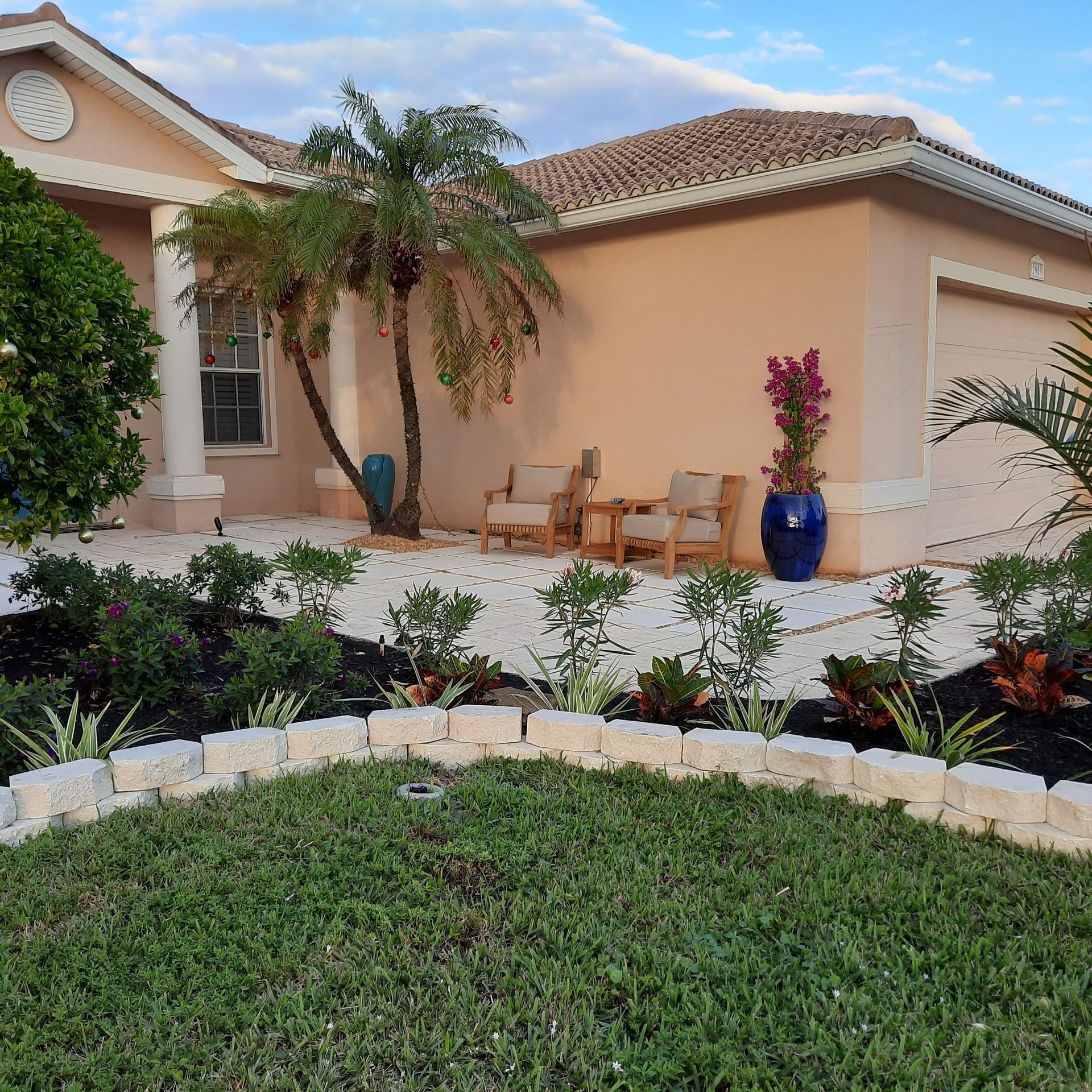



Native Plants vs. Florida-Friendly Plants in Southwest Florida
A plant can look perfect at the nursery and struggle within months in a Cape Coral yard. Southwest Florida gardens face intense sun, sandy or compacted soil, seasonal rain, salt exposure, irrigation limits, and occasional hurricanes. Achieving low-maintenance landscaping requires selecting species that are truly built to thrive in these demanding local conditions.
That makes the choice between native plants Florida and other Florida-friendly options more practical than philosophical. The strongest yard usually combines both, matching each plant to its light, soil, moisture, and space by prioritizing the resilience of Florida native plants.
Key Takeaways
- Native plants naturally fit local conditions and often support more wildlife habitat.
- Florida-friendly plants can include nonnative species that use water responsibly and are not invasive species.
- The right plant depends on sunlight, soil drainage, salt, mature size, and maintenance needs.
- HOA rules, local regulations, and utility requirements may limit approved plant choices.
- Healthy landscaping also depends on irrigation, mulch, drainage, and well-planned hardscape.
What Native and Florida-Friendly Plants Really Mean
Florida native plants occur naturally in the state or in a particular region without human introduction. A Southwest Florida native may be adapted to coastal conditions, flatwoods, pine forests, hammocks, or wet areas around canals and seasonal ponds.
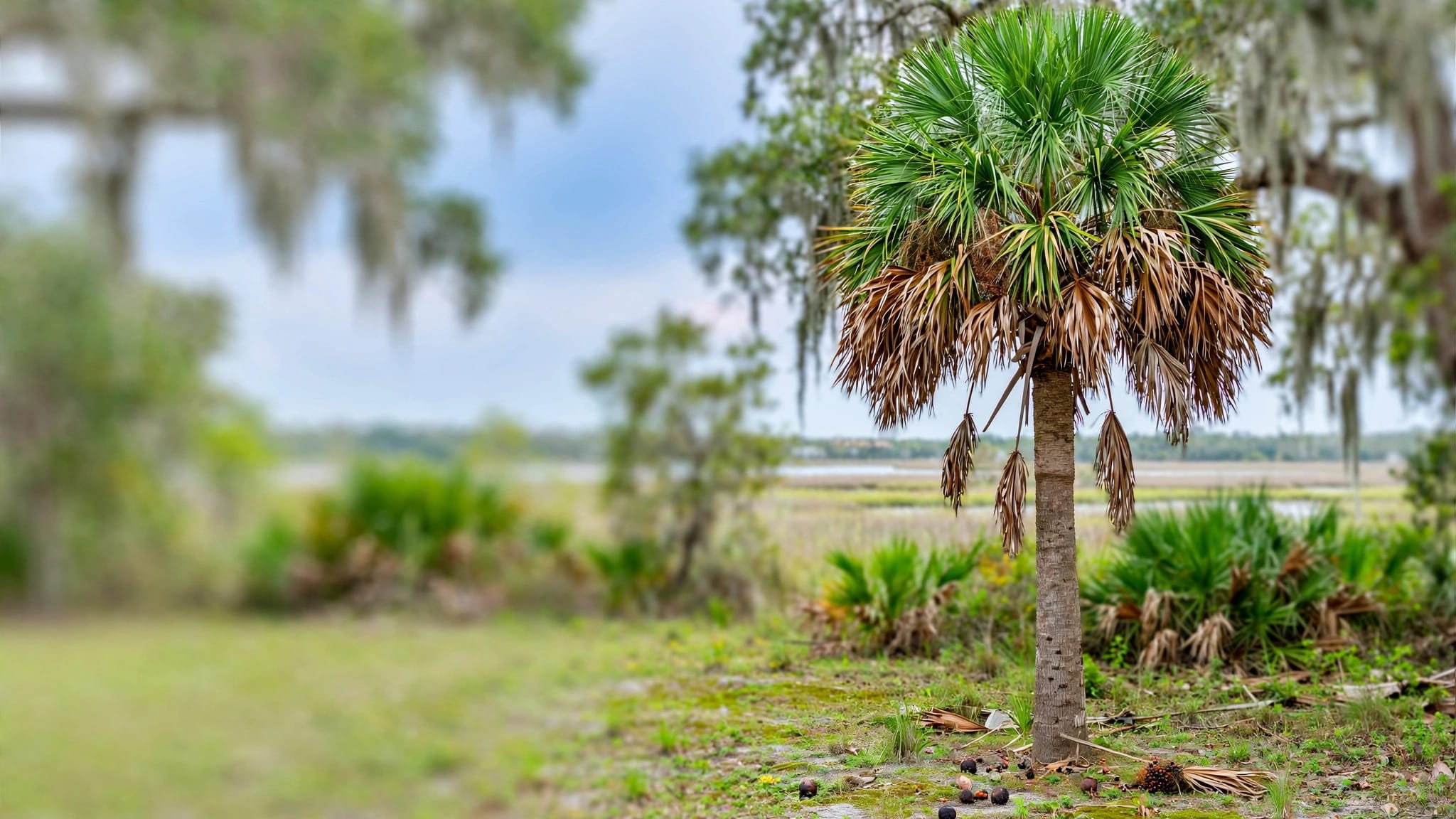
Examples often found at your local nursery include saw palmetto (Serenoa repens), coontie (Zamia integrifolia), gumbo limbo (Bursera simaruba), southern live oak (Quercus virginiana), Simpson's stopper (Myrcianthes fragrans), and American beautyberry (Callicarpa americana). Muhly grass (Muhlenbergia capillaris) also adds soft texture and seasonal color to sunny beds.
Florida-friendly landscaping is a broader approach. It follows the right plant right place principle, which emphasizes using water carefully, protecting soil, attracting wildlife, and avoiding invasive species. While native plants fit that approach, they are not the only choices. Some nonnative plants perform well because they tolerate local heat, require limited irrigation after establishment, and do not spread aggressively. Florida native plants are particularly essential for maintaining biodiversity in the home landscape by providing specific food and shelter for local pollinators.
For example, a homeowner might use a native coontie near a shaded entry and choose an adapted ornamental plant in a separate sunny bed. Both can work when their needs match the site.
The label alone does not settle the decision. A Florida native that needs well-drained soil may fail in a wet depression. Another native may grow too large beside a foundation. Meanwhile, an adapted nonnative may perform well in a contained bed but offer less food or shelter for local wildlife.
Native status describes a plant's origin. Florida-friendly describes how responsibly the plant works in a specific yard.
Check the plant's botanical name before buying. Common names can describe several different plants, and cultivated varieties may have different growth habits. Also check the UF/IFAS Assessment before choosing unfamiliar plants, especially species marketed as fast-growing or low-maintenance.
Native Plants vs. Florida-Friendly Choices
Both categories can produce attractive, practical yards, but they differ in ways homeowners notice over time.
| Consideration | Native plants | Florida-friendly nonnative plants |
|---|---|---|
| Water needs | Often drought-tolerant after establishment, when matched to the site | Can be low when the species is adapted to local conditions |
| Wildlife value | Frequently supports native insects, birds, pollinators, and other wildlife | Varies by plant, with some providing food or shelter |
| Maintenance | Usually manageable, but mature size and natural form matter | Varies widely, from easy-care to pruning-heavy |
| Site tolerance | Strong in conditions similar to the plant's natural habitat | Depends on species, cultivar, and growing conditions |
| Invasive risk | Usually lower, though avoiding invasive species remains essential | Requires careful screening before planting |
| Appearance | May have a less formal or more seasonal form | Often offers predictable color, shape, or screening |
Native plants can reduce replacement costs because they often handle local weather and soil better. However, they still need regular watering during establishment. A newly installed native tree will not become drought-tolerant the day it leaves the nursery.
Wildlife value is another reason homeowners choose native plants Florida. Coontie supports the atala butterfly, while native flowering plants can provide nectar for butterflies, bees, and other insects. Berry-producing shrubs may offer food for birds. By choosing the right mix, you can create a functional wildlife habitat that sustains local species. The benefit depends on the entire planting plan, not a single specimen.
Florida-friendly nonnative plants can solve design problems that natives may not. A homeowner may need a dense screen, a formal hedge, a compact foundation plant, or a long bloom season. The right adapted species can meet that need without consuming excessive water.
Still, avoid plants that escape cultivation and crowd natural areas. Brazilian pepper and melaleuca are well-known invasive concerns in Florida. A plant's availability at a local nursery does not prove that it is appropriate for every property.
The best comparison is rarely native versus nonnative. It is well-matched versus poorly matched. A suitable plant in the right location will usually outperform a fashionable plant selected for appearance alone.
How Southwest Florida Homeowners Should Choose Plants
Start with the conditions at the planting location. Walk through the yard at different times and note the sunlight needs of each bed. Morning light, filtered shade, reflected heat from a wall, and full afternoon sun create different growing conditions.
Next, examine soil drainage. Southwest Florida properties can have sandy soil, shell fill, compacted construction soil, or areas that stay wet after heavy rain. A plant suited to dry, well-drained ground may decline in a low spot. Wet-tolerant species may struggle on a raised, fast-draining mound.
Salt also matters near the Gulf, bays, and properties exposed to salty irrigation water. When selecting your greenery, choosing coastal plants and species suited for Southwest Florida hardiness zones is critical for long-term success. Varieties such as sea grape (Coccoloba uvifera) and certain forms of saw palmetto can handle salt better than many inland ornamentals. Even salt-tolerant plants need protection during severe storm conditions.
Before selecting trees and shrubs, check mature height and spread. Small beds often become crowded because homeowners plan around the nursery container instead of the adult plant. Keep large trees away from roofs, utility lines, septic components, swimming pools, and foundations. Account for roots and falling branches, not only the canopy.
A simple site review should include:
- Sunlight needs and areas of shade
- Soil drainage and standing water
- Salt exposure and wind
- Mature plant size
- Existing irrigation coverage
- Distance from structures and utilities
- Local codes and HOA requirements
HOA landscaping requirements can affect approved plant lists, lawn percentages, bed borders, tree placement, and front-yard appearance. Local municipalities and water utilities may also regulate irrigation installation or watering schedules. Review those rules before ordering plants or removing established vegetation.
Responsible water use begins with design. Group plants with similar moisture needs, place thirsty species near a reliable water source, and keep drought-tolerant plants in separate beds. Drip irrigation or properly adjusted spray zones can reduce waste, but neither system fixes a plant placed in the wrong location.
Mulch helps moderate soil temperature and reduce evaporation. Keep it several inches away from trunks and avoid piling it against stems. A thick layer touching the plant can hold moisture against the bark and create decay problems.
Build a Yard That Looks Good Without Constant Work
A successful planting plan uses layers without overcrowding to move toward sustainable landscapes. A small tree can provide height, shrubs can define the middle layer, and ground covers or grasses can fill open soil. Repeating a few reliable plants often creates a cleaner appearance than filling every bed with different specimens.
Native shrubs bring seasonal changes that some homeowners appreciate. American beautyberry may produce purple berries, while muhly grass offers flowering plumes in suitable conditions. Those changes can attract wildlife, and if you are interested in a butterfly garden, including native milkweed is a necessary addition for monarch conservation. While these additions attract pollinators, they also mean the yard may look less organic and wild rather than like a tightly clipped hedge.
Low-maintenance landscaping should guide your overall plant selection. Some native species have a natural irregular shape and need little pruning. Others grow quickly or produce volunteer seedlings. Florida-friendly ornamentals can require frequent trimming if planted too close together. Ask how often a plant needs pruning, whether it drops fruit, and how wide it becomes.
Avoid treating low-maintenance landscaping as no maintenance. New plants need establishment irrigation, weed control, and monitoring for pests or stress. After that period, adjust irrigation as rainfall and seasons change. Inspect emitters and spray heads because a broken irrigation zone can waste water or leave an entire bed dry.
Lawn alternatives can also fit a Florida-friendly plan. Artificial turf can reduce mowing in selected areas, but it is not a replacement for every planting bed. It can become hot in direct sun and still needs occasional cleaning. Trees and shrubs add shade, habitat, and cooling that synthetic surfaces cannot provide, which is why Florida native plants remain a superior choice for temperature regulation.
A balanced yard may include a smaller turf area, native or adapted planting beds, shade trees, and permeable or well-drained hardscape. That combination supports outdoor use without turning the whole property into a high-maintenance garden.
Coordinate Plants With Pavers, Concrete, and Drainage
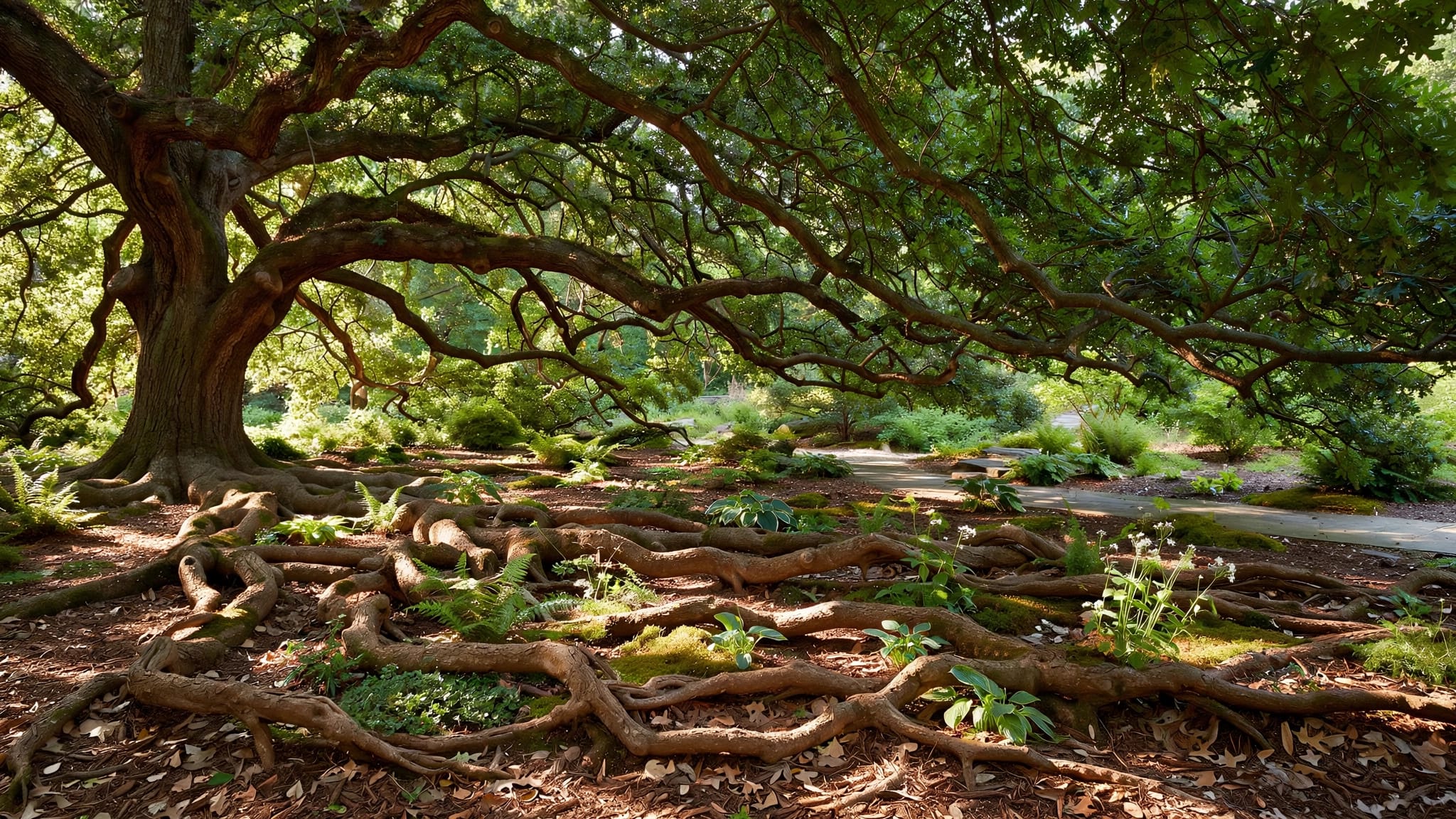
Plant choices significantly affect hardscape performance. Trees like the southern live oak require significant space as they mature, as their expansive root systems can lift pavers or push against concrete over time. Falling leaves can also collect in drains and stain paver surfaces. Be sure to give trees adequate room before installing a new patio, walkway, or driveway.
A qualified concrete company can help coordinate slab edges, grades, joints, and drainage during an outdoor improvement project. A landscaping team can then place Florida native plants with deep root systems where they soften the hardscape without blocking access or directing water toward the home. These plants can even assist with soil drainage near concrete structures, helping to manage moisture levels effectively.
Pavers need room for edging and routine care. Schedule paver cleaning before adding delicate ground covers beside a walkway, especially if the cleaning process uses pressure or cleaning solutions. Protect plants and keep runoff away from storm drains and natural waterways.
Drainage deserves attention before planting. If water collects beside a foundation or patio, solve the grade or drainage problem first. A French drain, swale, or other drainage solution may be more appropriate than choosing plants that merely tolerate constant saturation.
Frequently Asked Questions
Do native plants in Florida require no maintenance at all?
While native plants are adapted to local conditions and often require less water and fertilizer once established, they still need initial care. Newly planted species must be watered regularly until their root systems are fully developed, and periodic pruning may be necessary to maintain the desired shape and plant health.
Can I mix native plants with nonnative, Florida-friendly species?
Yes, combining both categories is often the most effective approach for a balanced landscape. You can use native plants to support local pollinators and biodiversity while selecting Florida-friendly nonnative species to address specific design needs, provided they are not invasive and are well-matched to your site conditions.
How can I tell if a plant is considered invasive in Florida?
It is important to consult the UF/IFAS Assessment of Non-native Plants in Florida's Natural Areas before purchasing any plant. This resource categorizes plants based on their potential to escape cultivation and crowd out native vegetation, helping you avoid species like Brazilian pepper or melaleuca that threaten local ecosystems.
Why does the mature size of a plant matter for my landscape design?
Choosing plants based on their ultimate height and spread prevents common issues like overcrowding, root damage to foundations, and conflicts with utility lines. Planning for the mature size ensures your garden remains manageable and safe without requiring constant, excessive pruning or costly plant removals in the future.
Conclusion
The strongest choice for Southwest Florida homeowners is not a strict native-only or nonnative-only rule. It is a planting plan based on sun, soil, water, salt, mature size, wildlife value, and maintenance time.
If you are looking for specific recommendations, the Florida Native Plant Society offers excellent curated lists to help you get started. You might consider adding Coreopsis, the state wildflower, as a colorful addition to any sunny bed. While native plants bring strong local adaptation and habitat value, Florida-friendly nonnative plants can also add useful forms and colors when they are not invasive and fit your specific site.
Review HOA and local requirements, plan your hardscape and drainage together, and choose each plant for the place where it will actually grow. This approach produces a healthier yard with fewer costly replacements. Ultimately, using Florida native plants helps promote conservation, which protects at-risk species and boosts local biodiversity throughout Southwest Florida.