


811 Cape Coral: Safe Digging Before Landscape Projects
A damaged irrigation pipe or buried service line can turn a simple yard upgrade into an expensive repair. If you're searching for 811 Cape Coral information before installing plants, pavers, concrete, or artificial grass, start with Sunshine 811 and plan for private utility lines too.
Calling 811 helps locate participating public underground utilities before excavation. It doesn't automatically identify every line on your property, so a safe project also requires a careful site review, clear markings, and current guidance from Sunshine 811 and the City of Cape Coral.
811 Cape Coral: Why the Call Matters
What Sunshine 811 locates
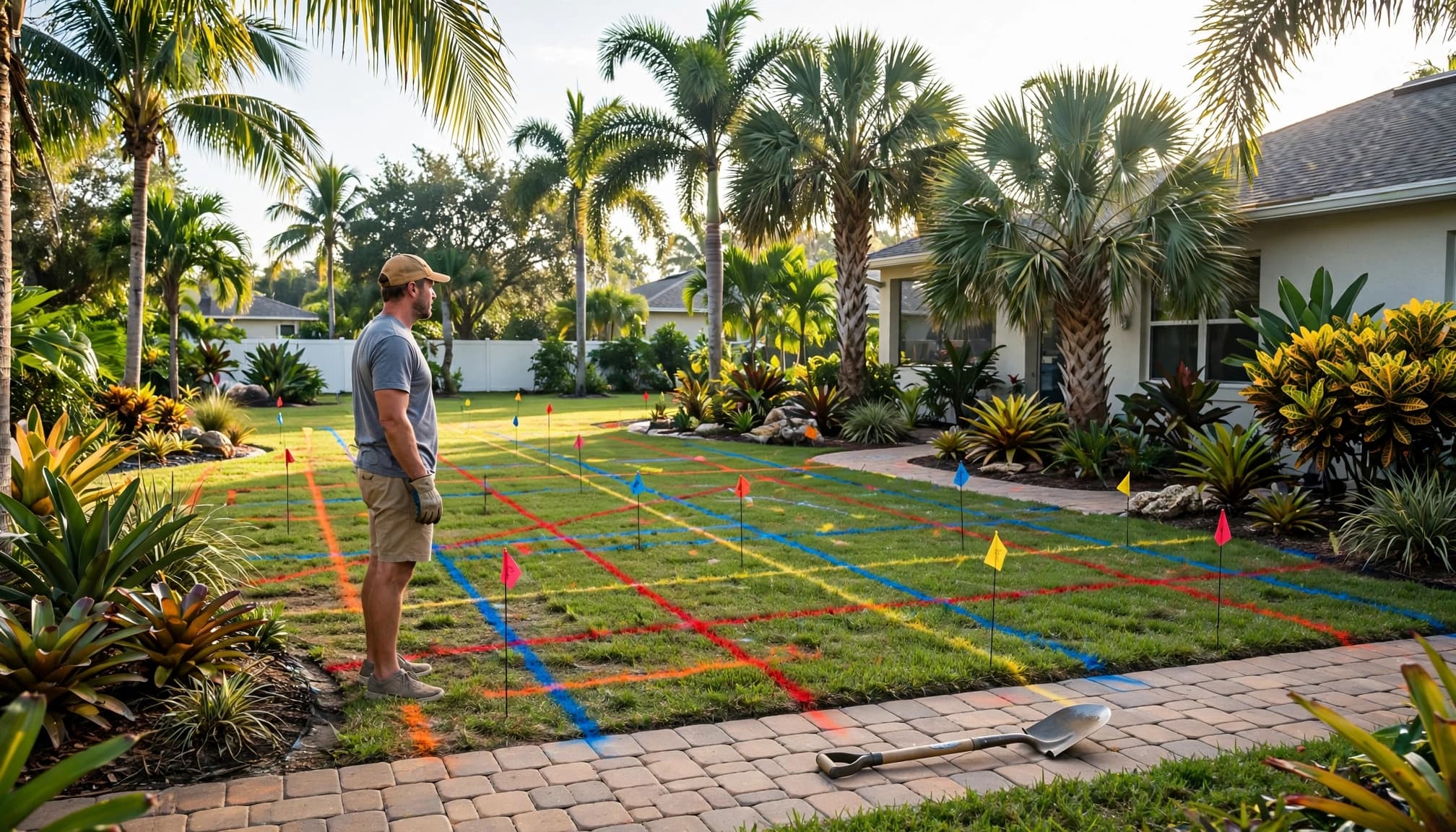
Sunshine 811 coordinates requests with participating utility operators. Those companies send locators to mark buried public facilities near your planned digging area. Depending on the property, marks may identify electric, gas, communications, water, or sewer lines.
Sunshine 811 doesn't perform every locate itself. It passes your request to the member utilities and records each operator's response. A response may indicate that a line was marked, that no conflict exists, or that a facility remains unmarked and needs follow-up.
Cape Coral's code-compliance guidance also reminds property owners to call 811 before digging. The service is free, and you can request a locate by dialing 811, calling 800-432-4770, or submitting a ticket through the Sunshine 811 system.
What the call doesn't locate
A public utility locate isn't a complete map of everything beneath your yard. Private lines installed after the utility meter or on the homeowner's side of a service point may not belong to a participating utility.
That can include irrigation pipes, sprinkler control wires, pool equipment lines, private electrical service, and low-voltage landscape-lighting cable. You may need a private utility locator, an electrician, an irrigation professional, or a pool contractor to trace those systems.
This distinction matters during landscaping because many residential projects cross several types of underground work. A new planting bed may cover irrigation. A walkway may cross lighting cable. A patio or driveway may require deeper excavation near pool or electrical service lines.
When to Contact Sunshine 811 in Cape Coral
Allow two full business days
Florida requires excavators to notify Sunshine 811 at least two full business days before starting excavation . That means weekends and holidays don't count as ordinary business days, so leave extra time if your project has a fixed start date.
A locate request generally remains valid for 30 calendar days . If the work continues beyond that period, or if the project changes substantially, check the current Sunshine 811 instructions and request a new ticket when required.
Don't schedule excavation for the same day you call. A landscaping crew may arrive with a trencher, auger, skid steer, or other equipment before the marks are complete. Waiting until the last minute can delay the job and create pressure to start before the site is ready.
Work connected with state waters has different notice requirements. Waterfront property owners should confirm the current rule before beginning excavation near a canal, shoreline, or other regulated water area.
Provide a clear project description
When you submit the request, be prepared to provide:
- Your name and contact information.
- The exact property address and digging area.
- The planned start date.
- The type of work, such as planting, drainage, irrigation, pavers, or concrete.
- The expected duration of the excavation.
- A description of the proposed route or work zone.
Mark the planned digging area with white paint, flags, or stakes before submitting the request. White-lining helps locators understand where the work will happen, especially on a large lot or a property with several separate improvements.
For example, mark the full footprint of a new paver patio, not only the spot where the first shovel will enter. If you're trenching for irrigation or lighting, mark the route and the locations of valves, fixtures, or connection points.
A clear layout also helps a contractor coordinate the project. Before requesting quotes for Cape Coral landscape design and installation, draw the proposed beds, walkways, patios, drainage features, and utility routes on a basic site plan.
What Happens After You Submit the Request
Wait for every response
Utility marks should be present before excavation begins, but don't assume that one set of paint lines means the ticket is complete. Check the response status for each participating operator and confirm that no utility remains marked as pending or unmarked.
Walk the property with the locator responses in hand. Look for paint, flags, and stakes near the planned work area. Take photographs before construction starts, especially if rain, mowing, irrigation, or foot traffic could remove the markings.
Marks are approximate. They show the general location of a buried facility, not an exact underground survey. Protect them during preparation and construction. If the markings fade, are removed, or no longer match the proposed work, stop and request clarification or a new locate.
Respect the 24-inch tolerance zone
Florida's tolerance zone extends 24 inches from the outer edge of a marked underground facility on either side . Excavation inside that area requires extra care.
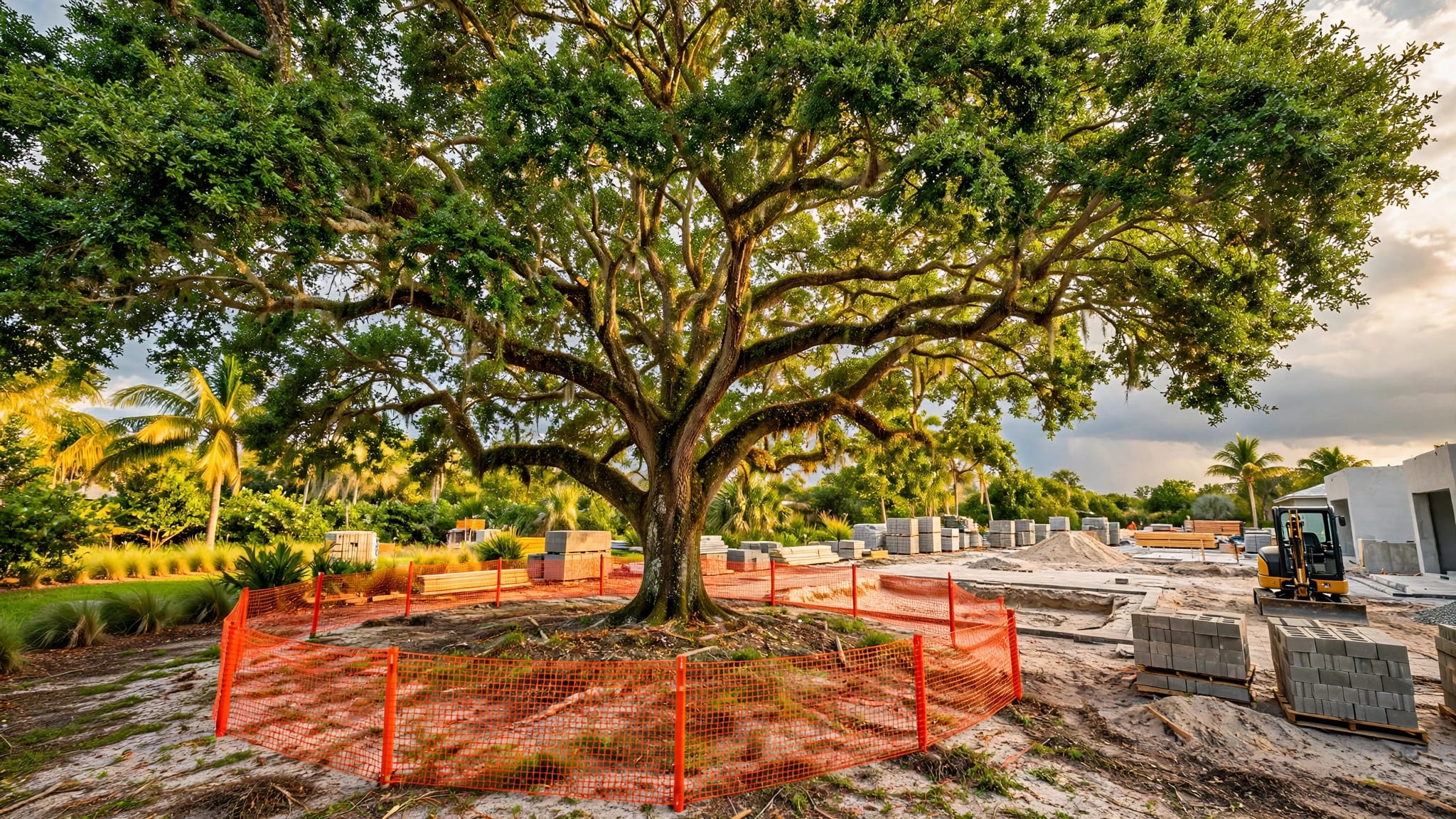
Use hand digging, careful potholing, or vacuum excavation near the mark. Avoid driving a machine bucket, auger, or trencher directly through the tolerance zone. The goal is to expose the facility carefully before using equipment nearby.
A line may not run in a perfectly straight path, and the depth can vary. Soil movement, previous repairs, grading, and installation methods can change the position of a utility. A paint line is a warning to slow down, not permission to dig directly over it.
This precaution becomes especially important before installing Cape Coral paver installation, concrete patios, driveway extensions, retaining features, or drainage improvements.
Private Lines 811 May Not Locate
Irrigation and pool-related service
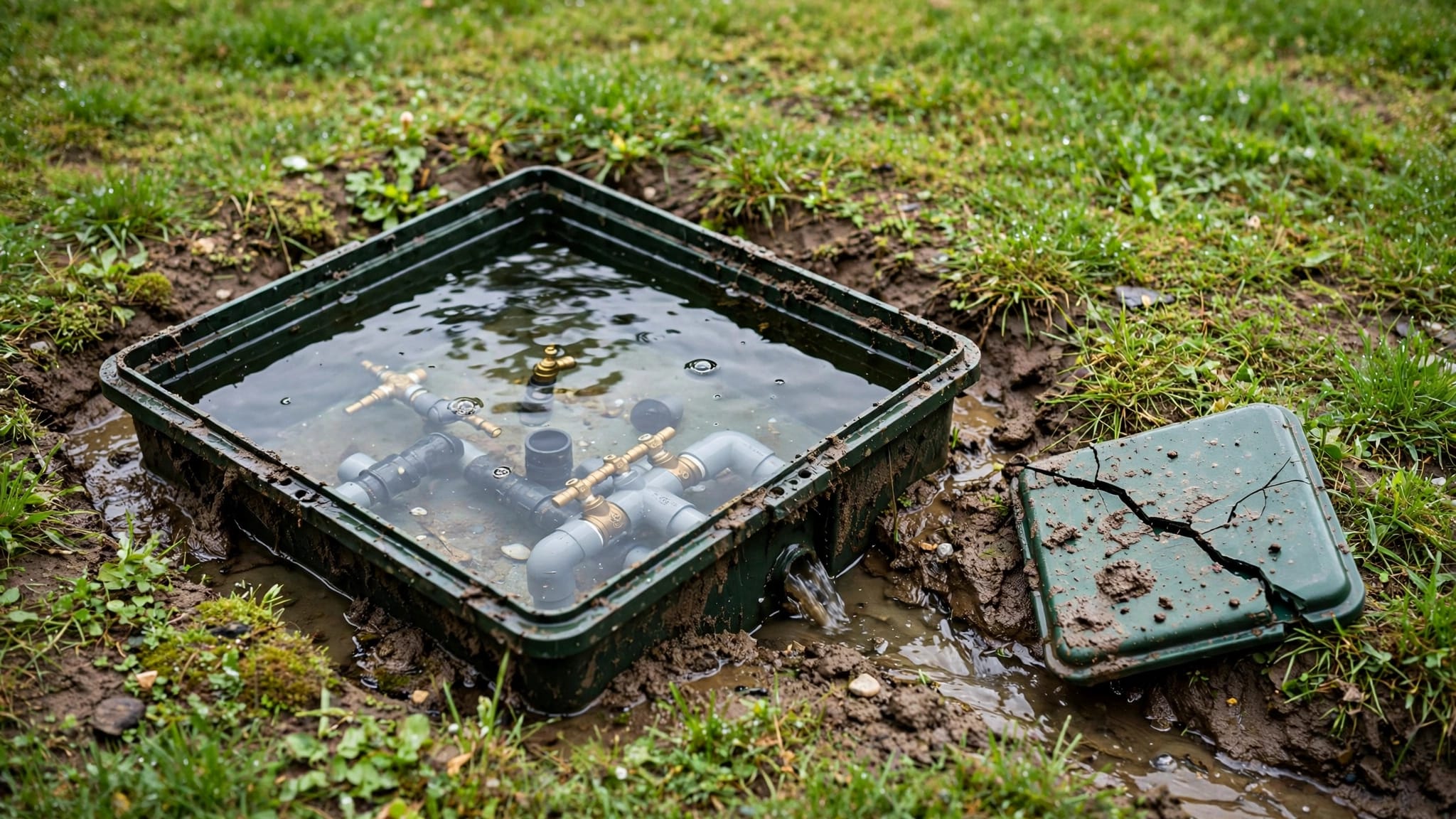
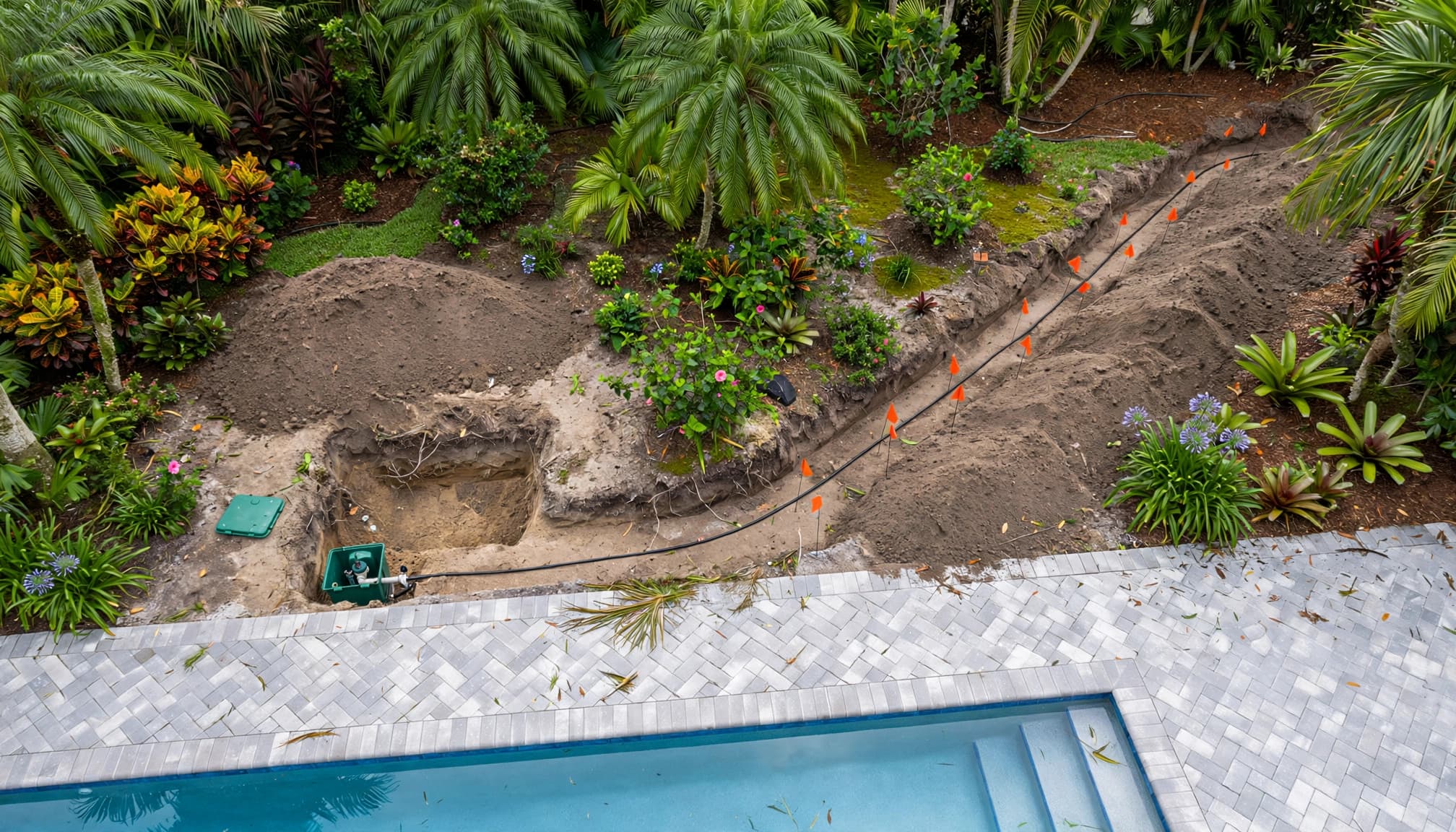
Cape Coral yards often contain irrigation systems with buried lateral lines, valve wiring, sleeves, and control cables. These private components may not be marked through a standard 811 request.
Before digging, find the irrigation controller, shutoff valves, backflow device, pump connections, and visible valve boxes. Ask an irrigation professional to trace uncertain routes. Even a shallow planting bed can cut a riser or lateral line, while a deeper trench can damage the main supply.
Pool-related lines require similar caution. Pool pumps, heaters, lights, automation equipment, and electrical panels may connect through private service runs. Ask a qualified pool professional or electrician to identify these lines before excavation near the equipment pad, pool deck, screen enclosure, or underground conduit.
Landscape lighting and project coordination
Low-voltage landscape lighting usually includes a transformer, direct-burial cable, connectors, and fixture leads. These private wires may not appear on a public utility locate. Trace them before installing edging, planting trees, digging post holes, or removing old beds.
If a lighting route crosses a new walkway or patio, plan sleeves or conduit before the hardscape goes in. Keep cable splices away from paver seams and edging where moisture can collect. A lighting plan should also account for access to transformers and future repairs.
The same planning applies when preparing for artificial turf. Base excavation, drainage work, edging, and cable placement should happen before the finished turf is installed. Cutting through new turf to repair a buried line creates avoidable expense and visible seams.
Project order matters in Cape Coral. Drainage, grading, utility work, irrigation, and underground lighting should be settled before final sod, turf, pavers, or concrete. If a concrete company is scheduled to pour a patio or driveway, coordinate sleeves and crossings before the pour.
Safe Digging Steps for Landscape Projects
Use this homeowner checklist
Follow this sequence before starting work:
- Draw the proposed work area, including beds, trenches, patios, walkways, drainage features, and lighting routes.
- Mark the planned excavation area with white paint, flags, or stakes.
- Submit a Sunshine 811 request at least two full business days before digging.
- Record the ticket details, planned start date, and responses from participating utilities.
- Wait until every response is complete and inspect the site for paint and flags.
- Arrange separate locating for private irrigation, pool, electrical, and landscape-lighting lines.
- Photograph the markings and keep equipment outside the marked tolerance zone.
- Hand dig or pothole within 24 inches of a marked facility.
- Protect the markings throughout the work and request a new locate if they disappear.
- Confirm current city, permit, HOA, and contractor requirements before construction begins.
For a full yard renovation, include utility locating in the planning stage rather than treating it as a last-minute construction task. This makes it easier to adjust a patio edge, shift a planting bed, or reroute a drain before materials arrive.
Stop if you contact a line
If a shovel, auger, trencher, or other tool contacts an underground facility, stop immediately. Do this even when there is no visible damage, leak, spark, or service interruption.
Move people and equipment away from the area when necessary. Contact the facility owner or the appropriate emergency service, and follow their instructions. Don't cover the line, continue digging, or attempt a repair yourself.
If the work involves electrical service, gas, or an unknown facility, treat the situation as hazardous. A line can remain energized or pressurized after apparent contact.
Key Takeaways for Cape Coral Homeowners
- Call Sunshine 811 before landscape excavation. The service is free.
- Submit the request at least two full business days before digging.
- Mark the proposed work area clearly with white paint, flags, or stakes.
- Treat utility marks as approximate and protect them during construction.
- Hand dig, pothole, or use vacuum excavation within 24 inches of a marked facility.
- Arrange separate locating for private irrigation, pool, electrical, and lighting lines.
- Coordinate underground work before installing pavers, concrete, sod, or artificial turf.
- Stop immediately if equipment contacts a buried facility.
- Check current Sunshine 811, City of Cape Coral, permit, and HOA requirements before work begins.
811 Cape Coral FAQ
Is calling 811 required for planting and landscaping?
Florida's excavation-notice rules apply when work involves digging, not only large construction projects. A tree installation, irrigation trench, drainage feature, fence post, paver base, or concrete project can disturb buried utilities. If you're removing a few shallow plants by hand, the risk is smaller, but you should still check the area before using powered equipment.
Cape Coral's public guidance tells property owners to call 811 before digging. Follow the current official instructions for your project and location.
How long does a Sunshine 811 ticket last?
A Florida locate request is generally valid for 30 calendar days. Confirm the current status before work begins, especially if the project was delayed, the work area changed, or markings have faded.
A new request may be necessary when construction continues beyond the ticket period or when the original description no longer matches the work.
Will 811 find my irrigation and lighting wires?
Not necessarily. Sunshine 811 coordinates participating public utility locates, but private irrigation, pool, electrical, and landscape-lighting lines may remain unmarked.
Check visible equipment and records, then arrange a private locate or ask the relevant service professional to trace the lines. Don't assume that an empty area after the public locate is safe for excavation.
Do I need 811 before installing pavers or a concrete patio?
Yes. Paver and concrete projects often require excavation for base material, footings, drainage, conduit, or sleeves. Submit the locate request before demolition and site preparation, not after the old surface has been removed.
A project that includes lighting, irrigation, or drainage needs separate planning for private lines as well. Schedule paver cleaning after construction and utility work are complete so new sand, washouts, or buried repairs don't undo the finished surface.
Conclusion
A successful Cape Coral landscaping project starts below the surface. Use Sunshine 811 for public utility locates, allow two full business days, respect the 24-inch tolerance zone, and arrange separate locating for private systems.
That preparation protects your property, your crew, and your budget. Whether you're adding a planting bed, installing artificial grass, building a patio, or improving drainage, 811 Cape Coral planning belongs at the beginning of the project.