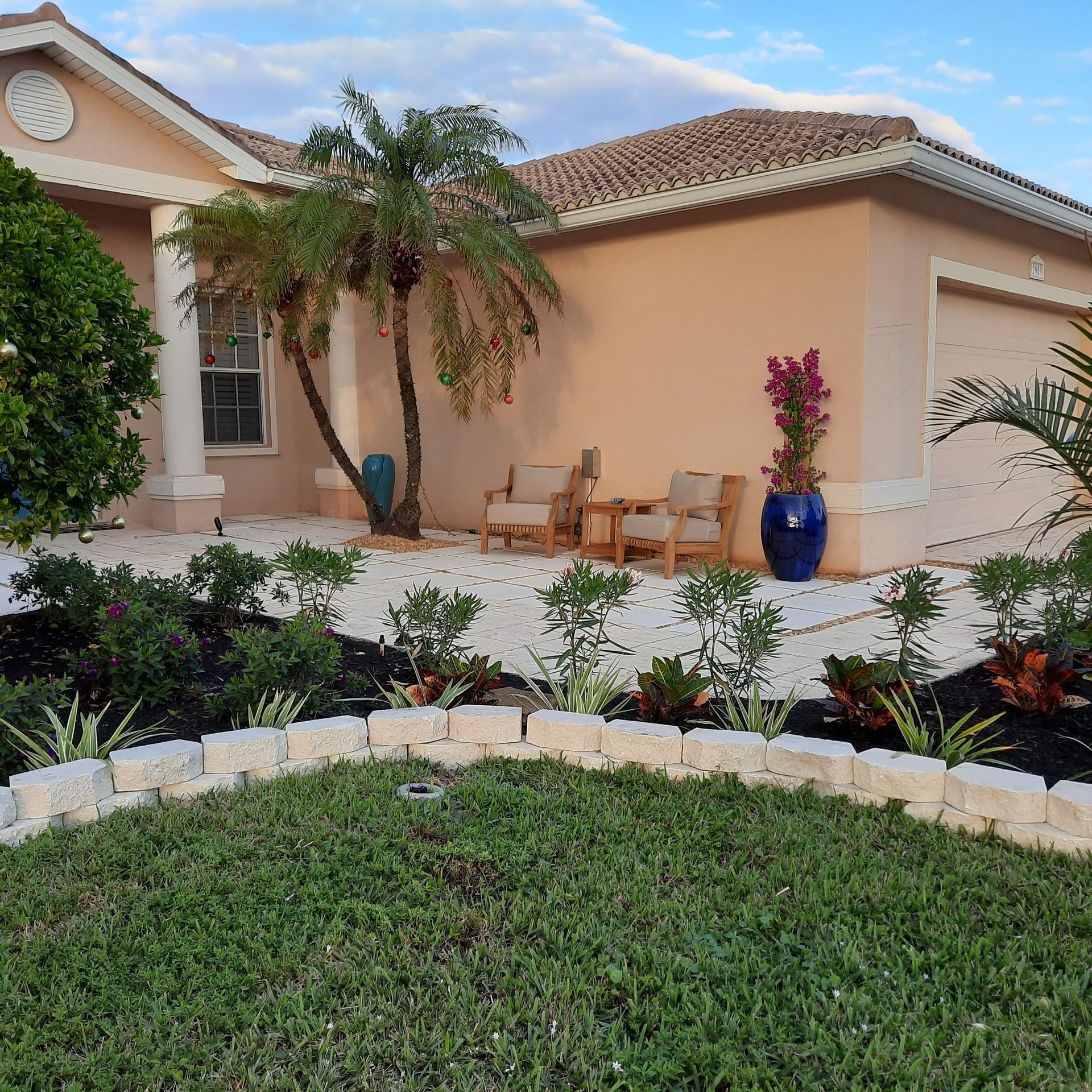



Cape Coral Soil Problems That Ruin Plants and How to Fix Them (sand, salt, low nutrients)
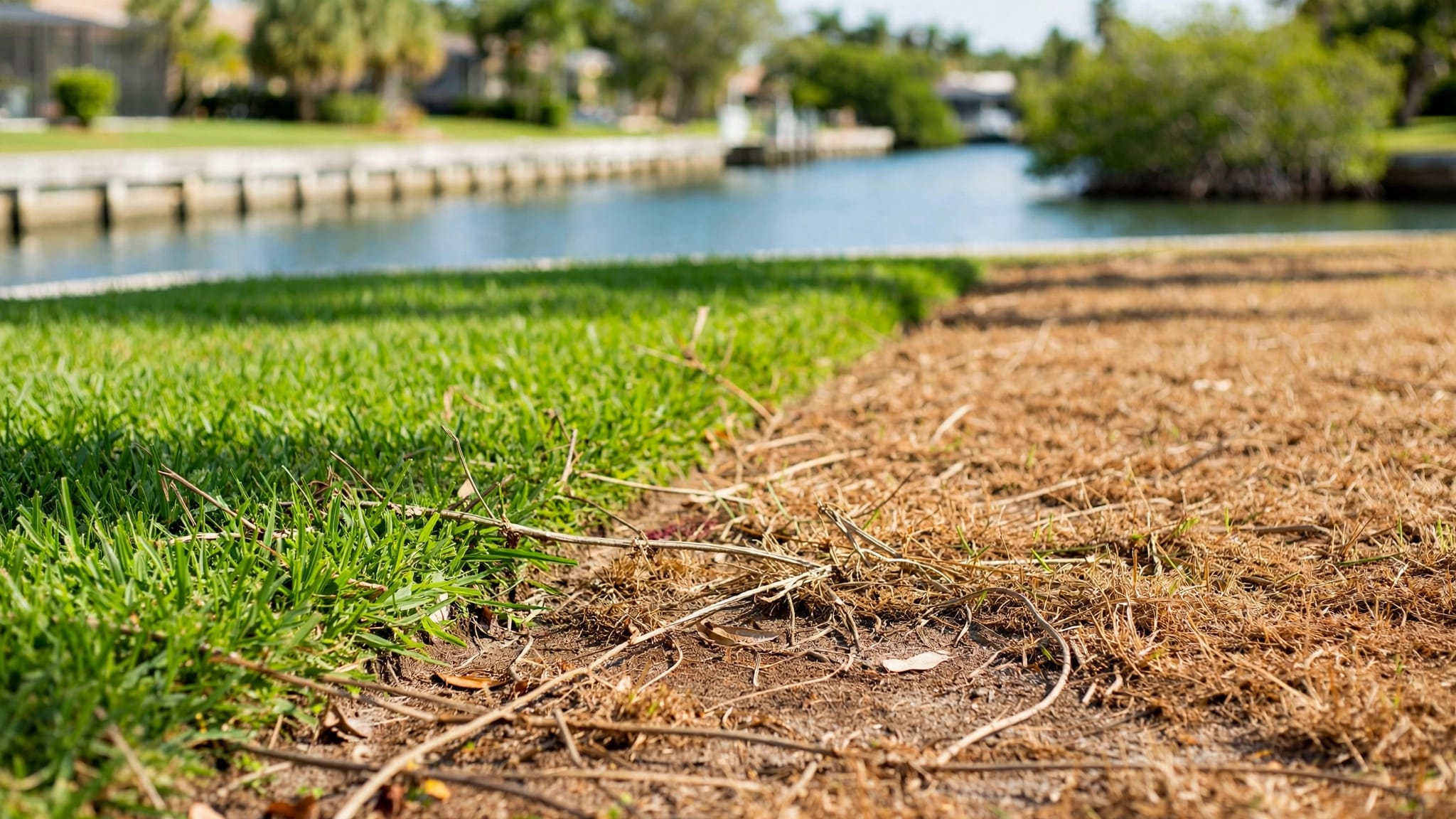
If you’ve tried planting in Cape Coral soil , you already know the frustration. One week the plant looks fine, the next it’s wilted, yellow, or burnt on the edges, even though you watered. It can feel like you’re gardening in a sandbox that fights back.
The good news is that most plant failures here trace back to a few repeat issues: fast-draining sand, salt buildup, and soil that’s basically empty of nutrients. With the right fixes, your beds can hold water better, feed plants longer, and stay safer for our canals and estuaries.
Why Cape Coral soil gives plants such a hard time
Most residential yards in Cape Coral sit on very sandy material , often mixed with construction fill. Sand isn’t “bad,” but it behaves differently than the richer soils people move from up north. Think of it like a colander: water runs through fast, and dissolved nutrients run with it.
Here’s what that means in real yards:
- Low water-holding capacity: You water, the top looks wet, then roots dry out hours later. Shallow-rooted plants struggle the most.
- Low nutrient storage: Fertilizer can wash below the root zone quickly, especially in rainy summers.
- Weak soil biology: Without organic matter, there’s less microbial life to help plants access nutrients.
- Higher pH in many lots: Limestone-based fill can push pH up, making iron and manganese harder for plants to use. That’s when you see yellow leaves even if you’re feeding.
Salt is the other big problem, and it sneaks in from multiple directions: reclaimed irrigation water, salty well water, sea spray during windy storms, and salty groundwater in some neighborhoods. UF/IFAS has a clear breakdown of how salinity shows up and why plants react so fast in sandy sites in Tackling soil salinity problems in the home landscape.
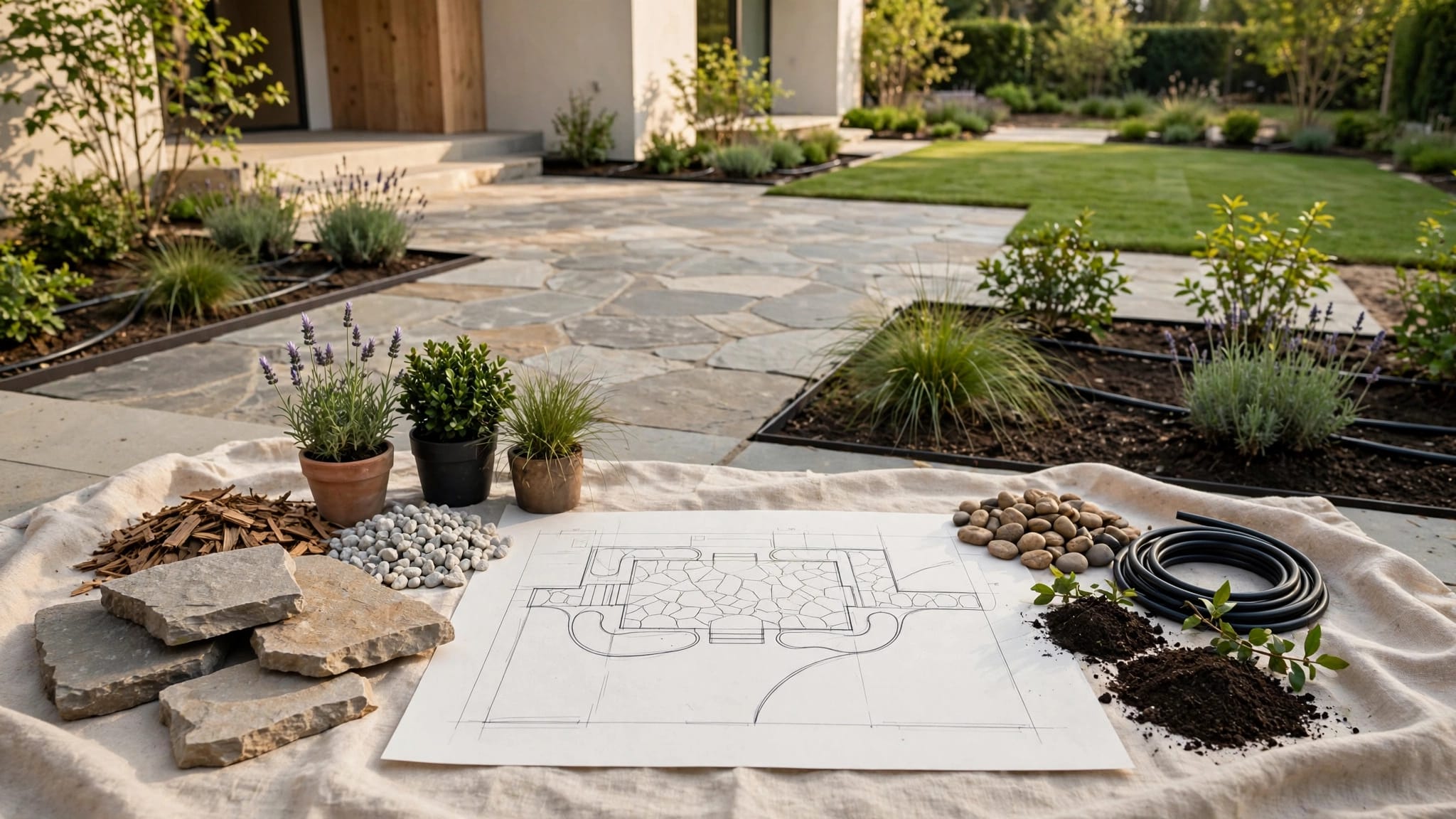
Hardscapes can add to the challenge. More driveway, patio, and pool deck area means more runoff, and runoff often carries fertilizer and salty rinse water straight toward storm drains. If you’re planning major changes (pavers, walkways, new beds), it helps to work with a team that understands grading and drainage as part of the full plan, not an afterthought. You can see what that looks like with Cape Coral landscape & paver services by Outdoor Life Pros.
Quick troubleshooting: match plant symptoms to Cape Coral soil causes
Before you add anything, match what you’re seeing to the most likely cause. Many “pest problems” in Cape Coral are really soil and water problems.
| Symptom you see | Likely soil issue in Cape Coral | What to do first |
|---|---|---|
| Leaf tips brown or “burnt” | Salt buildup, drought stress from sand | Leach salts carefully, then mulch and adjust irrigation |
| Yellow leaves with green veins (common on new growth) | High pH causing iron or manganese tie-up | Confirm pH with a soil test, add organic matter, use a labeled micronutrient product if needed |
| Stunted growth, pale color | Low nutrients and low organic matter | Topdress compost, switch to slow-release fertilizer in small doses |
| Wilting even though you watered | Water moves through sand too fast, or roots damaged by salt | Water deeper in cycles, improve soil with compost, check salinity source |
If you’re starting fresh beds or installing new plants, a simple soil test saves time and money. UF/IFAS explains what to check before planting (including how construction changes soil behavior) in Preplant soil assessment for new residential landscapes in Florida.
How to fix sand, salt, and low nutrients (without harming waterways)
The best approach is a layered one: add organic matter to slow sand down, manage salts with smart irrigation, then feed plants in a way that doesn’t wash into canals.
Build a soil “sponge” to tame sand
For planting beds (not turf), organic matter is the fastest win.
- New or renovated beds: Spread 2 to 3 inches of compost over the bed and mix it into the top 6 to 8 inches of soil. This improves moisture holding and gives roots a softer, more stable zone.
- Established beds: Topdress 1 inch of compost once or twice a year (spring and fall works well). Let earthworms and rainfall pull it down over time.
- Mulch matters: Add 2 to 3 inches of mulch on top of the bed. Keep mulch a few inches away from trunks and stems to prevent rot. Mulch cuts evaporation, reduces salt splash on leaves, and helps protect soil biology from heat.
Skip “miracle” amendments that promise instant transformation. In Florida sand, consistency beats intensity. UF/IFAS also has a helpful plain-language overview of why Florida soils act this way in Working in your Florida soil.
Leach salts on purpose, not by accident
If salts are building up, you want to push them down and away from roots , but you don’t want to flush salty water into the street.
Use this safer leaching routine:
- Pick the right timing: Do it when the soil is already slightly moist, and avoid days when heavy rain is expected.
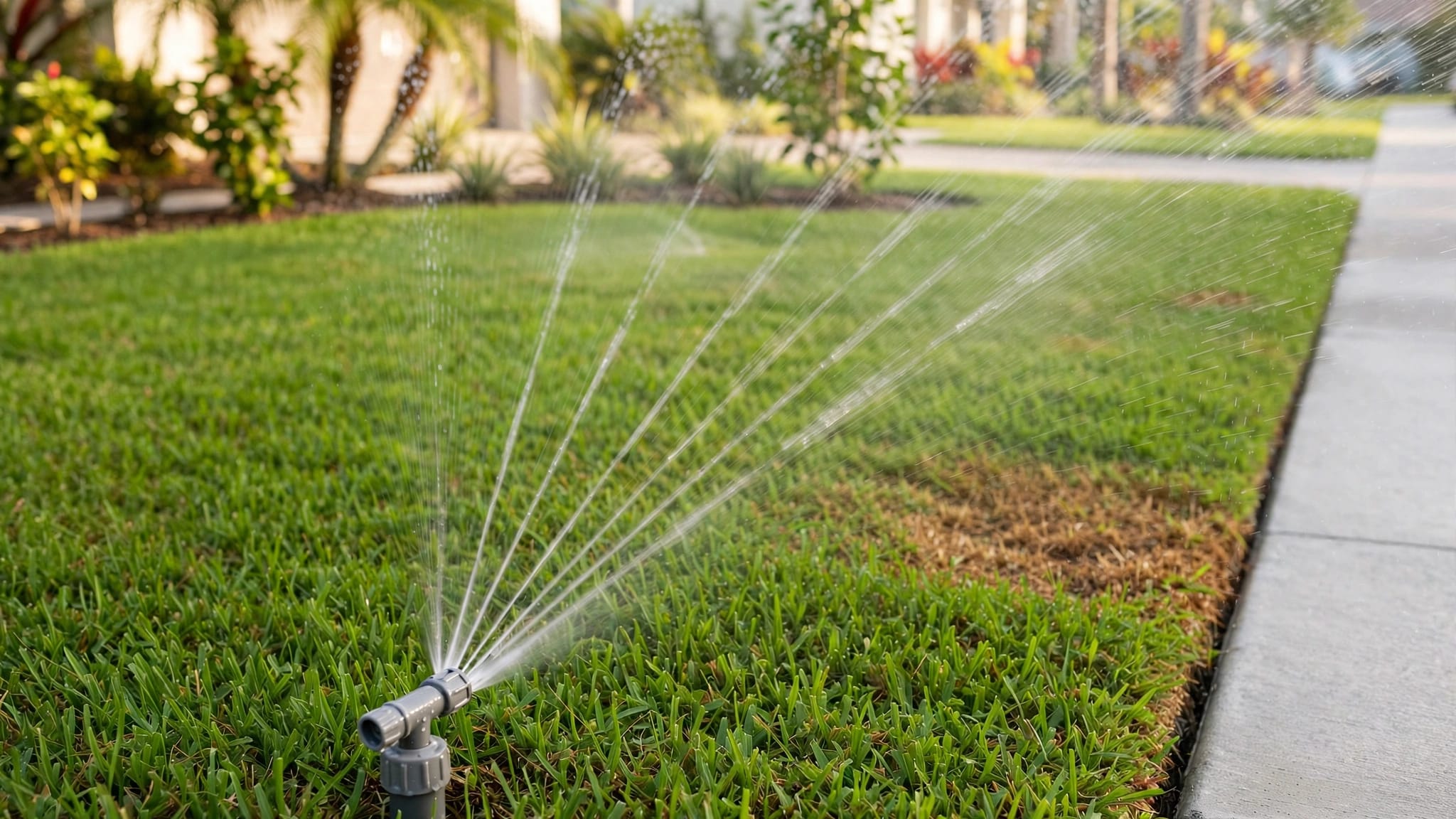
- Water in cycles: Run irrigation long enough to wet the root zone, pause to let it soak, then run again. This reduces runoff on compacted spots.
- Keep water on your property: Aim sprinklers away from sidewalks and driveways, and fix overspray. Dripping into the gutter is where problems start.
- Don’t fertilize right before leaching: You’ll wash nutrients out before plants can use them.
- Adjust the source if possible: If you’re on reclaimed water and plants are sensitive, consider micro-irrigation in beds to keep salts off foliage and reduce total water.
UF/IFAS explains how irrigation choices affect nutrient loss (and what to do instead) in Managing landscape irrigation to avoid soil and nutrient losses. That’s especially important in Cape Coral where storm drains and canals are close.
If your yard holds water in the rainy season but dries out fast later, drainage and grading may be part of the salt story too. Standing water can concentrate salts as it evaporates. In that case, a solution like French drain installation services in Cape Coral can protect planting zones and hardscapes.
Feed low-nutrient soil without creating runoff
Cape Coral sand doesn’t store nutrients well, so “one big fertilizer app” often backfires. A steadier plan keeps plants greener and waterways safer.
- Choose slow-release: Look for a labeled slow-release fertilizer appropriate for landscape plants, and follow the label rate.
- Use smaller doses: Light, repeated feeding (when allowed and needed) beats heavy applications.
- Spot-treat problem plants: If only one shrub is yellow, don’t blanket the whole yard.
- Mind the edges: Keep fertilizer off driveways, pavers, and sidewalks. Sweep granules back into the bed.
This is also where smart design helps. If you’re planning new beds, consider drought-tolerant, Florida-friendly plant choices that need less feeding long-term. For ideas that fit Cape Coral conditions, see Florida-friendly landscaping ideas for Cape Coral homes.
Don’t forget the “built environment” around the soil
Soil problems show up faster when hardscape and maintenance habits add stress. A few examples:
- If you hire a concrete company for a new slab or driveway extension, ask about grading so water doesn’t sheet-flow into planting beds and strip them out.
- If you have pavers, routine paver cleaning should avoid blasting joint sand into beds and canals. Contain rinse water on-site when possible.
- If your lawn struggles no matter what, artifical turf can be a practical option in small areas where sand, shade, and irrigation limits make grass a constant fight.
For inspiration on what’s possible when the whole yard plan is coordinated (plants, irrigation, and hardscape), browse the Outdoor Life Pros portfolio of Cape Coral projects.
Conclusion
Cape Coral gardening gets easier when you treat the soil like a system, not a mystery. Improve Cape Coral soil with compost and mulch so it holds water, manage salts with careful cycle watering that stays on your property, and feed plants with slow-release nutrients in smaller amounts. Your plants grow better, and our waterways stay cleaner.
If your yard has stubborn trouble spots, start with a soil test and fix the root cause first, then plant with confidence.