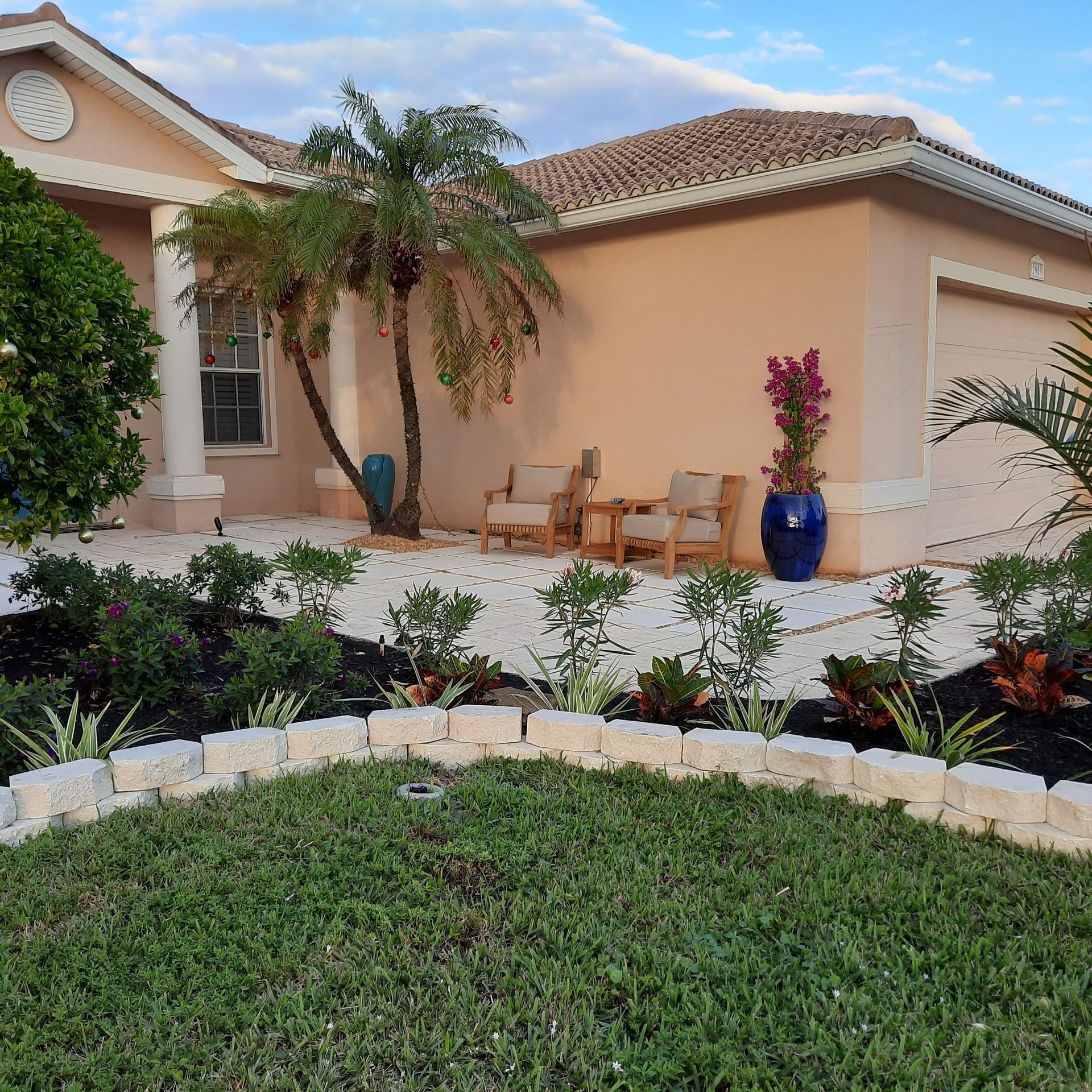



Mulch Installation Cost in Cape Coral, FL (pine bark vs cypress vs melaleuca, depth, refresh timing)
Fresh mulch is one of the fastest ways to make a Cape Coral yard look "finished." It also helps your plants handle heat, wind, and sandy soil. The tricky part is pinning down mulch installation cost when bids don't look anything alike.
This guide breaks down realistic 2026 installed price ranges in Cape Coral, then compares pine bark, cypress, and melaleuca. You'll also get the right depth, a simple yardage formula, and a refresh schedule that fits Southwest Florida weather.
2026 mulch installation cost in Cape Coral: what you're really paying for
In Cape Coral, most professional mulch installs price out by the cubic yard, then get adjusted for access, prep, and cleanup. For 2026, a practical planning range for installed mulch is $77 to $94 per cubic yard , including delivery and spreading (typical residential jobs). That lines up with broader 2026 cost reporting, but local job totals can swing based on how much bed space you have and how much old mulch needs removal. For national context on installed pricing benchmarks, see LawnStarter's update on mulch cost in 2026.
Here are realistic Cape Coral project totals with common assumptions (2 to 3 inch depth, bulk mulch, basic bed blowout and leveling, standard wheelbarrow access):
- Small touch-ups (front beds, a few islands) : $250 to $600
- Medium install (typical single-family beds) : $600 to $1,200
- Full refresh (most beds, heavier top-off or partial replacement) : $1,200 to $3,000
- Large properties or commercial frontage : $3,000 to $5,000+
So what changes the price the most? It usually comes down to three things:
- Prep work : Pulling weeds, raking out matted mulch, or hauling away old material adds labor.
- Access : Tight side yards, fences, and soft turf slow the crew down.
- Bed edges : Strong borders reduce washout, but edging or curbing adds cost.
If you're bundling upgrades, mulch often gets installed near the end of a bigger landscaping plan. If you want a clearer idea of how contractors sequence work around beds, turf, and hardscape, this guide on the Cape Coral landscape installation process helps you compare apples to apples.
Pine bark vs cypress vs melaleuca in SWFL (cost, washout, and sustainability)

Photo by Greta Hoffman
Cape Coral isn't gentle on mulch. Summer downpours can float lighter pieces into the lawn, and irrigation overspray can push mulch downhill week after week. If you live near a canal, salty air and brackish spray can also stress plants and fade the "fresh" look faster.
Below is a simple side-by-side comparison for the three most common bulk options homeowners ask about. Ranges reflect typical installed pricing in the Cape Coral market (not bagged retail), assuming a standard delivery and spread.
| Mulch material | Typical installed cost (Cape Coral, 2026) | Typical refresh timing | Notes for Cape Coral yards |
|---|---|---|---|
| Pine bark (nuggets or mini-nuggets) | $75 to $95 per cubic yard | 9 to 15 months | Bark "locks" better than stringy chips, decent in heavy rain, natural color. |
| Cypress (blend, shredded, or bark) | $85 to $110 per cubic yard | 9 to 18 months | Can look great and last, but sustainability depends on sourcing. Ask what it's made from. |
| Melaleuca (tea tree mulch) | $80 to $100 per cubic yard | 10 to 18 months | Often marketed as an alternative to cypress, fibrous texture can resist washout. |
The biggest non-price factor is sustainability. Cypress mulch has a long-running debate in Florida because cypress swamps are sensitive ecosystems. If you like the look, ask your installer where the product comes from and whether it's cypress bark, recycled wood, or whole-tree. Many homeowners choose pine bark or melaleuca to avoid that question.
For Florida-specific best practices on mulch selection and installation, UF/IFAS lays it out clearly in Choosing and Installing Mulches.
In SWFL, "the best mulch" is often the one that stays put after a hard rain and doesn't get piled too deep.
If you're curious about melaleuca products used in Florida, you can also see how it's described by a regional nursery retailer at Wilcox Nursery's melaleuca mulch listing.
Best mulch depth (2 to 3 inches), plus a simple Cape Coral mulch calculator
Most Cape Coral beds do best with 2 to 3 inches of organic mulch. That's thick enough to slow weeds and help the soil hold moisture, but not so thick that it stays soggy around roots. UF/IFAS also cautions against over-mulching, especially in humid climates.
Here's the calculator-style formula you can use before you call for quotes:
Area (sq ft) × depth (inches) ÷ 324 = cubic yards
A quick example: if your beds total 900 sq ft and you want 3 inches of mulch, 900 × 3 ÷ 324 = 8.3 cubic yards (you'd round up based on how low the beds are).
Depth matters even more around trees and palms. Keep mulch pulled back a few inches from trunks and don't build "mulch volcanoes." Those piles hold moisture against bark and invite rot.
Another common Cape Coral concern is pests. Let's clear up two myths:
- Mulch doesn't create termites , but it can hide them and hold moisture. Keep mulch a safe distance from the home's foundation, especially near wood trim.
- Mulch doesn't attract fire ants like bait , but fresh, damp beds can become convenient nesting spots. If you already see mounds, treat first, then mulch.
Also think about runoff. If your beds sit below downspouts or get hammered by irrigation, your install needs a plan to keep mulch in place. A clean bed edge, corrected sprinkler aim, and the right mulch texture can cut displacement a lot. If your irrigation is part of the problem, this local guide to irrigation installation cost in Cape Coral can help you budget a fix before you pay for mulch that washes away.
One more coordination tip: if a concrete company is adding curbing or pads, schedule that first, then mulch last. The same goes for hardscape maintenance. High-pressure paver cleaning can blow mulch into joints, so it's usually smarter to clean and sand first, then refresh mulch after everything dries.
When to refresh mulch in Cape Coral (and how to avoid overbuying)
In Southwest Florida, mulch breaks down faster than many homeowners expect. Heat, rain, and frequent watering speed up decomposition. Instead of a full replacement every time, many homes do better with a "top-off" rhythm.
A simple timing plan that fits Cape Coral:
- Spring to early rainy season (March to June) : Top off thin spots before daily storms start shifting mulch.
- Fall touch-up (October to November) : Even out beds after summer rains and hurricane season.
You might need an extra touch-up if you notice mulch migrating into turf, bare soil showing through, or weeds popping in clusters. Those are usually signs the layer is under 2 inches in places, not that the mulch type "failed."
The money-saving trick is measurement. Once you know your bed square footage, you can buy only what you need to get back to 2 to 3 inches. That keeps your mulch installation cost predictable, and it prevents the too-deep look that can stress plants.
Conclusion
Mulch is like paint on a house, it doesn't fix everything, but it makes the whole yard look sharper. In Cape Coral, the best results come from choosing a mulch that won't float away, installing it at 2 to 3 inches , and refreshing on a simple spring and fall cadence. If you want your beds to stay neat longer, solve runoff and edging issues first, then pay for the mulch you'll actually keep.