


Hurricane Landscaping Prep For Southwest Florida Yards And Beds
When a hurricane watch pops up, your yard can turn into a pile of flying debris fast. The good news is that hurricane landscaping prep is mostly about reducing wind load, securing loose items, and avoiding last-minute choices that hurt plants.
Southwest Florida yards often mix palms, live oak, gumbo limbo, bougainvillea, hibiscus, croton, and citrus. Those plants can ride out storms better when they're maintained the right way, weeks before the weather turns.
Wind-load reduction that doesn't wreck your trees and palms
Wind doesn't "pick on" one plant, it looks for weak points. A heavy canopy, dead limbs, and poor branch structure act like a sail. Start with the highest-risk targets first: trees that can hit your roof, pool cage, or neighbor's fence.
For UF guidance on storm-ready yards, keep this UF experts' major storm landscape tips bookmarked, and review the basics in UF/IFAS hurricane landscaping guidance.
What to prune (and what to avoid) before a storm
Regular structural pruning helps, but heavy pruning right before a storm can stress plants and trigger weak, fast growth later. Plan major work earlier in the season when possible.
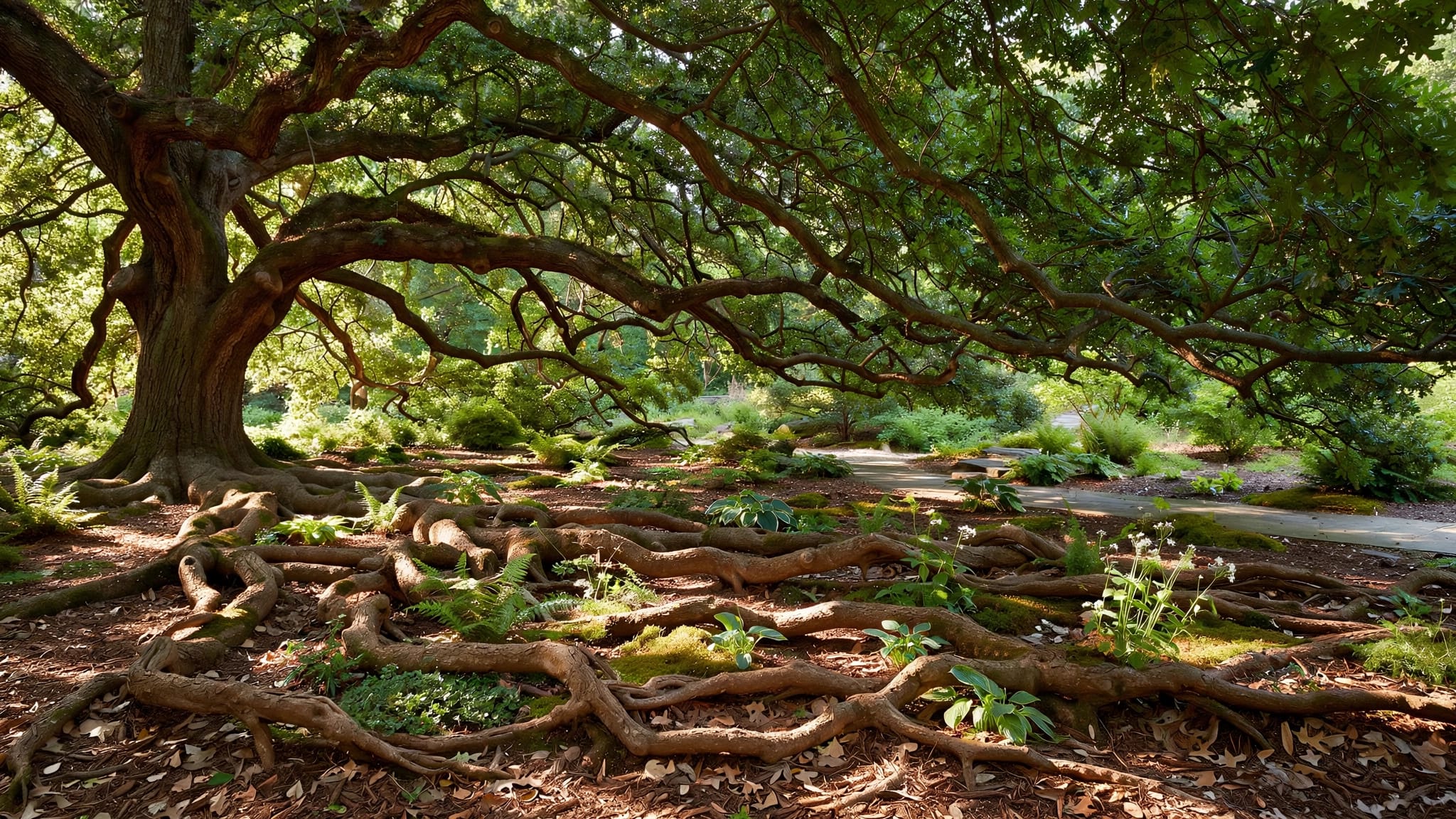
- Live oak : Focus on removing deadwood, rubbing branches, and poorly attached limbs. Don't "lion-tail" by stripping interior branches.
- Gumbo limbo : Remove damaged or crossing branches, keep cuts clean, and avoid drastic shaping.
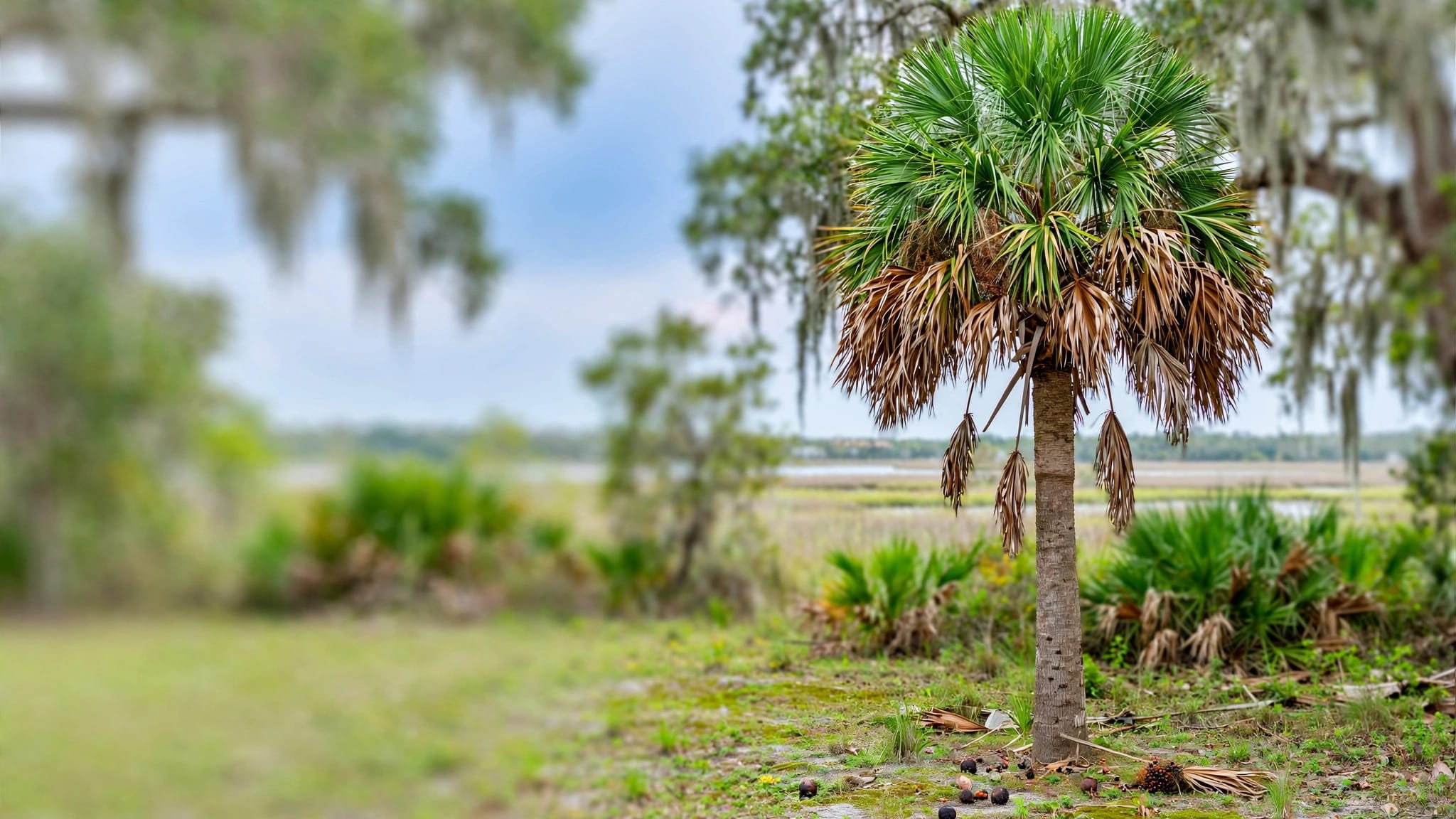
- Palms (areca, foxtail) : Remove only dead or clearly broken fronds. Avoid the "hurricane cut." It can weaken the palm and invite pests.
- Hibiscus and bougainvillea : Lightly thin for airflow, then tie long canes to sturdy supports. Don't scalp them.
If a tree needs a ladder and a chainsaw at the same time, it's usually a sign to call a pro.
When to call an ISA-certified arborist
Call an ISA-certified arborist if you see a trunk crack, a fresh lean, fungus conks, major decay, or large limbs over structures. Also call if pruning requires rigging or work near service lines. Wind prep is not the moment to learn saw skills.
Safety-forward tool rules for homeowners
A few simple habits prevent the most common injuries:
- Keep chainsaw cuts below shoulder height , and never cut from a ladder.
- Wear eye protection and hearing protection, plus gloves and closed-toe shoes.
- Stop when you're tired, because fatigue causes rushed cuts.
Contractor red flags to watch
Storm season brings "drive-by" crews. Be picky.
- They suggest topping or extreme canopy stripping as "hurricane proofing."
- No proof of insurance , or they won't put scope and cleanup in writing.
- Cash-only pressure and vague pricing.
- They can't explain how cuts reduce wind load without harming the tree.
Beds, pots, and hard surfaces: keep small things from becoming projectiles
Think of your planting beds like a desk in a wind tunnel. Light items lift first, then bigger pieces start to move. A calm, tidy bed layout reduces that chain reaction.
Stake tall perennials and brace young plants
Croton, hibiscus, and new palms often fail at the root ball, not the trunk. Use soft ties that won't girdle stems. For young trees, use two or three stakes with wide straps, and leave slight movement so roots strengthen.
Raised beds need extra attention because water can undercut them. Tighten corner brackets, re-seat loose boards, and add temporary bracing if the bed wobbles.
Stop mulch from blowing into the pool and lanai
Fresh mulch looks great, then it ends up in your screen cage. Aim for 2 to 3 inches in most beds. Too deep can hold moisture and stress roots after heavy rain.
Heavier, chunkier mulch tends to stay put better than fine shreds. If a storm is coming soon, skip a fresh top-off that week. Also rake mulch back from the base of palms and trees to limit rot when beds saturate.
Edging is another weak point. Re-seat plastic edging, add stakes, and reset loose paver borders so they don't pop out under runoff.
Secure pots, decor, and garden hardware
Move lightweight pots into the garage or a sheltered corner. For large planters you can't move, lower their profile:
- Pull tall stakes and tomato cages.
- Remove hanging baskets and shepherd hooks.
- Cluster heavy pots together and tie them to a solid anchor if needed.
Hardscape and drainage quick wins (pavers, concrete, and turf)
Walk your property and look for trip hazards, lifted pavers, and low spots that pond. If you're scheduling repairs, coordinating with a concrete company can help stabilize slabs, add proper slope, and reduce washout near walkways. Local options are outlined here: concrete contractor Cape Coral.
If your patio or driveway gets slick with algae, schedule paver cleaning well before the season, not the day before landfall. You want time for joints to dry and stabilize.
Considering artifical turf for muddy side yards? It can reduce soil splash and bare spots, but the base and drainage matter most. Compare realistic expectations and build details in artificial turf installation costs Cape Coral.
Flood, surge, and salt: protect roots now, recover smarter later
Wind is only half the story in Southwest Florida. Prolonged saturation and brackish water can take out healthy plants days after the storm.
Salt exposure and rinsing basics
Salt spray burns foliage like a chemical scorch. As soon as it's safe and local water guidance allows, rinse leaves with fresh water to remove residue. Naples Botanical Garden shares practical reminders in tips to heal salt and wind damage.
For beds hit by surge, flushing salts takes time. Apply slow, deep irrigation after soils begin to drain again, rather than keeping everything constantly wet.
Gypsum sometimes gets mentioned for salty soils, but it's not a magic fix. It can help in certain soil conditions, yet it's easy to waste money if salinity and soil chemistry aren't measured first. When in doubt, get a soil test through Extension and treat based on results.
Prevent root rot after saturation
Roots need oxygen. If water stands for days, even tough palms and shrubs can decline. Once the ground is workable:
- Pull mulch back from trunks and crowns to dry the base.
- Clear silt that smothers turf and bed surfaces.
- Hold off on heavy fertilizer until new growth resumes.
Printable hurricane landscaping prep checklist
Print and keep this with your storm supplies.
- Bring in or anchor pots, decor, trellises, and garden tools
- Tie up bougainvillea and stake tall perennials
- Remove dead palm fronds only, avoid over-trimming
- Clear gutters and swales, open drainage paths away from beds
- Turn irrigation to off, then set a reminder to inspect it post-storm
- Photograph your yard layout for replanting reference
- Schedule pro help early for large trees or risky limbs
Post-storm yard recovery plan (24 hours, week 1, month 1)
Use this as a calm, step-by-step reset.
First 24 hours: Stay clear of downed lines and unstable trees. Drag small debris to a safe pile, and don't run a chainsaw in tangled branches. Rinse salt off foliage if conditions allow.
First week: Prune broken branches with clean cuts, but don't "hard prune" everything that looks ugly. Many plants push new growth later. Reset toppled edging, rake silt off turf, and check for standing water around roots.
First month: Watch for delayed decline, yellowing, leaf drop, and fungus. For trees with major canopy loss, follow a staged restoration approach like Restoring Trees After a Hurricane (UF/IFAS PDF), and plan follow-up pruning over time.
Conclusion
Good hurricane landscaping prep makes your yard less likely to break, blow, or flood in the first place. Focus on smart pruning, secured beds, and drainage that moves water away from roots. After the storm, slow down and make clean, safe cuts, because rushed cleanup often causes the worst damage. If a big tree or damaged hardscape feels beyond your tools, bring in the right pros and protect your home and your yard.