


Concrete Sealing in Cape Coral: When It Helps and When It Doesn't
When homeowners search for concrete sealing Cape Coral , they usually want a simple answer. The truth is more practical than that, because sealer helps in some cases and does almost nothing in others.
Cape Coral heat, rain, humidity, and irrigation all work on concrete year after year. So before you spend money, it helps to know when sealing is smart, when it is a waste, and when a local concrete company should look at the slab first.
Why Cape Coral concrete wears down faster than you expect
Concrete here deals with more than foot traffic. Sun bakes the surface, afternoon rain soaks it, and humidity keeps it damp longer than many homeowners expect. Add sprinklers, mulch beds, and pool water, and stains show up fast.
That is where sealer can help. It slows how fast water and grime soak into the slab. It can also make oil, mud, and leaf stains easier to clean. For a driveway or patio that still has a solid structure, that is a real benefit.
However, sealer does not make weak concrete strong. If the slab is sinking, badly cracked, or draining the wrong way, the problem is underneath the surface. A Cape Coral concrete contractor can tell you whether sealing is the right move or whether repair should come first.
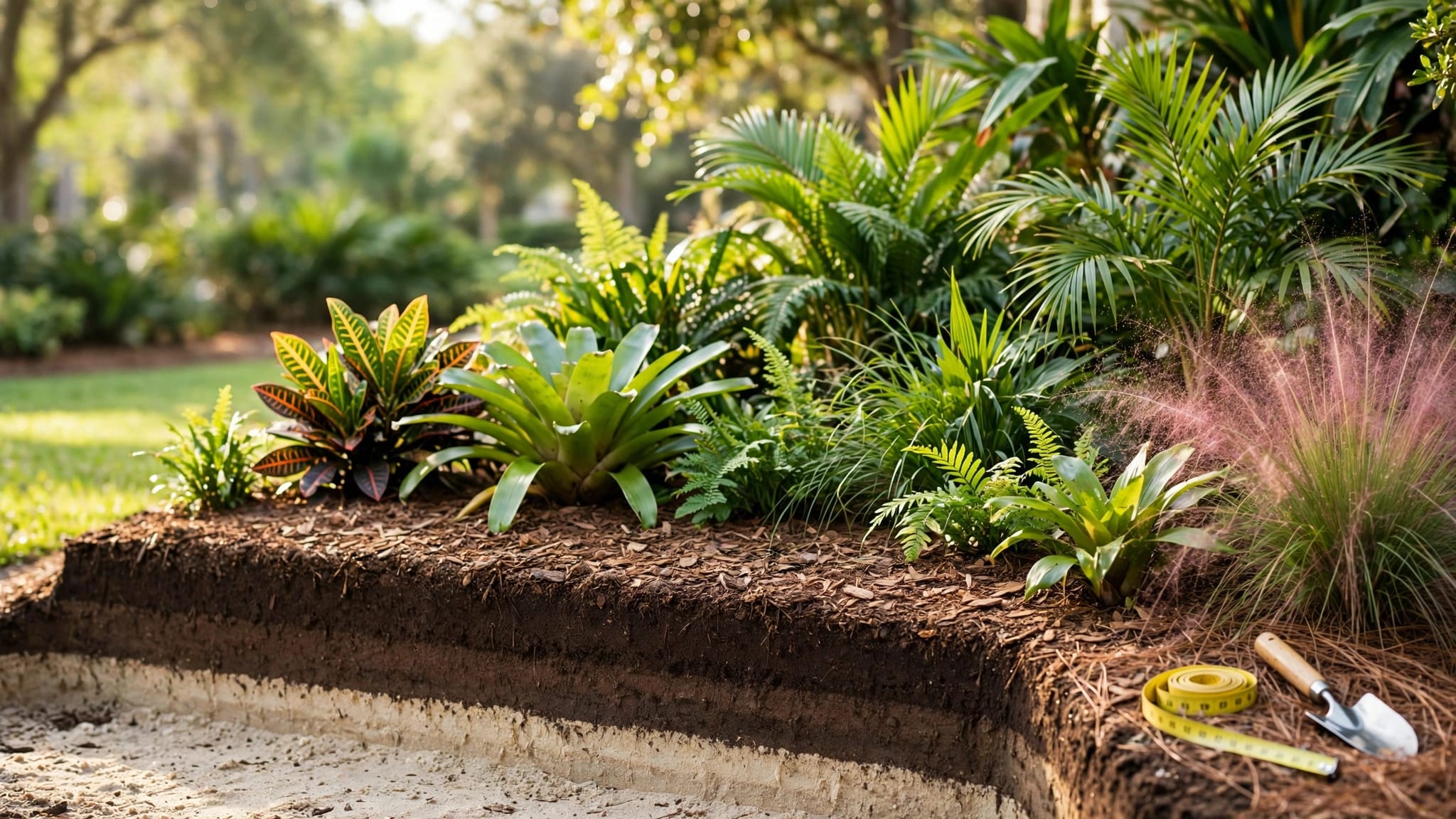
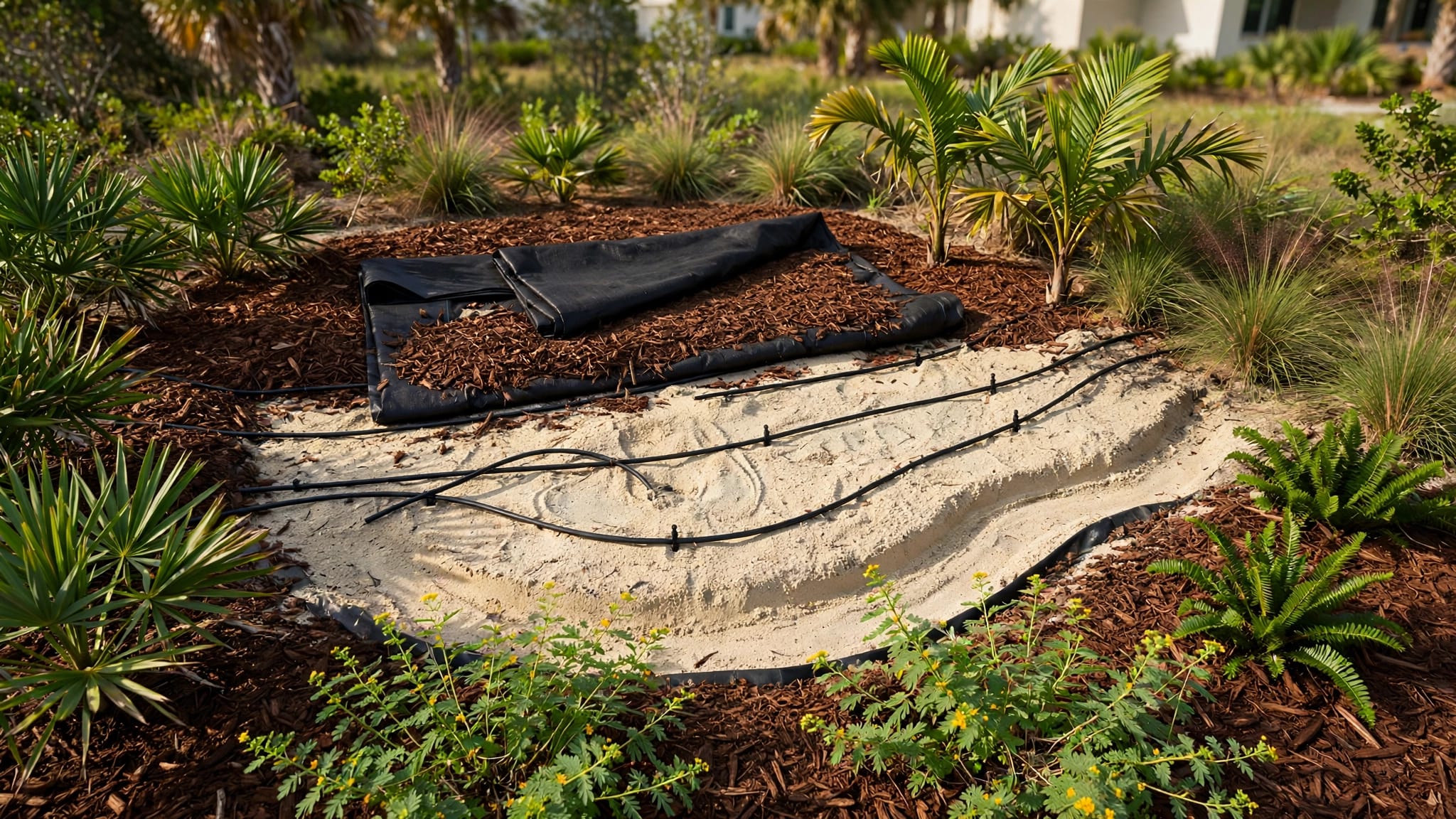
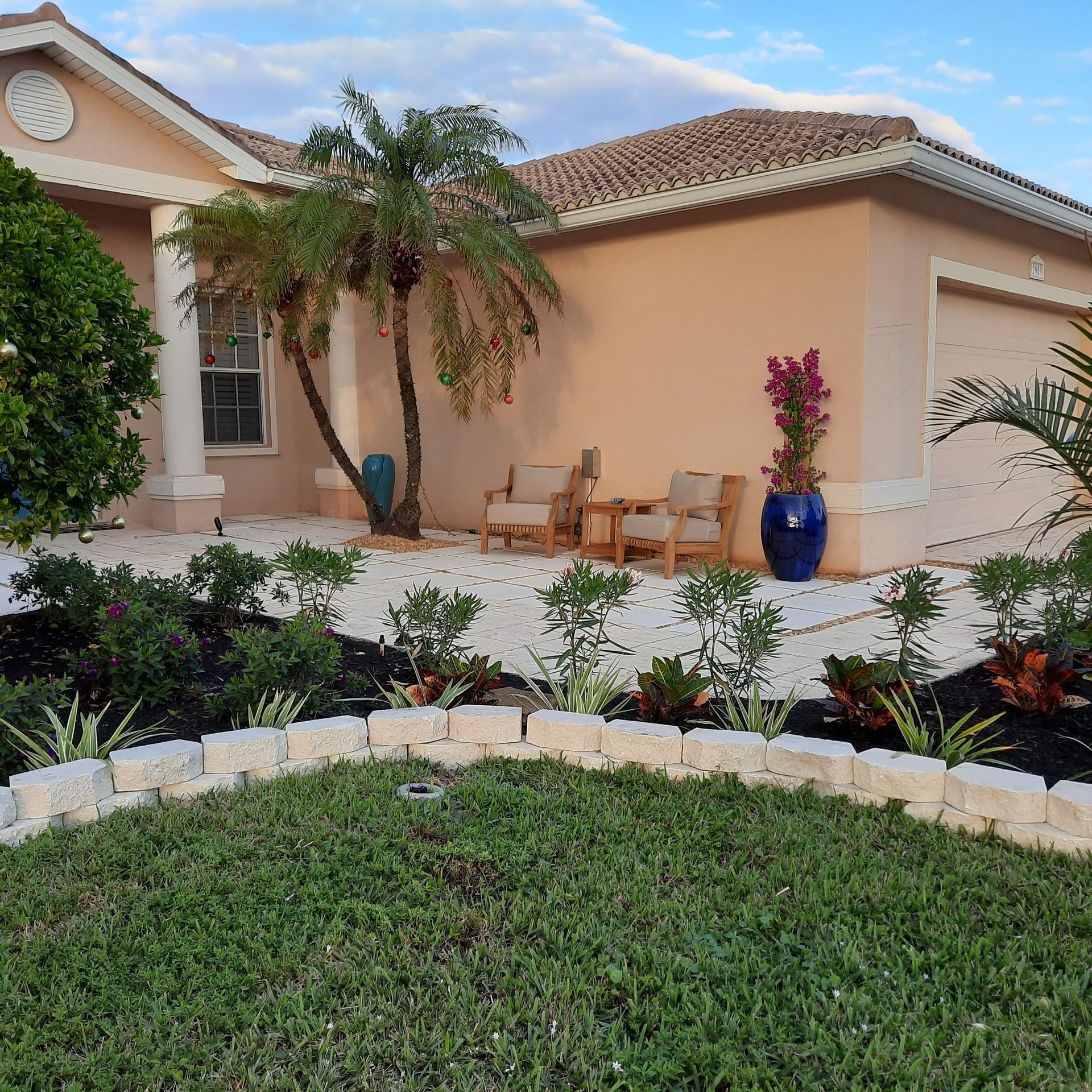
Concrete that sits beside new landscaping or planted beds can also age faster. Water often moves toward those edges, not away from them, so the slab needs a fair surface and a fair slope.
When sealing your concrete pays off
Sealer makes the most sense when the concrete is already in decent shape and you want to protect it. A clean, stable slab is the best candidate.
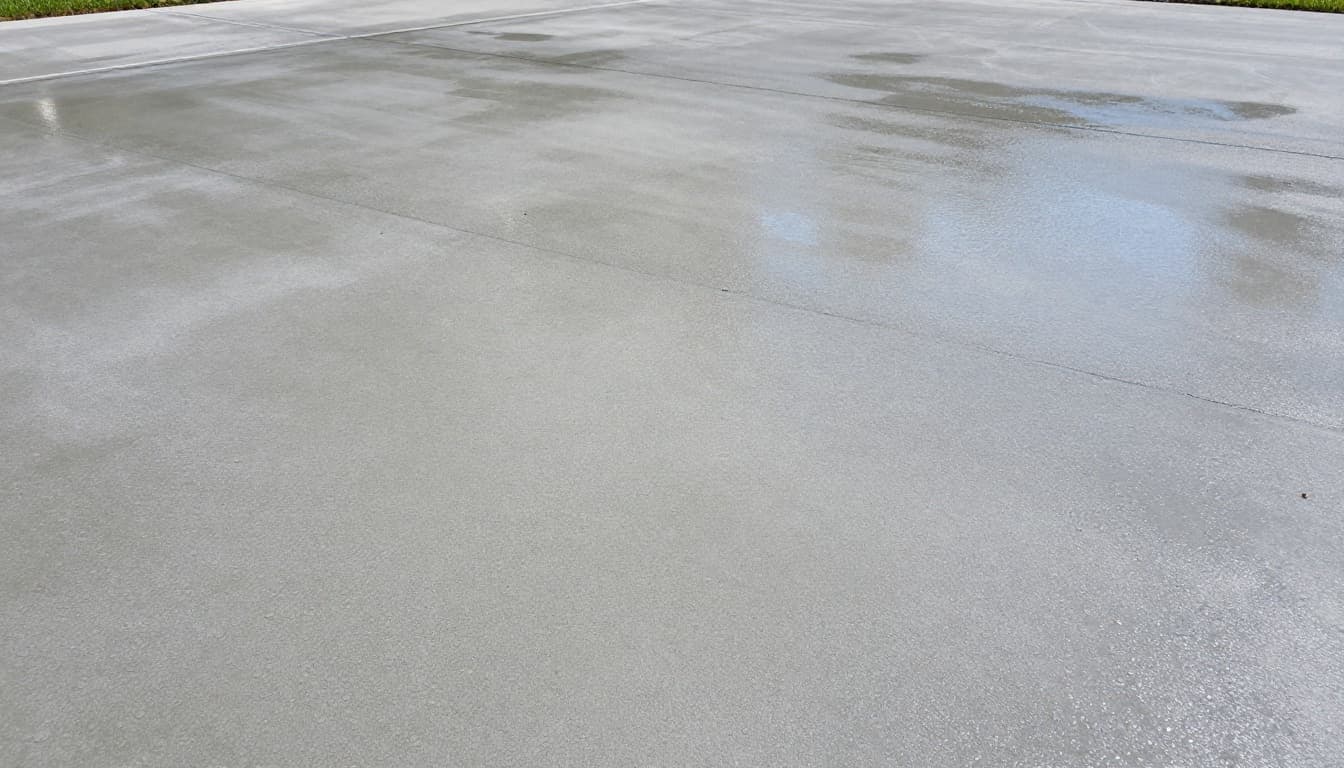
The best results usually come from surfaces like these:
- A new driveway or patio that has fully cured and still looks even.
- Decorative or stamped concrete that you want to keep looking fresh.
- Driveways that pick up oil, rust, leaf tannins, or mud.
- Pool decks and patios that get rinsed often and stay wet longer.
- Slabs beside mulch, irrigation, or busy walkways.
In those situations, sealing is less about fixing a problem and more about slowing down wear. It acts like rain gear for the slab. It does not stop the storm, but it helps the surface take it better.
Sealer can also help keep a cleaner look between washings. That matters if you want the front of the home to look tidy without constant scrubbing. It is also useful when the concrete is part of a larger outdoor plan, because the finished hardscape should match the rest of the yard.
If the surface is decorative, the benefit is even clearer. Color fade, mildew staining, and patchy blotches stand out faster on stamped or colored concrete. A good sealer can help preserve that finish longer.
When sealing won't fix the problem
Some concrete problems sit below the surface. Sealer cannot correct those.
Cracks caused by settlement, shifting soil, or a weak base will come back. Standing water will still stand. A rough, flaking top layer will still flake. If the slab was installed with poor slope or poor compaction, a coating won't undo that work.
Sealer protects a good slab. It doesn't rescue a bad one.
Look at the surface before you buy anything. If you see these signs, repair should come first:
- Cracks that widen after rainy seasons.
- Water that pools for hours after a storm.
- Corners that break off or crumble.
- Sections that move at joints or transitions.
- A dusty surface that keeps shedding fines.
If the cracks run through control joints, the fix may involve joint work instead of full sealing. That is a separate issue from the slab surface itself. Sealing concrete driveway joints in Cape Coral is about keeping movement managed. It does not replace drainage repair or structural patching.
Major spalling also needs a closer look. Once the top layer has broken apart, sealing over it can trap the wrong look and give you a short-lived finish. In that case, cleaning and patching, or sometimes resurfacing, usually make more sense.
Product type and prep matter more than most people think
Two sealers can look similar on the shelf and behave very differently on your slab. That is why the product choice matters as much as the decision to seal in the first place.
Penetrating sealers soak into the concrete and keep a more natural look. They work well when you want protection without a glossy film. Film-forming sealers sit closer to the top and can add sheen. They may look great at first, but they need the right surface and the right care.
The wrong product can create haze, peeling, or a slick finish that does not belong on a driveway. A wet-looking patio may appeal to some homeowners, but it is not always the best match for heavy use or direct sun.
Prep matters too. Concrete needs to be cleaned, dry, and free of loose material before any sealer goes down. Old failed sealer has to be removed. Oil spots, algae, and dust can block the new coat from bonding well.
If your outdoor space includes both concrete and pavers, the prep work changes again. Paver cleaning comes first, because dirt, old sand, and failing joint material can affect the whole area. For a separate comparison on that work, paver cleaning and resealing costs in Cape Coral can help you see how the job differs from concrete sealing.
A simple way to decide before you spend money
A quick inspection usually tells you a lot. If the slab is solid, clean, and well drained, sealing is often worth it. If the surface is unstable or broken, fixing the base issue comes first.
| Surface condition | Seal it now? | Why |
|---|---|---|
| Clean, sound concrete | Yes | Sealer can block stains and slow moisture. |
| Decorative or stamped finish | Usually yes | Protection helps preserve the look. |
| Hairline cracks only | Maybe | Crack repair may be enough first. |
| Active settling or wide cracks | No | The slab needs repair before sealing. |
| Standing water after rain | No | Drainage has to change first. |
| Peeling or flaking top layer | Not yet | Loose material must be removed or repaired. |
The table keeps the decision simple. Good concrete can benefit from sealer, but damaged concrete needs a fix that reaches below the top layer.
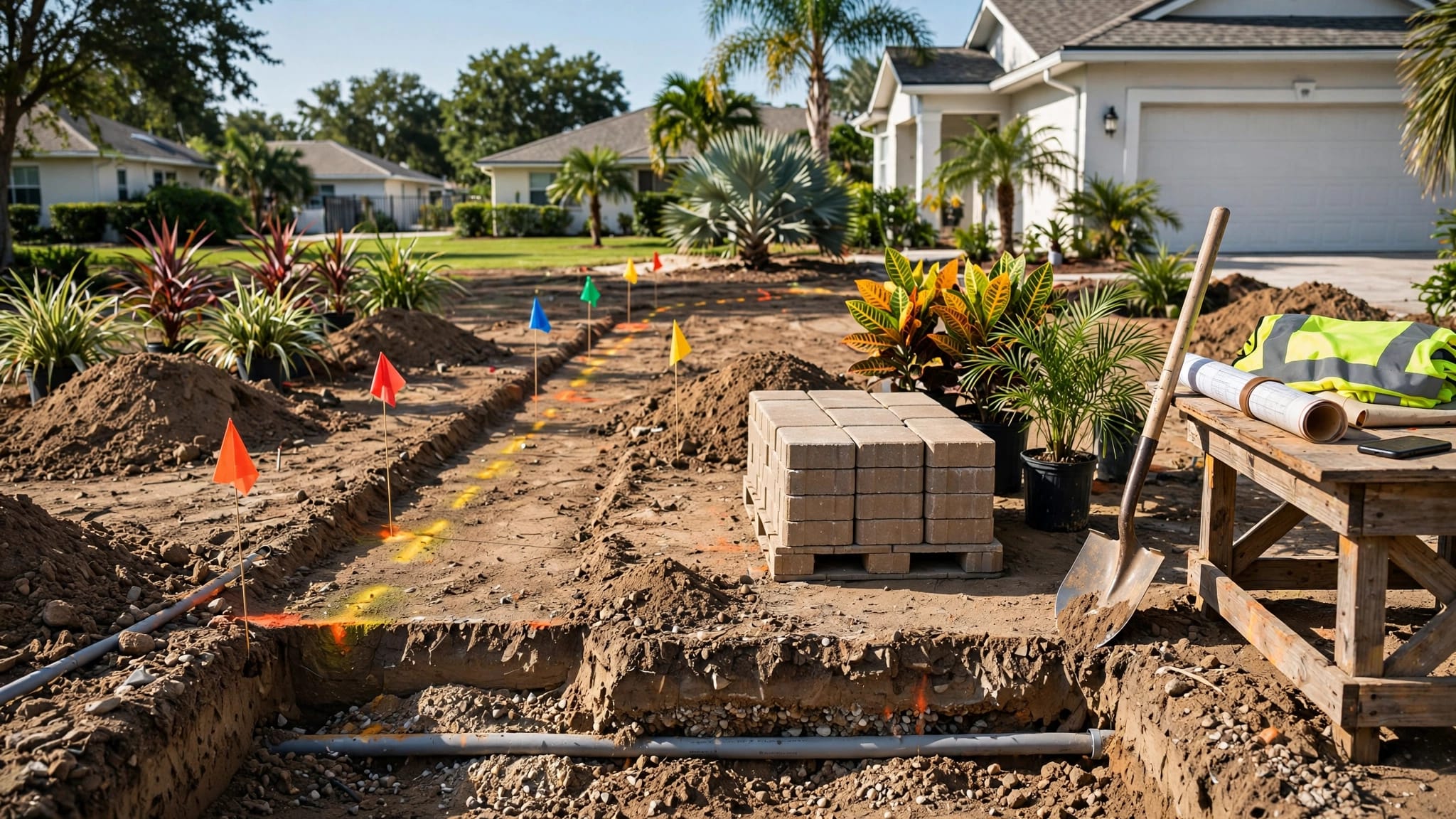
That same thinking applies when the project also includes landscaping or artifical turf. If the grading changes, the water path changes too. In those cases, it helps to look at the whole yard, not just the slab. A project that includes artificial grass installation in Cape Coral should still account for runoff, edge detail, and low spots.
Conclusion
Concrete sealing in Cape Coral works best as maintenance, not rescue. It helps a sound slab resist stains, moisture, and everyday wear, but it cannot correct settling, poor drainage, or major surface damage.
The smartest choice is to match the product to the surface and fix problems before sealing. When the concrete is in good shape, sealer is useful. When the slab is failing, it is only a temporary cover on a deeper issue.