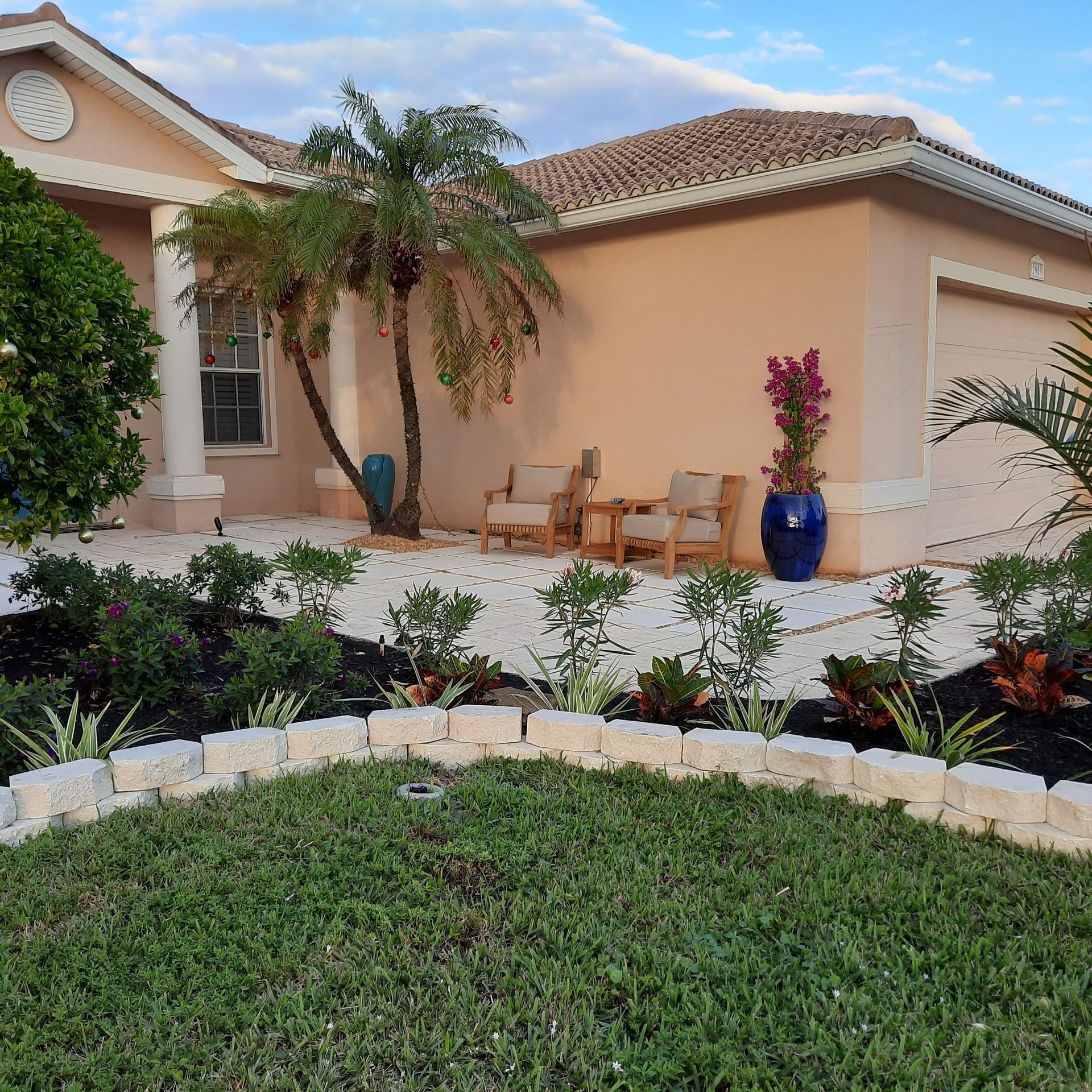



Best Ground Covers for Cape Coral Full-Sun Yards
Bare sand and patchy grass can make a Cape Coral yard look unfinished fast. The sun is strong, the soil drains quickly, and reflected heat from driveways and patios can cook weak plants by mid-summer.
The best Cape Coral ground covers do more than fill space. They help with weed suppression , slow erosion, and keep the yard looking clean with less watering.
If your property gets full sun all day, you need plants that can take heat, wind, and sandy soil without constant rescue work. That starts with choosing the right cover for the right spot.
Why Cape Coral full-sun yards need tougher ground cover
Cape Coral yards are hard on plants for a few simple reasons. Sand holds little moisture, rain can run off fast, and summer heat can feel relentless after noon. Add salt spray near the coast, and the wrong plant starts to thin out or fail.
That is why ground cover choice matters so much in local landscaping . A plant that looks fine in a cooler, richer yard can turn into a weak mat here. In contrast, the right plant spreads, shades the soil, and helps keep weeds from taking over.
The edges matter too. If a concrete company has poured a driveway, patio, or border, the nearby soil often gets hotter and drier. Ground cover near those surfaces needs extra heat tolerance and steady root growth. It also needs to handle runoff without washing away.
For homeowners planning a bigger front-yard refresh, it helps to think about layout first. A quick look at front yard landscaping costs in Cape Coral can make the plant list easier to narrow down.
In Cape Coral, the best ground cover is the one that stays useful after the first hot season, not just the one that looks nice on planting day.
Best ground covers that hold up in full sun
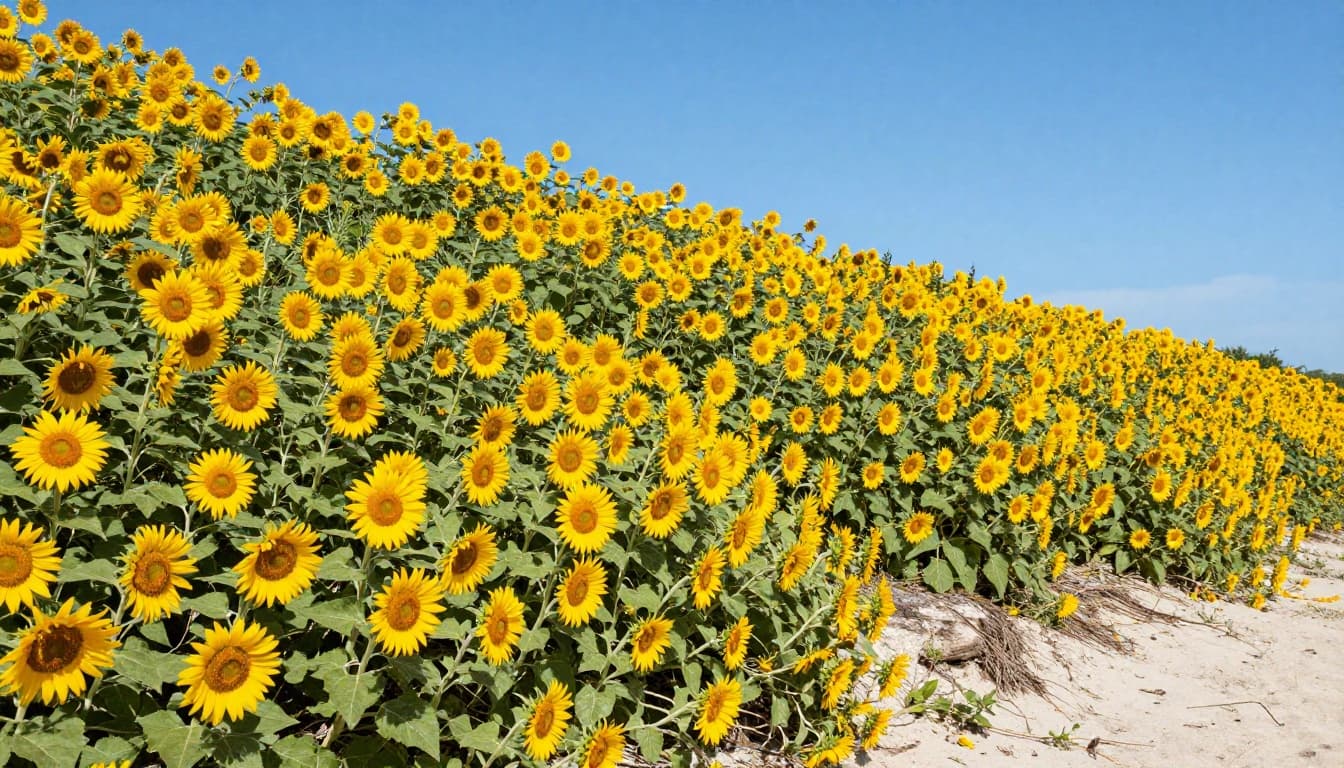
The table below gives a quick side-by-side look at the strongest options for Cape Coral.
| Ground cover | Best strengths | Best use in Cape Coral | Notes |
|---|---|---|---|
| Beach sunflower | Full sun, salt spray, erosion control | Slopes, open beds, bare edges | Native, bright flowers, spreads quickly |
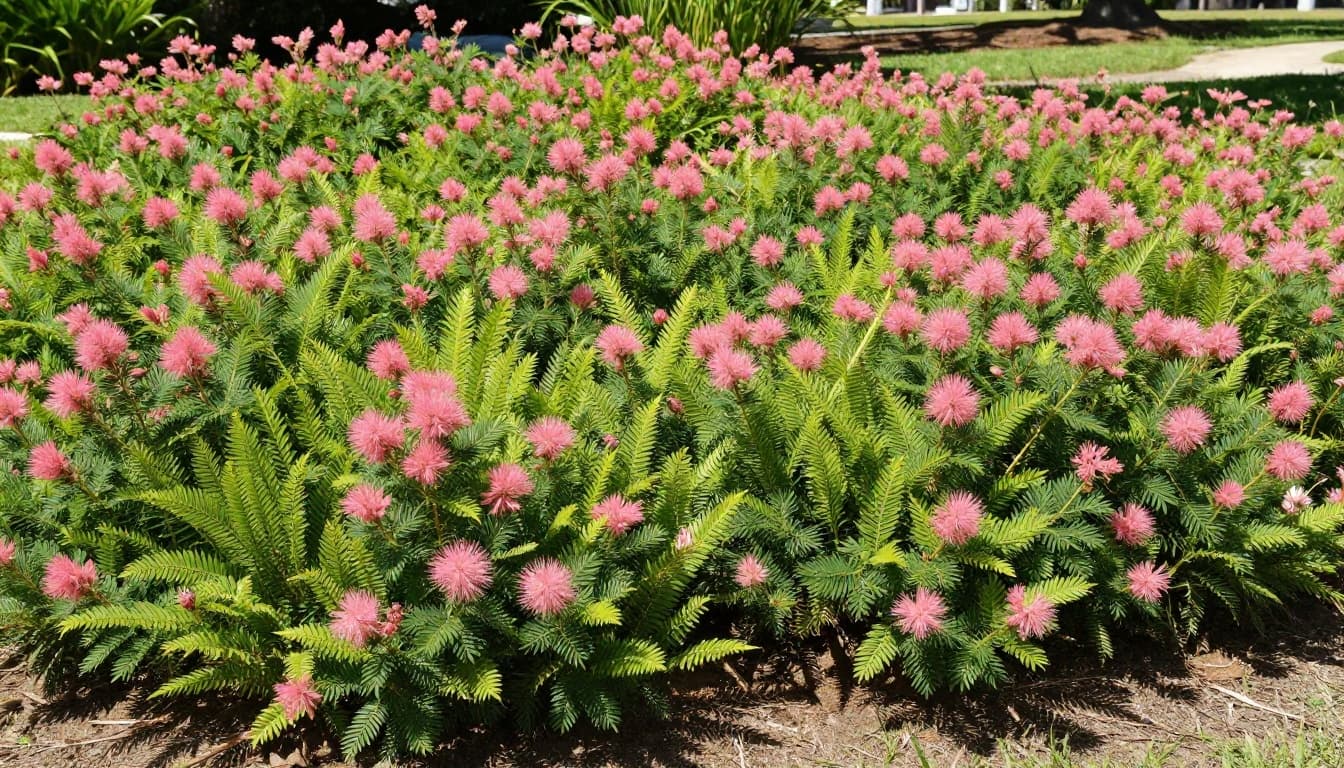
| Sunshine mimosa | Mowable, light foot traffic, sandy soil | Lawn-like strips, side yards | Native, low once established |
| Golden creeper | Heat, drought, salt spray | Coastal borders, dry edges | Excellent sand binder |
| Beach verbena | Spreading habit, flowering color | Sunny borders, low beds | Fills in over time |
| Sea purslane | Heat, reflected light, dry soil | Driveway edges, hot strips | Succulent look, low water needs |
| Seashore dropseed | Salt, sand, drought | Walkways, medians, open drifts | Clumping grass, tidy texture |
| Asiatic jasmine | Dense evergreen cover, easy fill-in | Protected beds, clean carpet look | Widely used, noninvasive ornamental |
The takeaway is simple. If you need erosion control, beach sunflower and golden creeper are strong picks. If you want a softer lawn substitute, sunshine mimosa does the job better than most people expect.
For local plant references, UF/IFAS has a helpful native plant guide that lines up well with Southwest Florida conditions. The beach sunflower fact sheet also shows why it performs so well in heat, sand, and salt spray.
Native choices that do the heavy lifting
Beach sunflower is one of the best matches for Cape Coral. It loves full sun, handles salt spray, and spreads fast enough to cover open sand. It also looks good almost year-round when it isn't overwatered.
Sunshine mimosa gives you a different feel. It forms a soft mat, tolerates some foot traffic, and can be mowed if you want a lower profile. That makes it a smart pick for side yards and narrow spaces where grass keeps failing.
Golden creeper is a quiet workhorse. It binds sand well and handles coastal conditions without much fuss. If your yard gets wind and salty air, it earns its place.
Beach verbena is good when you want color with low water use. It spreads along the ground and adds a lighter, more open look to sunny borders. For a plant-by-plant look at this type of material, the UF/IFAS beach verbena fact sheet is worth a read.
Sea purslane and seashore dropseed both do well in hot, exposed spots. Sea purslane handles reflected heat near pavement. Seashore dropseed works well when you want a natural look with less mowing and less fuss.
When a nonnative ornamental makes sense
Asiatic jasmine is popular for a reason. It fills in fast, stays evergreen, and gives a neat carpet effect that many homeowners like. It is not the first choice for exposed salt-heavy corners, but it can work well in protected beds and interior foundation plantings.
It also pairs well with clean hardscape lines. If you want a polished look around pavers or a front entry, it can create a simple edge without looking messy.
How to choose the right cover for your yard
The best choice depends on what the space needs to do.
If the area slopes or washes out after storms, pick something that grips soil well. Beach sunflower and golden creeper are better than thin ornamental fillers. They spread fast and help hold the edge in place.
If the space gets foot traffic, sunshine mimosa is usually a smarter pick than a fragile flowering mat. It can handle some use, and that matters in side yards, pet paths, and areas near the mailbox.
If the strip bakes beside a driveway or walkway, sea purslane makes sense because it tolerates reflected heat. That same strip might be a bad place for a softer plant that wants more moisture.
If you are comparing a living cover with synthetic options, a small artifical turf zone can make sense in a dog run or narrow side yard. For a Cape Coral project, artificial turf installation costs in Cape Coral gives you a clear idea of the price difference and drainage needs.
Hardscape matters too. If you are still deciding between a patio edge or a wider planted bed, the paver vs concrete patio in Cape Coral comparison can help you plan where a living border will work best.
Plants to skip in Cape Coral full-sun beds
Some plants fail because they are invasive. Others fail because they want shade or more water than this climate can give them.
A few smart no-gos are:
- Cogon grass , because it is aggressive and extremely hard to remove.
- Running bamboo , because it spreads underground and takes over shared spaces fast.
- Mexican petunia , because it escapes beds and spreads where it is not wanted.
- Shade-first ground covers like mondo grass, because they thin out in full sun and need more water.
The rule is simple. If a plant needs cool shade to stay full, it is not a fit for an open Cape Coral front yard.
Making ground cover work with pavers, concrete, and maintenance
Ground cover performs best when the rest of the yard is planned with it. Clean edges, correct drainage, and smart spacing help every plant last longer.
If your yard already has pavers, keep paver cleaning on the schedule. Sand and weeds build up in joints, and that can make the whole border look tired. Clean joints also help the plant line stay crisp.
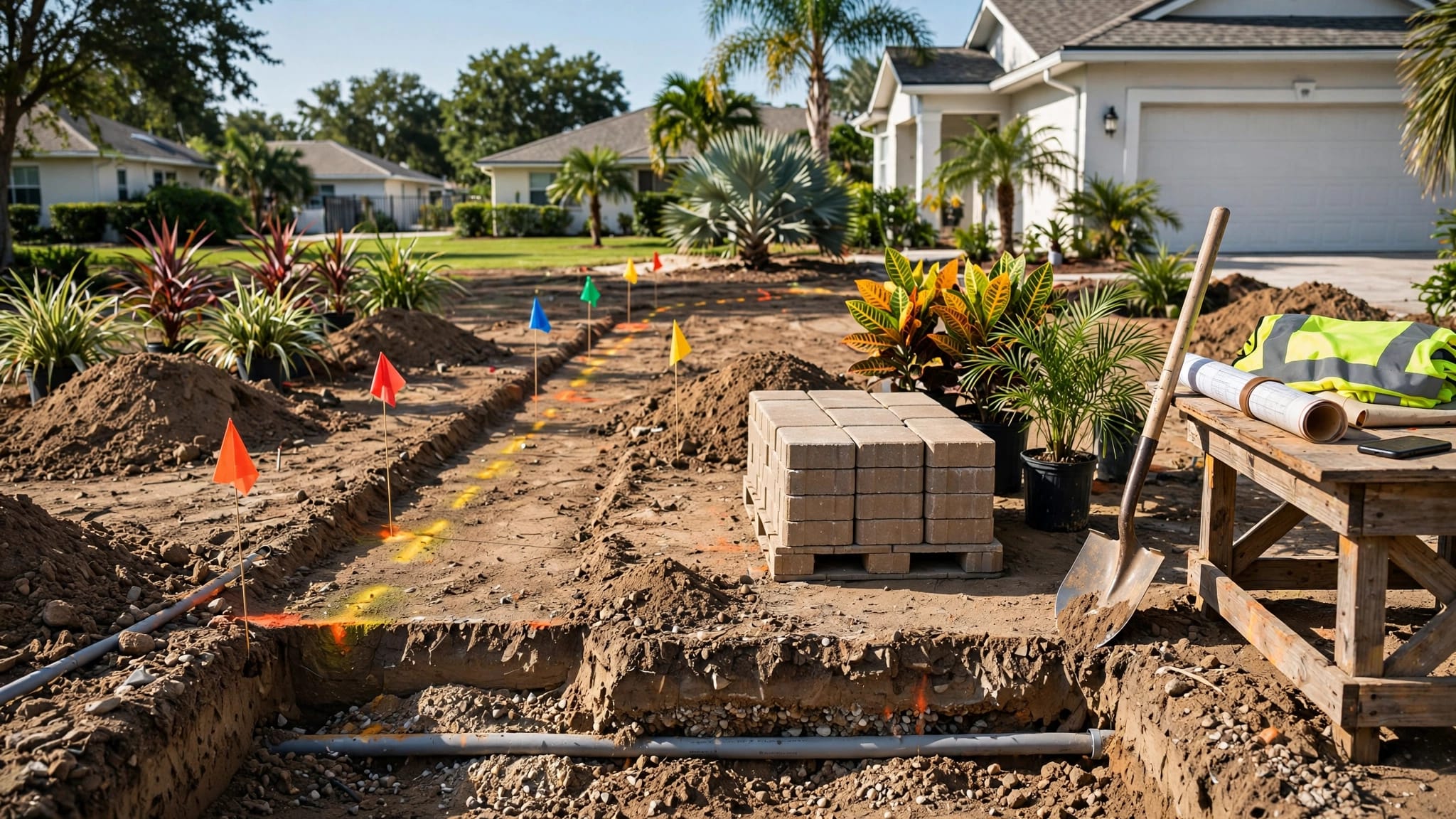
If the project includes a new path, apron, or patio, get the grading right before planting. Water should move away from the house and away from weak bed edges. That matters even more when the same area borders a driveway or slab.
For homeowners who still want some traditional lawn, best sod for Cape Coral yards is useful for deciding where grass still makes sense and where ground cover is the better call.
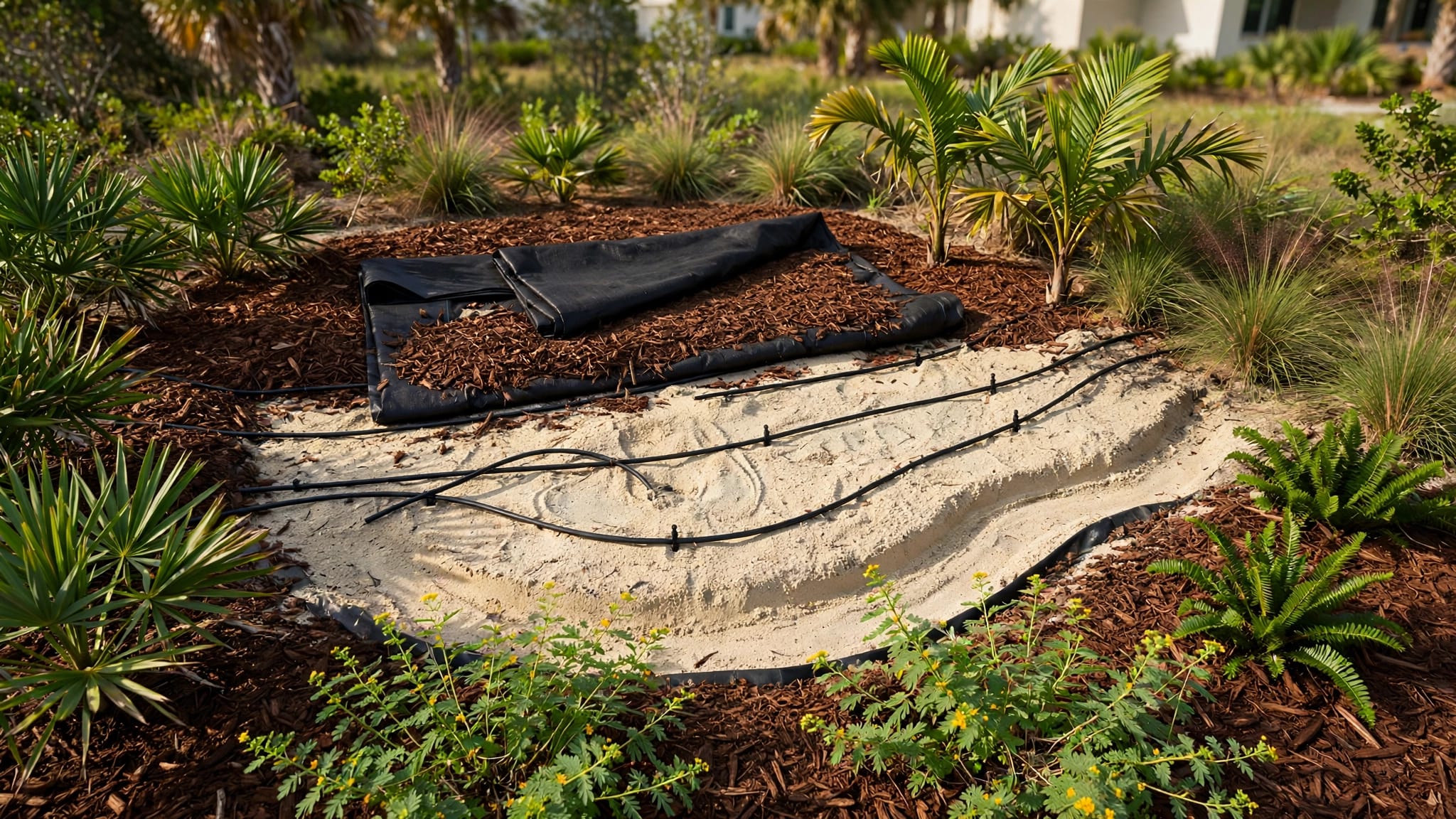
In many yards, the best result comes from mixing materials. Ground cover softens the hardscape, mulch protects the bed while plants fill in, and irrigation stays simple.
Conclusion
Cape Coral full-sun yards need ground cover that can handle sand, salt, heat, and glare. The strongest choices are the ones that stay thick after the first dry stretch, not the ones that only look good in the nursery.
For most homeowners, beach sunflower, sunshine mimosa, golden creeper, and sea purslane give the best mix of curb appeal , low water use, and erosion control. If you want a cleaner ornamental finish, Asiatic jasmine can work in the right spot.
Pick the plant for the job, then let the rest of the yard support it. That is how a bare patch becomes a yard that still looks good in August.