


Clusia vs Podocarpus for Cape Coral Privacy Screens
A privacy screen in Cape Coral has to do more than look good on move-in day. It has to handle heat, humidity, sandy soil, stormy weather, and irrigation that may or may not be perfect.
That is why Clusia vs Podocarpus comes up so often in local landscaping. Both can work, but they solve different problems. One gives you a thicker, fuller wall. The other gives you a slimmer, cleaner line that suits tighter spaces.
How Cape Coral changes the hedge decision
Cape Coral yards are not gentle on plants. The sun is strong, the soil drains fast, and wind can move through a yard with very little warning. Salt influence matters too, especially in more open or coastal-feeling spots.
That means the best hedge is the one that matches the site, not just the one that looks attractive in a nursery row. If your screen sits near a pool cage, a fence, or a side yard with little room to spare, the plant's shape matters as much as its color.
For a broader list of privacy hedge options for Florida homes, these two usually rise to the top. The real choice is about density, width, and how much trimming you want to live with.
A quick side-by-side view makes the tradeoffs easier to see.
| Factor | Clusia | Podocarpus |
|---|---|---|
| Privacy feel | Dense, broad, and wall-like | Slimmer, softer, and more open at first |
| Space use | Needs more width as it matures | Fits tighter beds and narrow strips |
| Coastal exposure | Usually stronger in salt and wind | Better in more sheltered spots |
| Maintenance | Needs width control over time | Needs regular shaping to stay full |
| Best use | Pool cages, back fences, open yards | Side yards, formal lines, narrow lots |
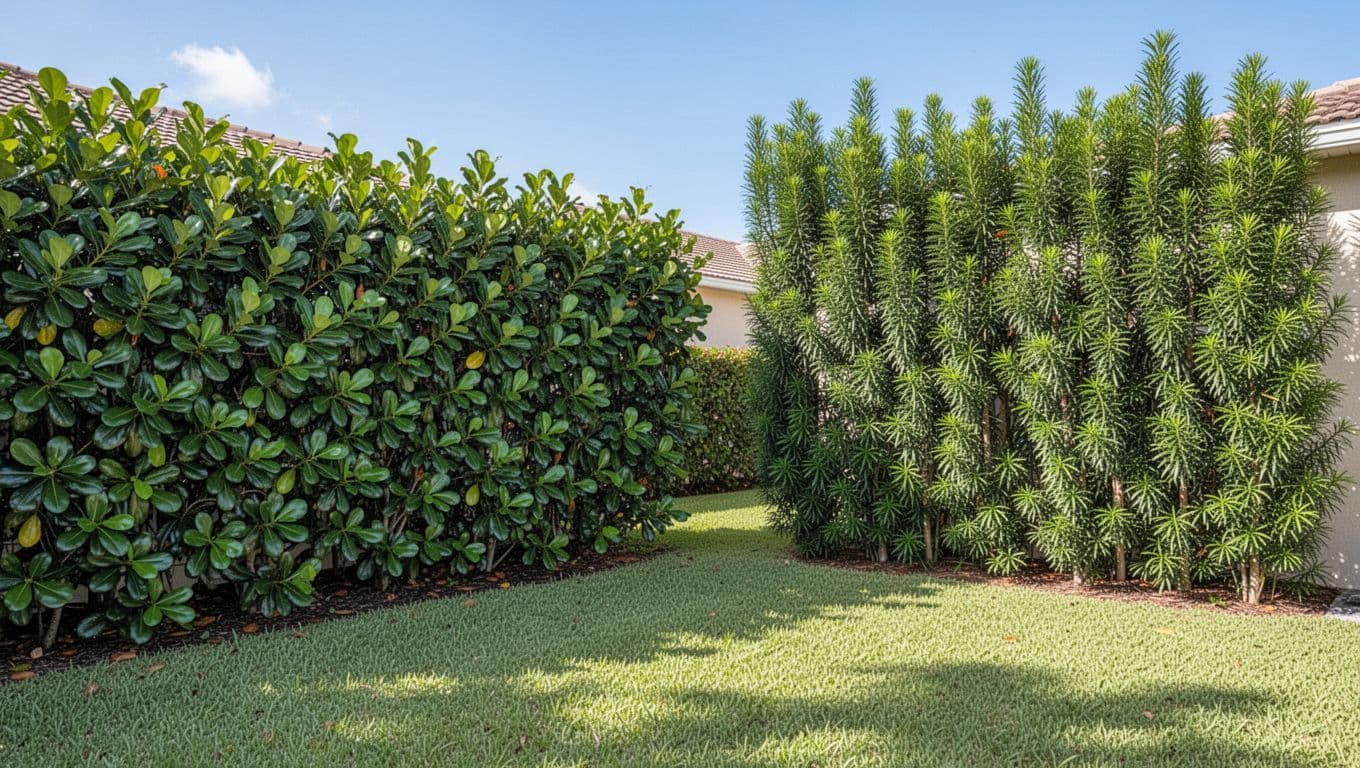
The table makes one thing clear. Clusia is the heavier screen, while Podocarpus is the cleaner fit for tighter geometry.
Why Clusia works so well for a fuller privacy wall
Clusia is often the first pick when privacy is the main goal. Its thick, glossy leaves create a dense look that reads like a living wall once it fills in. In a Cape Coral backyard, that matters when you want to block a neighbor's window, hide a pool cage, or soften a fence line fast.
It also fits the tropical look many homeowners want in Southwest Florida. The plant feels lush without looking fussy, and it handles the local heat better than many hedges people try first.
Clusia tends to make more sense when your yard has room to breathe. If the bed is wide enough, the plant can spread without crowding the walkway or forcing constant cuts back to the same line. That makes it a strong match for larger backyards and open rear property lines.
The tradeoff is width. Clusia can get broad, so it needs a planting bed that gives it room to mature. If the hedge sits too close to a slab, fence, or cage footing, it can become a maintenance chore.
If your design includes a pool cage or a strong backyard focal point, Clusia often delivers the privacy you want with less visual gap. For homeowners who want their screen to feel substantial, it is a very practical choice.
Where Podocarpus fits better
Podocarpus brings a different look. It grows with a slimmer profile, finer texture, and a more formal feel. That makes it useful when you want height without bulk.
On a narrow side yard, Podocarpus usually keeps the path open better than Clusia. It can be trimmed into a neat vertical hedge that feels tidy beside a fence, along a driveway edge, or near a patio where every inch matters.
That cleaner shape is a big reason many homeowners choose it for more polished landscaping. It looks right next to straight paver runs, geometric beds, and homes that favor a refined layout over a tropical wall.
Podocarpus does ask for more attention. It often needs regular shaping so the bottom stays full and the top does not outrun the rest of the plant. If it gets neglected, the hedge can start to look thin or uneven.
Still, that maintenance pays off when space is tight. A narrow lot does not always need the broadest screen. Sometimes it needs the hedge that stays controlled and leaves room for everything else around it.
For homes that want privacy without a heavy footprint, Podocarpus is a smart fit.
Picking the right hedge for your lot and privacy goal
The best choice usually becomes obvious once you think about the yard itself. A deep backyard with a wide planting bed can handle Clusia's spread. A side yard between a house and a fence may need Podocarpus just to stay usable.
Privacy goals matter too. If you want to block direct sightlines fast, Clusia usually wins. If you only need to soften views and keep the line looking formal, Podocarpus can do the job with less bulk.
The hedge that looks perfect from the street can become a trimming chore if the planting bed is too narrow.
That idea matters in Cape Coral, where many lots have pool cages, hardscape edges, and utility paths all competing for space. A hedge should support the yard, not squeeze it.
Think about your maintenance style as well. If you want a fuller screen that grows into a dense backdrop, Clusia is easier to like. If you enjoy a crisp, shaped hedge, Podocarpus gives you that finished look.
A simple way to decide is to ask what you want the hedge to do first. If the answer is "hide everything," Clusia is usually the stronger fit. If the answer is "stay slim, neat, and tall," Podocarpus deserves a close look.
Planting details that matter in Southwest Florida
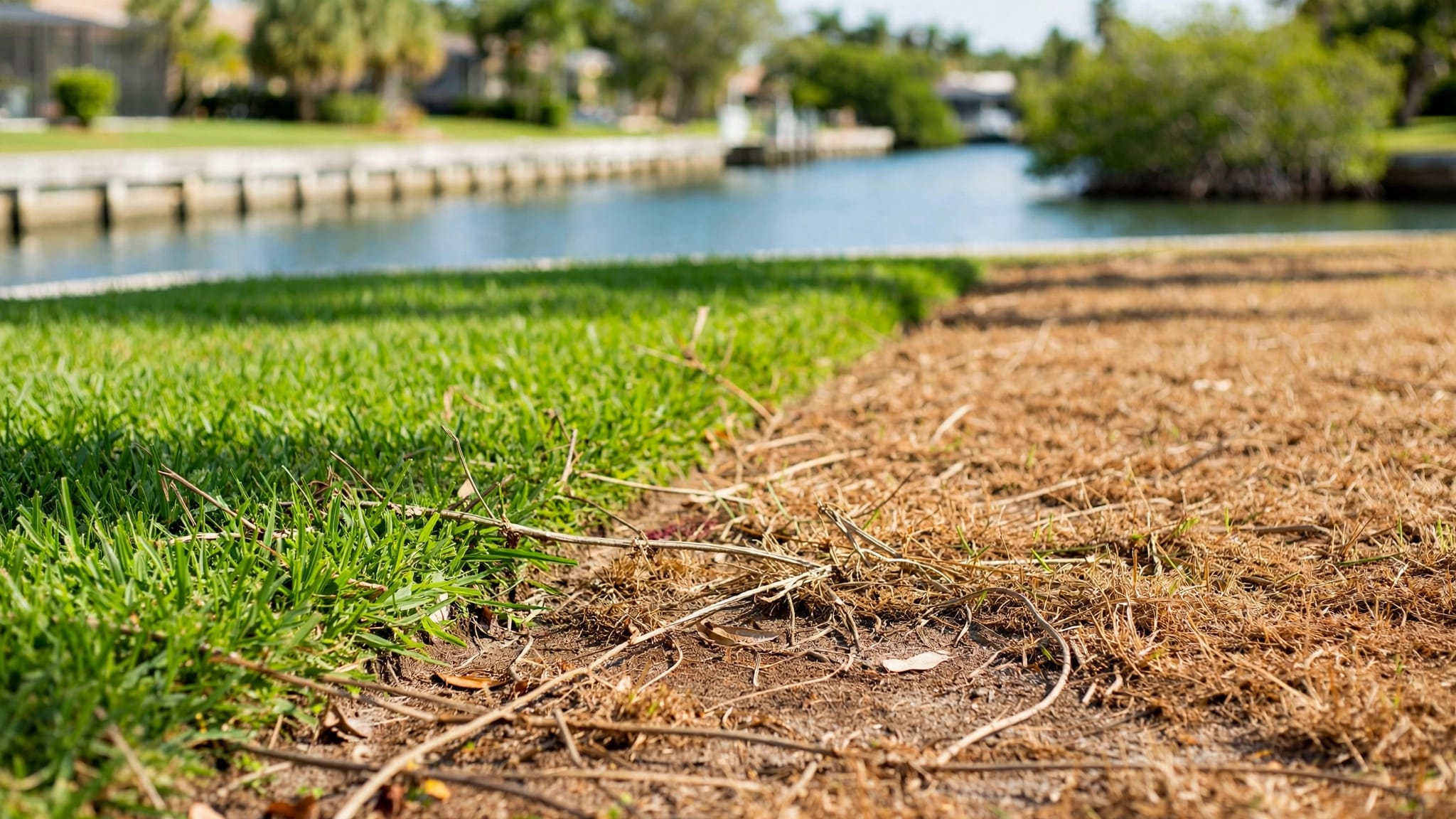
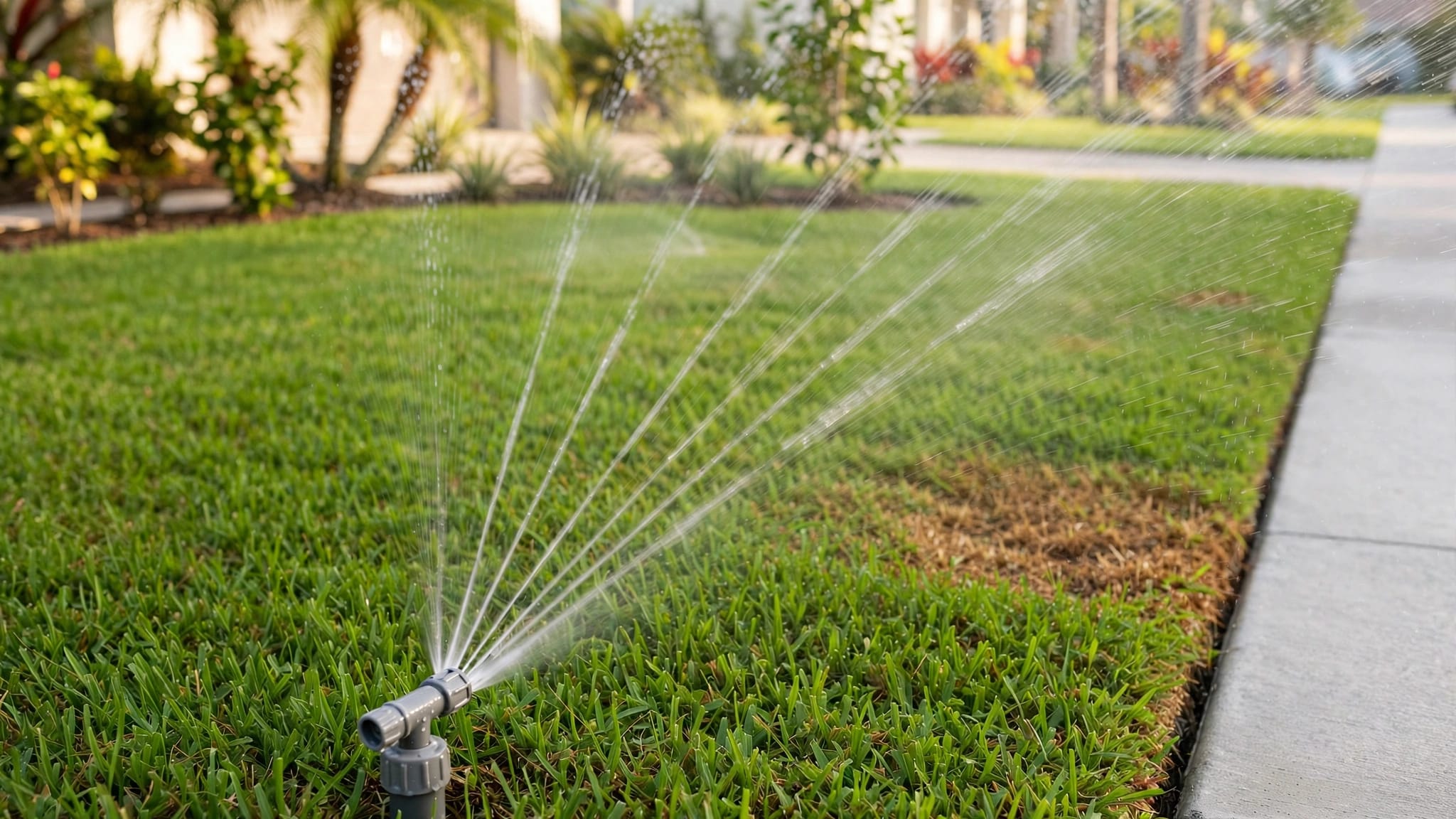
The plant choice matters, but the site work matters just as much. Cape Coral's sandy soil drains quickly, so new hedges need steady watering while they establish. A drip line or well-placed irrigation is usually easier to manage than guesswork with a hose.
Mulch helps too. It holds moisture, keeps roots cooler, and reduces the splashback that can happen during heavy watering. That is useful in summer, when the sun can dry a bed faster than you expect.
If your hedge runs beside a patio, walkway, or pool deck, drainage comes first. A concrete company should check slope before the planting starts if runoff could collect near a slab. Poor drainage hurts the hedge and the hardscape.
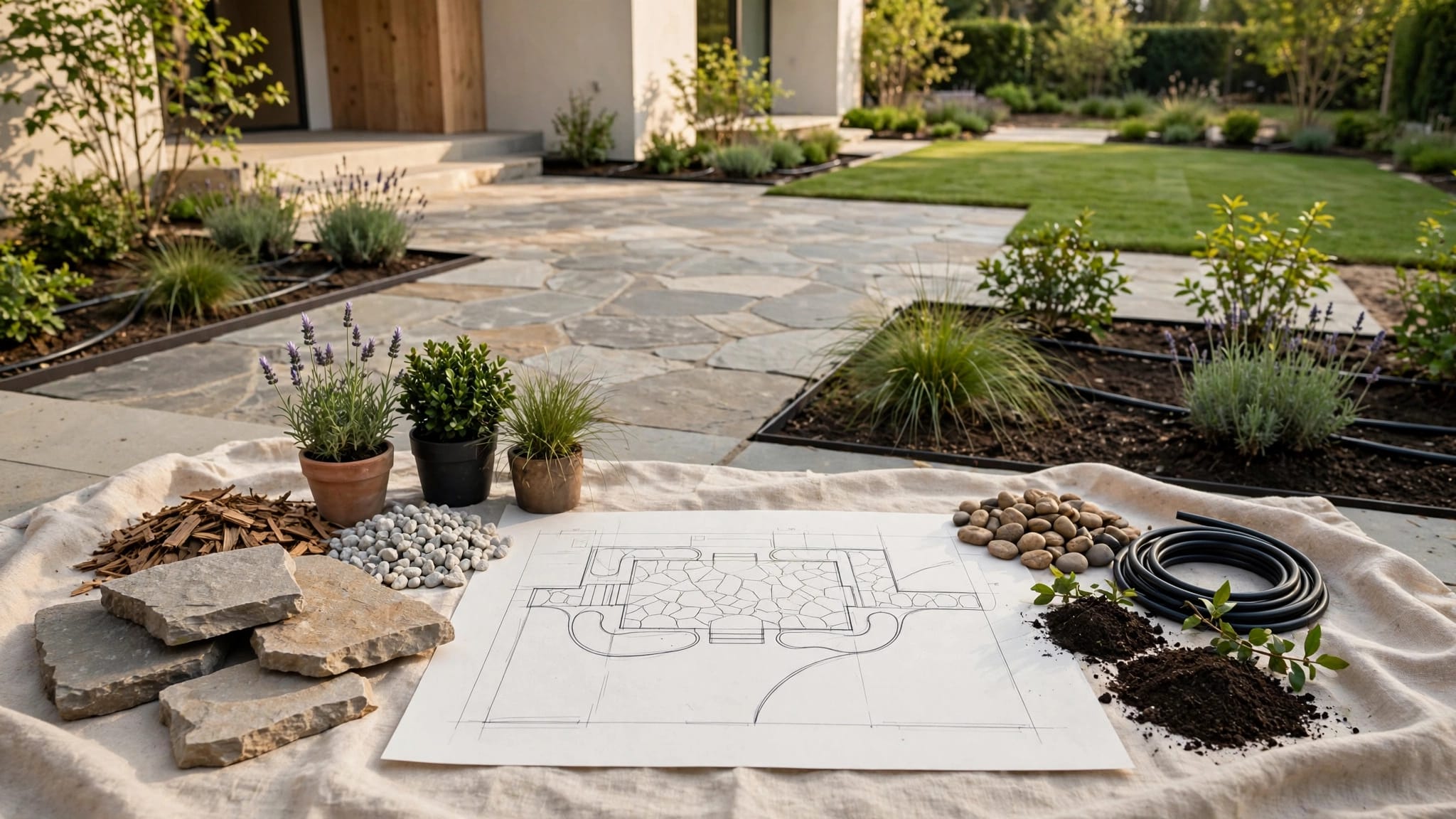
The same planning helps with pavers. If your design includes new hardscape, paver vs concrete patio upkeep should be part of the conversation before the hedge goes in. It is easier to finish paver cleaning and sealing when crews can still reach every edge.
Some homeowners also pair a hedge with artifical turf along a narrow side yard. That can cut mud, reduce mowing, and keep the area cleaner around the screen. It works best when drainage and edging are planned before the plants grow in.
Storm exposure is the last piece. In a more open lot, Clusia usually feels safer near the coast or in windy exposure. Podocarpus does better when the site is more protected and the hedge has room to stay balanced.
Conclusion
For Cape Coral privacy screens, Clusia and Podocarpus both have a place. Clusia gives you the denser, fuller barrier, while Podocarpus gives you a slimmer screen with a cleaner profile.
The right pick comes down to space, privacy goals, and how much shaping you want to do later. In Southwest Florida, that choice gets easier when you factor in heat, sandy soil, irrigation, and the hardscape around the hedge.
When the plant fits the yard, privacy feels effortless instead of forced.