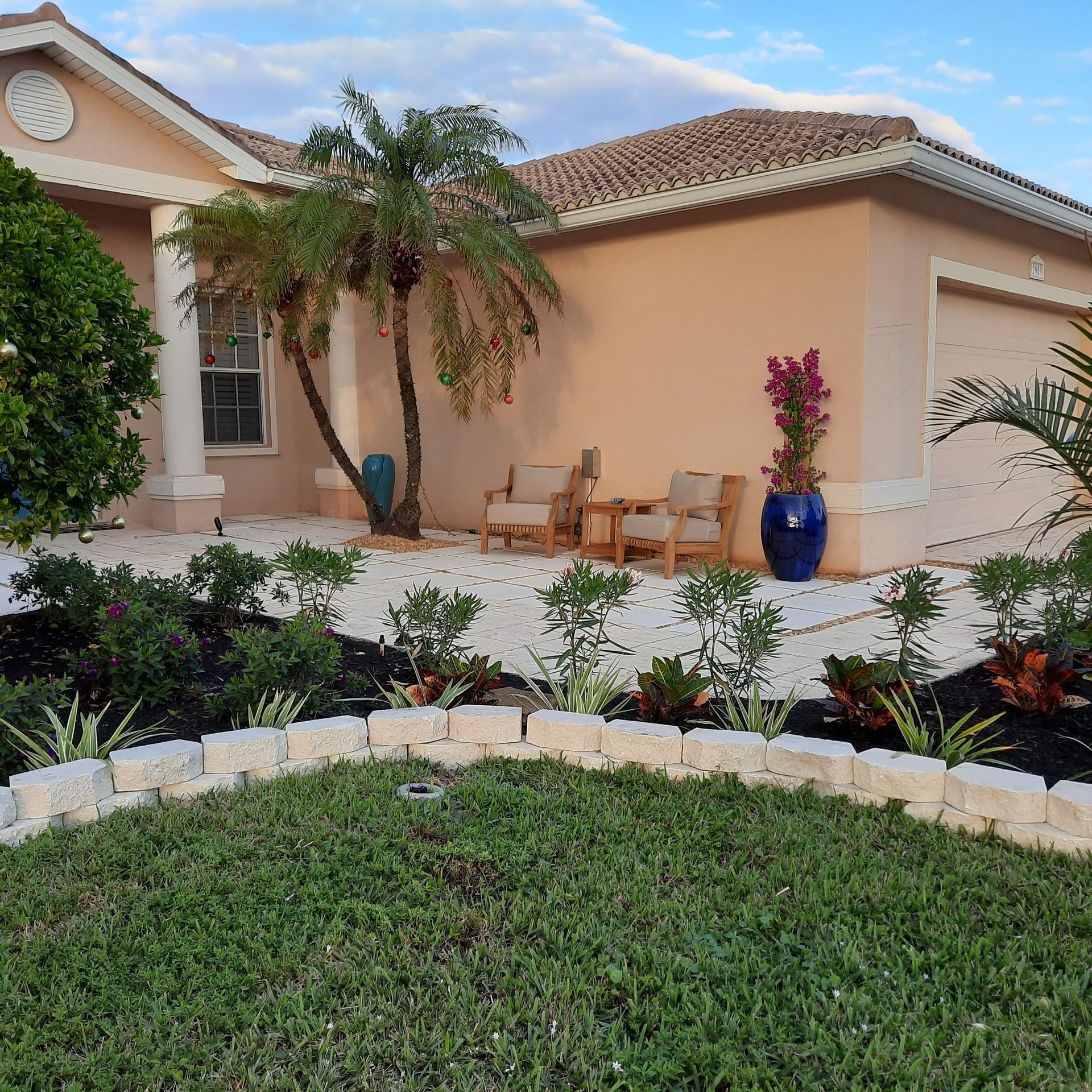



Best Pet-Safe Plants for Cape Coral Yards
Cape Coral landscaping has to handle strong sun, salty air, sandy soil, and pets that treat the yard like a racetrack. The wrong plant can turn a simple weekend project into scratched leaves, muddy paws, or a trip to the vet.
The best choices stay tough in heat and still look good beside patios, walkways, and pool cages. They also keep the yard easier to manage, which matters when you want less trimming and less worry.
A smart mix of pet-safe plants can make the yard feel finished without making it fussy. The right layout matters too, so the plants work with the rest of the yard instead of fighting it.
Why Cape Coral yards need tougher plant choices
Cape Coral heat changes the way plants grow. Midday sun can scorch tender leaves, sandy soil drains fast, and afternoon rain can wash mulch into walkways. Pets add another layer, because they may chew, dig, or run through beds without warning.
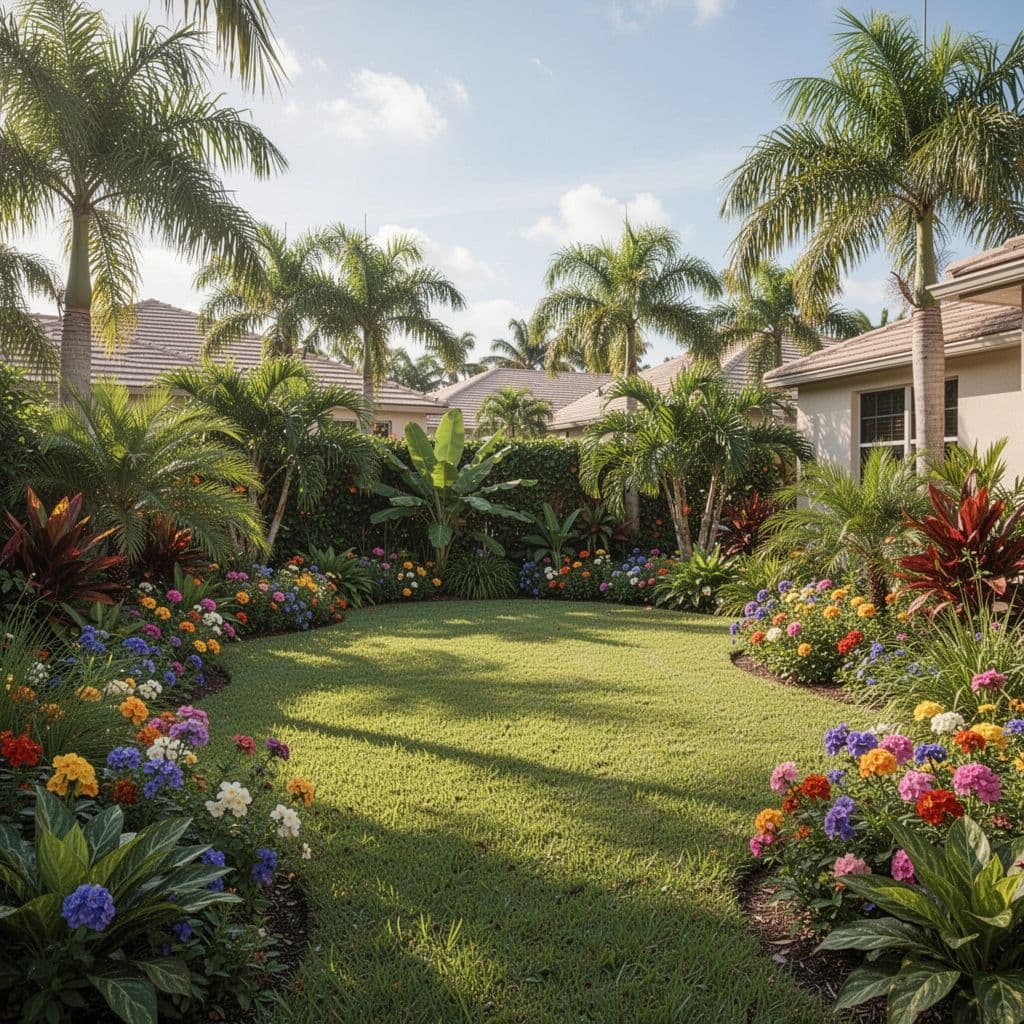
That means the best yard plants need more than good looks. They need to hold up in heat, stay tidy, and avoid thorns, sharp edges, or irritating sap. No yard is completely risk-free, so even with safer plants, it still helps to discourage chewing and digging.
A good plant plan also works with hardscape. If your beds sit near a lanai, driveway, or pool deck, you want plants that won't turn into a cleanup job every week.
Best pet-safe plants for Cape Coral yards
The list below focuses on plants that are easy to find, handle Southwest Florida conditions, and fit a low-maintenance yard. Each one brings a different use, so you can mix color, texture, and shade without crowding the space.
| Plant | Sun | Water | Maintenance | Why it works |
|---|---|---|---|---|
| Beach sunflower | Full sun | Low after establishment | Low | Native groundcover with soft stems and no thorns |
| Hibiscus | Sun to light shade | Moderate | Moderate | Big blooms, broad leaves, and no sharp edges |
| Pentas | Full sun to part sun | Moderate | Low | Compact flowers that stay neat near paths |
| Blue daze | Full sun | Low | Low | Low, soft groundcover that fills borders well |
| Areca palm | Sun to part shade | Moderate | Moderate | Soft fronds create a screen without spines |
| Boston fern | Bright shade | Even moisture | Low to moderate | Safe choice for shady corners and lanai edges |
| Gulf muhly | Full sun | Low once established | Low | Native grass with airy texture and no spines |
Beach sunflower
Beach sunflower is a strong fit for Cape Coral because it loves full sun and handles dry stretches well. Once it settles in, it needs little water and very little fuss. Its soft stems spread nicely along a border, so it works well where you want coverage without a rigid look. For pets, the big win is simple: no thorns, no sharp leaves, and no sticky sap.
Hibiscus
Hibiscus adds the kind of color that makes a yard feel alive. It does best in sun or light shade and likes regular watering, especially during hot spells. The maintenance is moderate because it benefits from pruning and basic care. Still, it stays a good pet-friendly choice because the leaves are broad and soft, and the plant gives you a bold focal point without scratchy edges.
Pentas
Pentas is one of the easiest flowering plants to use in a pet-friendly yard. It handles full sun, takes moderate water, and stays fairly low-maintenance once established. The plant grows in tidy clusters, so it works along walkways and entry beds without getting messy fast. It also attracts butterflies, which gives the yard color and movement without creating a dense or spiky bed.
Blue daze
Blue daze is a smart groundcover for Cape Coral yards that need a soft, low look. It likes full sun and doesn't ask for much water after it gets going. Maintenance stays low because it spreads in a controlled way and doesn't need constant shaping. That makes it useful near play areas or under taller shrubs, where pets may brush past without getting snagged or scratched.
Areca palm
Areca palm gives you height and a tropical feel without harsh leaves. It does well in sun to part shade and prefers moderate watering. The upkeep is moderate because dead fronds need to be trimmed now and then, but the plant is still manageable. It works well near a sitting area or pool cage, where you want a screen that feels soft instead of stiff.
Boston fern
Boston fern is a good answer for shaded side yards, covered patios, and lanai corners. It wants bright shade and steady moisture, so it fits best in spots that don't bake all afternoon. The maintenance level stays fairly low as long as the soil doesn't dry out too much. It works in a pet-friendly yard because it has no thorns, no harsh stems, and a soft look that helps calm down tight spaces.
Gulf muhly
Gulf muhly brings texture without much work. This native grass likes full sun, takes little water after establishment, and stays low-maintenance through most of the year. Its fine blades and airy pink plumes add movement without the harsh feel of spiny plants. It also fits well in sandy soil, which makes it a strong match for Cape Coral landscaping near fences, walls, or open lawn edges.
How to build around patios, pavers, and play space
The plants matter, but placement matters just as much. Keep taller shrubs away from paths, and give groundcovers enough room to spread without spilling into walkways. That simple step cuts down on trimming and keeps the yard easier to use.
If you're planning a bigger refresh, landscape design and installation can tie planting beds, drainage, and hardscape together before you buy plants. A good concrete company can also shape a clean border or patio pad that keeps mulch where it belongs.
Paver edges need breathing room too. When beds sit too close, roots, soil, and leaves slide onto the surface and make paver cleaning harder. A small strip of rock or concrete between the bed and the pavers helps the space stay neater.
Some homeowners also mix these plants with artifical turf in dog-run areas. That can work well if drainage is handled first and the planting beds stay clear. The goal is simple, a yard that still feels open when your pets run through it.
Plants to skip when pets use the yard
Some plants look good in a nursery but cause problems at home. If dogs or cats spend time outside, skip anything known for toxicity or strong irritation.
- Sago palm is a hard no in pet yards, because every part of it is dangerous.
- Oleander brings color, but it is one of the most toxic shrubs around.
- Caladium can irritate pets and cause problems if chewed.
- Angel trumpet has showy flowers, yet it is not a good fit near animals.
- Croton can also cause stomach trouble and skin irritation.
Even pet-safe landscaping can cause trouble if a dog chews leaves or digs around roots.
Keep an eye on fertilizer, mulch, and irrigation parts too. Pets don't always stop at the plants, so the whole yard needs common-sense limits.
Conclusion
The best pet-safe yard in Cape Coral is the one that fits the climate and your daily routine. Heat, sandy soil, and active pets all push you toward plants that are sturdy, simple, and low-fuss.
Beach sunflower, hibiscus, pentas, blue daze, areca palm, Boston fern, and gulf muhly give you a strong mix of color, shade, and texture. More importantly, they help your yard stay clean, comfortable, and easier to live with.
When the plants fit the space, the whole yard feels calmer. That is the real goal of pet-safe plants in Southwest Florida.