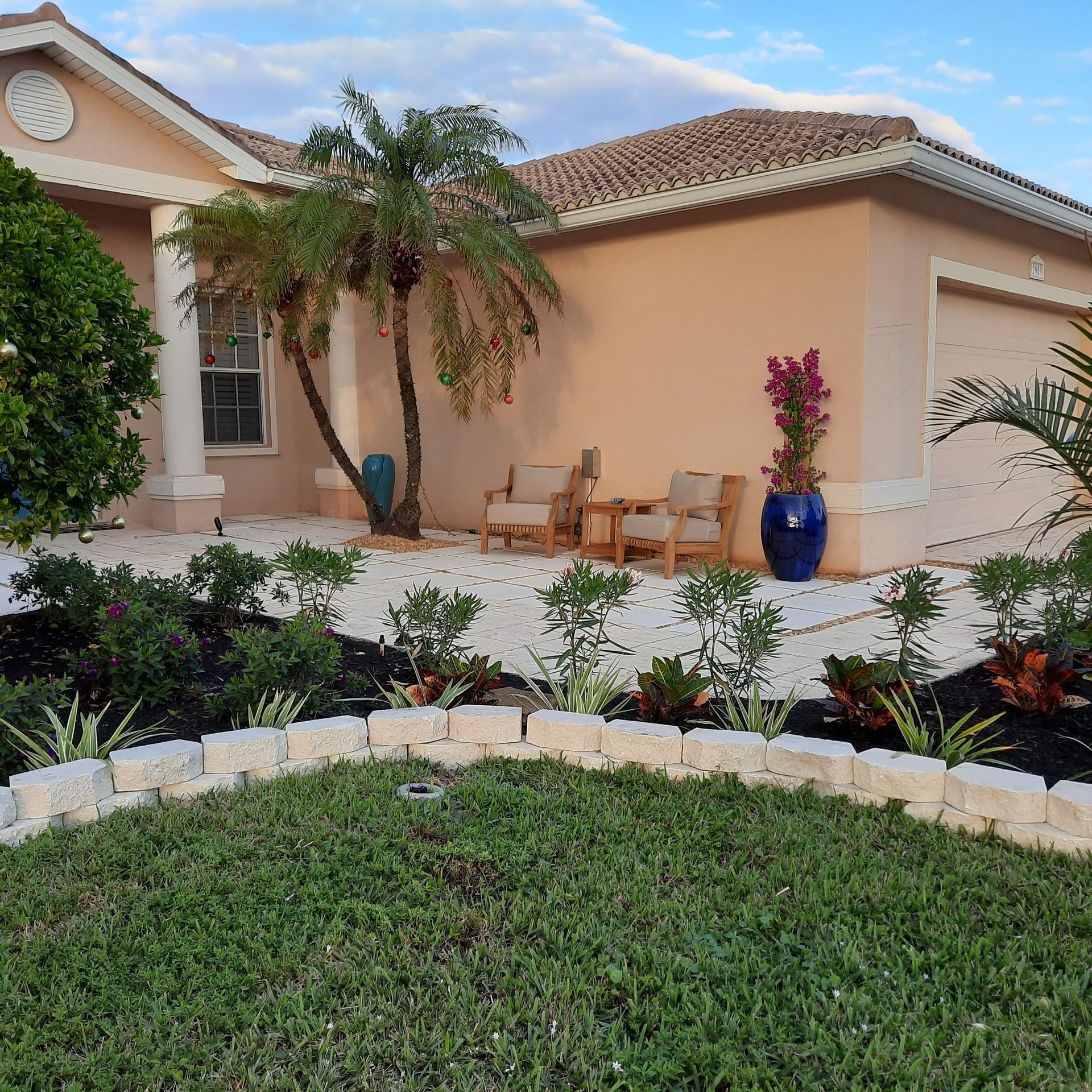



How Much Does a Paver Walkway Cost in Cape Coral, FL? (materials, base, patterns, labor)
A paver walkway looks simple on the surface, but in Cape Coral it’s a bit like building a small boat dock on land. Between sandy soils, sudden downpours, and a high water table in some neighborhoods, the details under the pavers matter as much as the pavers you see.
If you’re trying to pin down your paver walkway cost before calling a contractor, the best approach is to break it into four parts: materials, base and prep, pattern and cuts, and labor. Let’s price it out with realistic 2026 estimates for Cape Coral.
2026 Cape Coral paver walkway cost ranges (with a quick calculator)
For most homes in Cape Coral, installed paver walkways typically land around $9 to $20 per square foot (estimate range). Wide swings usually come from base work, drainage fixes, and premium pavers.
Here’s a practical 2026 breakdown (estimates for Cape Coral, FL):
| Cost component | Typical range (per sq ft) | What it covers |
|---|---|---|
| Materials (pavers, sand, edging basics) | $3 to $8 | Standard concrete pavers, bedding sand, basic edge restraint |
| Base and prep (excavation, base rock, grading) | $2 to $7 | Dig-out, geotextile when needed, compacted base, slope tweaks |
| Labor (install and finishing) | $3 to $5 | Layout, cuts, compaction, joint sand, cleanup |
| Total installed | $9 to $20 | Combined, typical residential walkway |
A simple way to budget:
(Length × Width) × Installed price per sq ft = Estimated total
Three quick examples (installed pricing estimates):
- Budget (straight, basic pavers): 40 ft × 4 ft = 160 sq ft × $10 = about $1,600
- Mid-range (curves, nicer color blend): 160 sq ft × $14.50 = about $2,320
- Premium (thicker base, herringbone, borders): 160 sq ft × $19 = about $3,040
Want a second opinion on statewide calculator-style numbers before you get quotes? Compare your rough math with a paver walkway cost calculator and adjust for your site conditions.
Materials and patterns that move the price up (or keep it reasonable)
Materials are the easiest part to shop, and the easiest place to overspend if you don’t match the product to the job.
Most Cape Coral walkways use concrete pavers , since they handle heat, rain, and everyday foot traffic well. Expect standard pavers (common sizes and colors) to sit toward the lower end of the materials range. Upgrades that push costs higher include larger-format pavers, higher-end color blends, and specialty textures.
Natural stone can look amazing, but it can also raise the budget fast and it may demand more careful installation and sealing. If your home is near salt air, ask how the paver finish holds up over time, since surface wear and staining can show sooner in coastal conditions.
Patterns also matter because patterns create cuts, and cuts create labor.
How common patterns affect your installed price
- Running bond (brick pattern): Usually the most cost-friendly layout, fewer cuts on straight runs.
- Herringbone: Strong interlock, great for stability, but slower to install.
- Basket weave or modular layouts: Can look upscale, depends on paver set and layout complexity.
- Borders and accents: A clean border frame adds polish, but it adds extra cuts and layout time.
Curves are another cost lever. A gently curved path can look natural with your landscaping, but it increases cutting and waste. If you’re balancing curb appeal and budget, keep curves broad and avoid tight S-shapes.
If you’re planning a full outdoor refresh, it helps to coordinate walkway colors with nearby elements like mulch, stone, and even artifical turf (yes, many homeowners mix hardscape and low-maintenance green areas for a tidy look year-round).
For design ideas and local installation considerations, see Paver Installation Cape Coral.
Base and prep costs in Cape Coral (rain, sand, slope, and salt air)

Photo by Littlehampton Bricks
In Cape Coral, the base is where projects either last for years or start dipping and shifting. The city’s frequent rain means water has to go somewhere, and sandy soils can wash out or settle if the base isn’t built and compacted correctly.
Here’s what often increases base and prep costs locally:
Sandy soils and potential high water table
Sandy soil drains fast, but it can also move. If groundwater sits high on your lot during wet season, contractors may need to adjust excavation depth, add better base rock, or use stabilization fabric in soft spots. This is why two neighbors can get very different quotes for the same-sized walkway.
Drainage and slope planning
A walkway should shed water away from the house and avoid low spots that puddle. That can mean extra grading, adding a gentle pitch, or tying into existing drainage lines. If your yard already floods during heavy rain, plan for more prep work.
Edge restraint matters more near the coast
Edge restraint keeps pavers from spreading over time. In areas with wet soil cycles and salt air, skipping or cheaping out on edges is one of the fastest ways to end up with creeping joints and wavy lines. Ask what edge system is used and how it’s anchored.
Permits and rules
Walkways often don’t require the same approvals as a driveway, but rules can change based on location, easements, and drainage changes. When gathering bids, it helps to confirm permit needs and responsibilities upfront. If you want a sense of what local contractors commonly factor in for pricing and project scope, check interlocking paver installers in Cape Coral to see how jobs are categorized.
Labor, contractor choice, and smart ways to control the budget
Labor usually lands in the $3 to $5 per square foot range (estimate) for a straightforward walkway, then climbs with curves, thickened base sections, lots of cuts, or difficult access.
A big tip: don’t compare bids like they’re all selling the same thing. One crew may be quoting a deeper base, better compaction, and stronger edging. Another may be quoting “pavers on sand,” which is cheaper now and costly later.
If you’re also pricing a poured path, a concrete company may offer a lower upfront number, but concrete cracks are common in shifting soils. Pavers cost more to install, but they’re repairable by section, which matters in a wet climate.
Contractor questions that prevent surprise add-ons
- What base depth and base material are you using? Ask for inches and material type.
- How will you handle drainage and slope? You want runoff controlled, not redirected to the wrong place.
- What edge restraint will you install? Confirm type and fastening method.
- How many cuts and how much waste is assumed? This affects both cost and timeline.
- Is the quote itemized (materials, base, labor)? Itemized bids are easier to compare.
If you’ve ever seen sunken or wobbly pavers, it’s usually base-related. To understand what fixes cost when things shift, read How Much Does Paver Repair Cost.
Ways to save without sacrificing durability
Keep it simple and strong: choose a standard paver, a straight layout, and a clean border. Also, bundle work. If you’re already doing landscaping , lighting, or irrigation repairs, combining visits can reduce mobilization costs.
Finally, plan for maintenance. Regular paver cleaning (especially after muddy rains and mildew season) helps prevent staining and slick spots. Many homeowners also seal pavers to slow fading and make future cleaning easier. For a reality check on local market pricing ranges, compare your quotes with published Cape Coral averages like Cape Coral paver installation cost ranges and local contractor listings such as Cape Coral paver pros on HomeAdvisor.
Conclusion
A good-looking walkway is great, but a well-built base is what protects your paver walkway cost from turning into a repair bill later. In Cape Coral, rain, sand, and drainage details decide whether your path stays level and tight. Get itemized bids, ask base and edge questions, and keep the design practical if you’re watching the budget. When the walkway fits your yard and sheds water the right way, it pays you back every time you walk to the door.