


Generator Pad Cost in Cape Coral, FL: 2026 Pricing Guide
A standby generator is only as stable as the base under it. In Cape Coral, that base can cost a little, or it can cost a lot more than expected if the yard has drainage issues, soft soil, or tight access.
For most homeowners, generator pad cost is a smaller part of the project than the generator itself. Still, it matters, because a pad that is too small, out of level, or poorly placed can create problems later.
This guide breaks down realistic 2026 estimate ranges for Cape Coral, plus the site conditions that push prices up or down.
What generator pad pricing looks like in Cape Coral in 2026
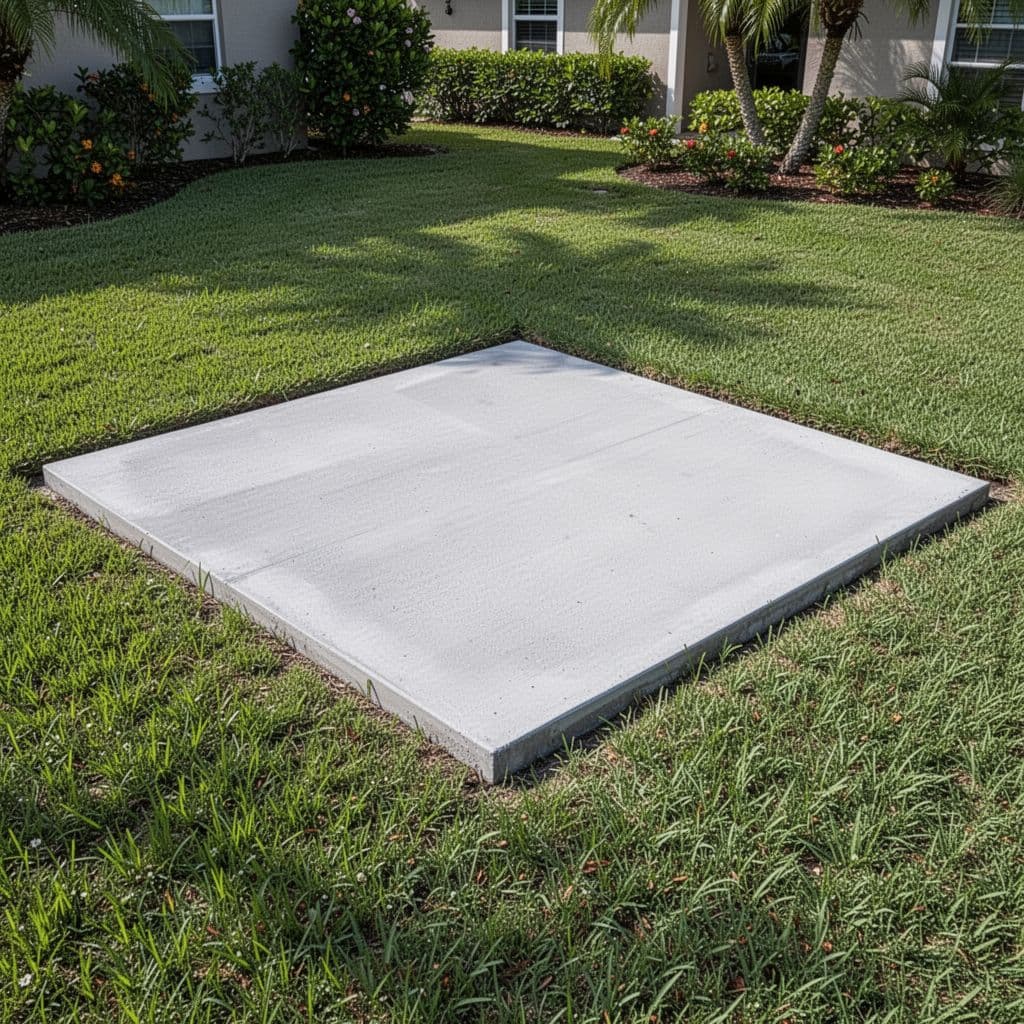
For a typical residential standby generator, a simple concrete pad installation in Cape Coral often falls in the $350 to $700 range when the site is easy and the pad is part of a straightforward job. If the project needs extra excavation, better reinforcement, or cleanup of an old slab, the price often moves into the $700 to $1,200 range.
When a pad replacement includes demolition, hauling, regrading, or a tighter fit for a larger unit, the total can reach $1,200 to $1,800 or more . Those are estimates for 2026, not fixed prices, because every site is different.
Recent local pricing data also shows that many Cape Coral homeowners get a full 15 kW to 20 kW standby generator install in the roughly $7,800 to $8,300 range, with the pad bundled into the total. That matters because many companies do not price the pad on its own.
| Project type | Estimated 2026 Cape Coral range | What usually affects the price |
|---|---|---|
| Simple new pad | $350 to $700 | Easy access, level ground, standard size |
| Reinforced pad with site prep | $700 to $1,200 | Better base, thicker slab, modest grading |
| Pad replacement or upgrade | $1,200 to $1,800+ | Demo, haul-off, drainage correction, tight access |
The takeaway is simple. The concrete itself is rarely the whole story. Labor, site prep, and local requirements often matter just as much.
In Cape Coral, the cheapest pad is not always the best value. Drainage and placement can matter more than the slab price.
Why Cape Coral sites can change the number fast
Cape Coral has its own set of headaches. Flood exposure, sandy soil, and flat lots can all change how a generator pad gets built. A site that looks simple may still need grading or a better base so water does not collect around the unit.
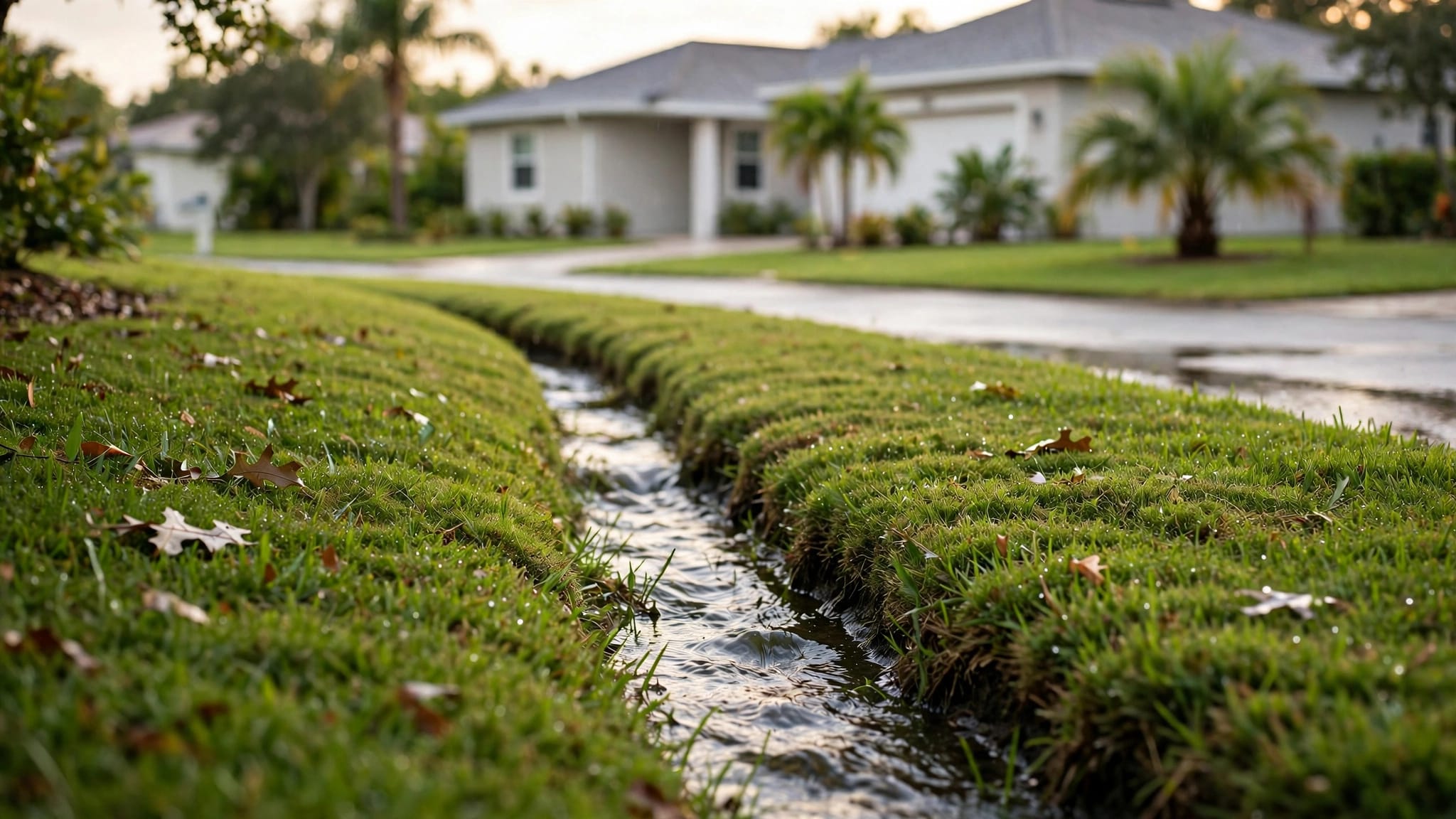
Drainage is a big one. If runoff pools where the generator will sit, crews may need to raise the area, add compacted fill, or adjust the surrounding slope. That adds time and material.
Hurricane prep also plays a role. Homeowners want the generator in a spot that is accessible, elevated when needed, and protected from standing water. In coastal Florida, that often means more planning before the first bag of concrete shows up.
Size matters too. A larger generator needs a larger pad, and some manufacturers ask for specific clearances, thickness, or anchoring details. If the base has to match a heavier unit, the slab cost goes up.
Cape Coral homeowners should also think about access. A side yard with a narrow gate can increase labor. So can a backyard that needs wheelbarrow work instead of direct access.
The local soil can change the build as well. If the ground is soft or uneven, a contractor may need to do more prep before pouring. That prep is often invisible in the final photo, but it shows up in the quote.
What a proper pad quote should include
A solid estimate should tell you more than the final dollar amount. It should explain what work is included, what is excluded, and how the pad will support the generator over time.
A good quote usually covers these items:
- Site check and layout : The crew should confirm the pad location, size, and clearances before work starts.
- Excavation and base prep : Some yards need removal of sod, soil, or loose fill before the pour.
- Concrete form and pour : The slab should be sized for the generator and built with the right thickness.
- Reinforcement : Rebar or mesh may be needed, depending on the load and manufacturer rules.
- Cleanup : Debris removal and basic site cleanup should be clear in the quote.
- Permit support : Some contractors handle permit paperwork, while others leave it to the homeowner.
Costs that often show up as extras include demo of an old pad, drainage fixes, hauling, long travel to the work area, or changes made after the site visit.
If your pad work is part of a larger outdoor update, it can make sense to bundle it with other improvements. A homeowner planning landscaping changes may want the pad installed at the same time as sod, mulch, or even artifical turf . That can save repeat visits and keep the yard cleaner. The same goes for paver cleaning or paver repairs, since those jobs often share the same crew access and prep work.
If you want to see how pad work fits into a broader project, you can explore our landscaping and paver services.
When replacing or upgrading an existing pad makes sense
Sometimes the cheapest move is not building a new pad at all. Sometimes it is replacing the old one.
A pad upgrade makes sense when the current slab is cracked, tilted, too small, or sitting in a low spot. It also makes sense when the new generator is larger than the old one. A slab that worked five years ago may no longer fit the new equipment.
Water issues are another sign. If the old pad sits where rainwater collects, the generator may be more vulnerable during storms. In Cape Coral, that is a real concern. Standing water around the unit is a problem no homeowner wants to find after a storm.
You should also look at the edges of the slab. If they are flaking, sinking, or separating from the base, the foundation may not be strong enough for a new install. At that point, patching the surface may not be enough.
A replacement can also be smart if the generator manufacturer has updated installation requirements. Some units need different clearances or mounting details. If the old base cannot meet those needs, starting fresh is often cleaner and safer.
A local concrete company can also check whether the old pad needs better compaction or a stronger base before the new pour. For homeowners comparing options, it helps to hire a concrete contractor in Cape Coral who understands both outdoor drainage and equipment placement.
How to compare bids without missing hidden costs
A cheap estimate can look good until the extras appear. That is why it helps to compare quotes line by line, not just by final number.
Ask each contractor the same questions. That keeps the comparison fair.
- Is the pad included in the generator install, or priced separately?
- What size and thickness will the slab be?
- Does the quote include excavation, grading, and base material?
- Who handles permits and inspections?
- Will the crew remove the old pad if one already exists?
- Is drainage correction part of the price, or extra?
You should also ask about timing. Concrete needs proper cure time, and generator installers need a pad that is ready for equipment. A rushed schedule can lead to problems if the pad is poured before the site is truly ready.
A trusted quote should feel specific. If a bid is vague, it usually leaves room for change orders later.
Conclusion
In Cape Coral, the generator pad cost is shaped by more than concrete. Generator size, manufacturer rules, drainage, site access, and local permitting all change the final price.
For 2026, most homeowners should expect a simple pad to start in the mid-hundreds, while tougher sites can move well above $1,000. The best quote is the one that explains what the job includes and why.
If your yard has flood concerns, slope issues, or a larger outdoor project already in motion, the smartest move is to price the pad as part of the full plan. That is where the real savings, and the fewest surprises, usually show up.