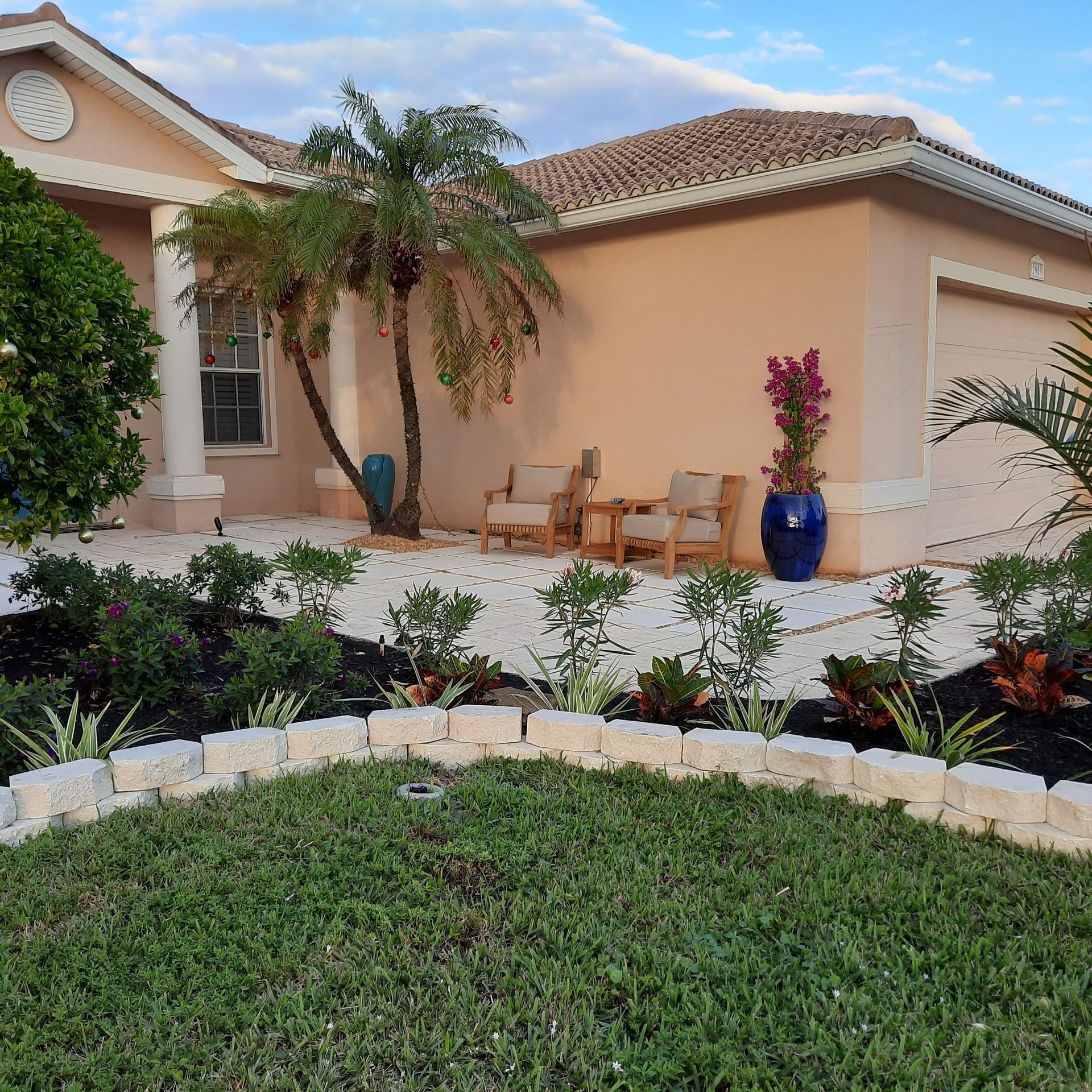



Boat Pad Cost in Cape Coral, FL: 2026 Pricing Guide
A boat pad in Cape Coral can cost a lot less, or a lot more, than you expect. The final price depends on size, soil, drainage, and how much prep the yard needs.
In 2026, most concrete boat pads in Cape Coral land around $6 to $15 per square foot . That puts many projects in the $2,000 to $8,000 range, with larger or more complex pads running higher.
When you compare estimates, the lowest number is not always the best value. The details behind the quote matter just as much as the total.
What a boat pad usually costs in Cape Coral
For a basic project, a Cape Coral homeowner may pay near the low end if the site is level and easy to reach. On the other hand, a waterfront lot with soft soil, drainage work, or tight access can push the price up fast.
A 20 ft x 30 ft pad is a good example. That gives you 600 square feet . At the local 2026 range, that can land anywhere from about $3,600 to $9,000 .
Here's a quick look at common sizes.
| Pad size | Square footage | Typical 2026 cost range |
|---|---|---|
| 12 ft x 20 ft | 240 | $1,440 to $3,600 |
| 16 ft x 24 ft | 384 | $2,300 to $5,760 |
| 20 ft x 30 ft | 600 | $3,600 to $9,000 |
| 24 ft x 40 ft | 960 | $5,760 to $14,400 |
These numbers give you a useful starting point. Still, the yard conditions usually decide where your quote lands inside the range.
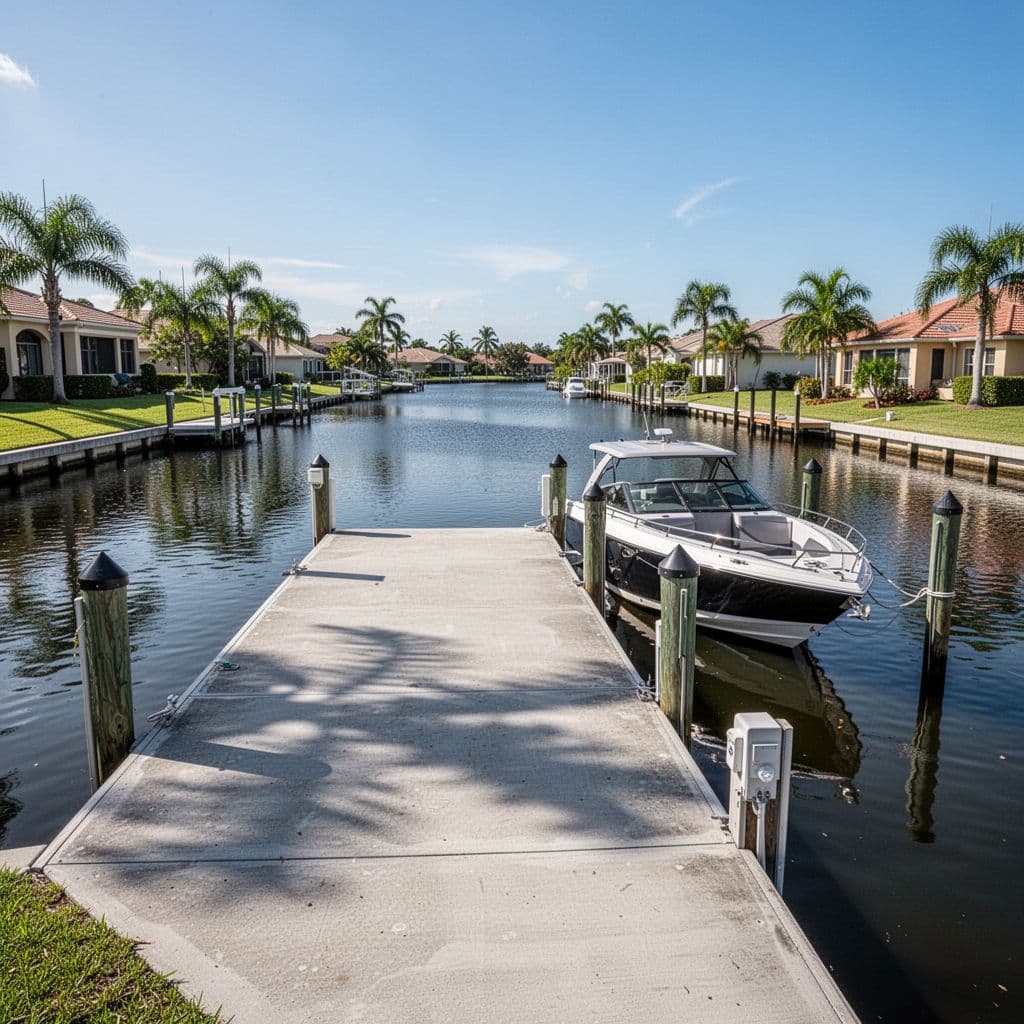
Why some quotes stay low while others climb
Two boat pads can look similar on paper and still price out very differently. The difference usually comes down to what happens before the concrete is poured.
Why a quote comes in lower
A lower-cost quote usually means the site is simple. The crew can excavate without major surprises, the soil is stable, and water moves away from the slab the way it should. If the pad is a straightforward rectangle with a plain broom finish, the price often stays closer to the bottom of the range.
A lot of Cape Coral lots fall into this category, especially when the pad sits on a dry, open area with good access for equipment. A local concrete company can usually move faster when it does not have to fight roots, buried debris, or a cramped side yard.
Why a quote goes higher
The price rises when the crew has to solve problems before the pour. Soft or uneven soil needs extra prep. Poor drainage may call for grading changes. A thicker slab or heavier reinforcement also adds cost.
Cape Coral's wet weather and high water table can make drainage a bigger deal than homeowners first expect. If the pad needs to stay level beside a canal, dock, or seawall, that added work shows up in the estimate.
The cheapest bid often leaves out the parts that keep the slab dry, level, and easy to maintain.
Here's a simple way to compare the main cost drivers.
| Cost factor | Lower-cost scenario | Higher-cost scenario |
|---|---|---|
| Soil prep | Firm, level ground | Soft fill, roots, or uneven grade |
| Drainage | Water already flows well | Added slope work or runoff fixes |
| Reinforcement | Standard wire or rebar | Heavier steel or thicker slab |
| Access | Easy machine access | Tight side yard or blocked entry |
| Finish | Basic broom finish | Decorative edge or special finish |
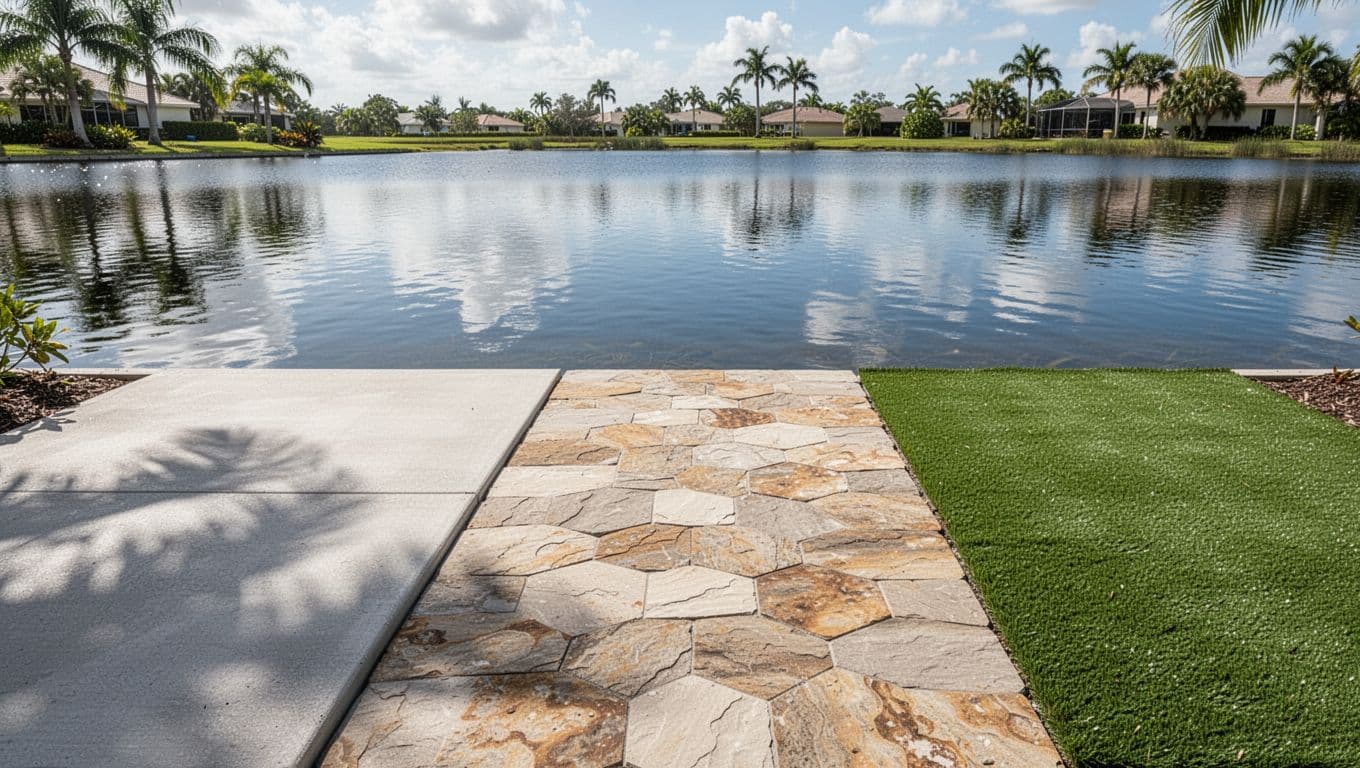
The biggest takeaway is simple. Price does not move much when the site is easy, but it climbs when the crew has to solve problems first.
Sample budgets for common boat pad sizes
A few real-world scenarios can help you read a quote faster. These examples are not exact bids, but they show how the range works in practice.
A small pad for a compact boat or trailer may land around $2,000 to $3,500 if the site is simple. That usually covers a smaller slab, basic reinforcement, and normal prep.
A mid-size pad for a family boat often lands between $4,000 and $8,000 . That price range fits many Cape Coral homes where the crew needs moderate excavation and drainage work, but nothing extreme.
A larger waterfront pad can move into the $9,000 to $14,000+ range. At that point, size, soil work, and edge detailing matter more. If the job also ties into a driveway or patio, the total can climb again.
If your boat pad is part of a larger landscaping plan, ask for each piece as a separate line item. That makes it easier to see where the money is going. It also helps when the project includes concrete, pavers, sod, or artifical turf near the work area.
For bigger outdoor projects, it often helps to coordinate the hardscape early. If the pad connects to a patio or walkway, a custom paver patio and driveway construction plan can keep the whole layout cleaner and easier to price.
How a concrete company should quote the job
A good estimate should read like a job plan, not a single number on a page. You want to know what the crew is doing before, during, and after the pour.
A clear quote should spell out the slab thickness, reinforcement, excavation, base material, and finish. It should also say whether the price includes hauling away spoil, grading for drainage, and any permit work.
That matters because boat pads are rarely stand-alone projects in Cape Coral. They often sit beside landscaping, pavers, fences, or a dock area. If you already need paver cleaning or re-sanding, it may make sense to schedule that at the same time. Otherwise, you can end up paying for access twice.
Look for these items in the estimate:
- Slab thickness and reinforcement type
- Site prep and base compaction
- Drainage or grading changes
- Demo and haul-off, if needed
- Finish type and edge treatment
- Permit handling and inspection support
- Warranty terms and payment schedule
A contractor who answers these points clearly is usually easier to work with. You want details, not guesses.
Questions to ask before you request an estimate
Before you sign anything, ask a few direct questions. The answers will tell you a lot about the final cost and the quality of the work.

- How thick will the slab be, and what reinforcement will you use?
- Does the quote include excavation, base prep, and haul-off?
- Will you handle drainage changes if the yard holds water?
- Is the finish plain, broomed, or decorative?
- Are permits and inspections included in the price?
- What happens if the soil needs more work than expected?
- How long will the job take once work starts?
- Will you protect nearby landscaping, pavers, or artifical turf?
Those questions help you compare bids on equal terms. They also make it easier to spot a quote that looks cheap because it leaves out major work.
If your property already has hardscape features, ask how the crew will protect them. That is especially important near tight side yards, existing patios, and planted areas.
Conclusion
Boat pad pricing in Cape Coral is tied to site conditions as much as slab size. A simple pad on stable ground can stay near the low end, while drainage, access, and reinforcement push the number higher.
When you review quotes, focus on the parts that shape long-term performance, not only the total price. A solid boat pad cost in Cape Coral estimate should explain the prep work, the slab build, and any drainage changes in plain language.
That is what separates a basic pour from a pad that holds up through Florida weather.