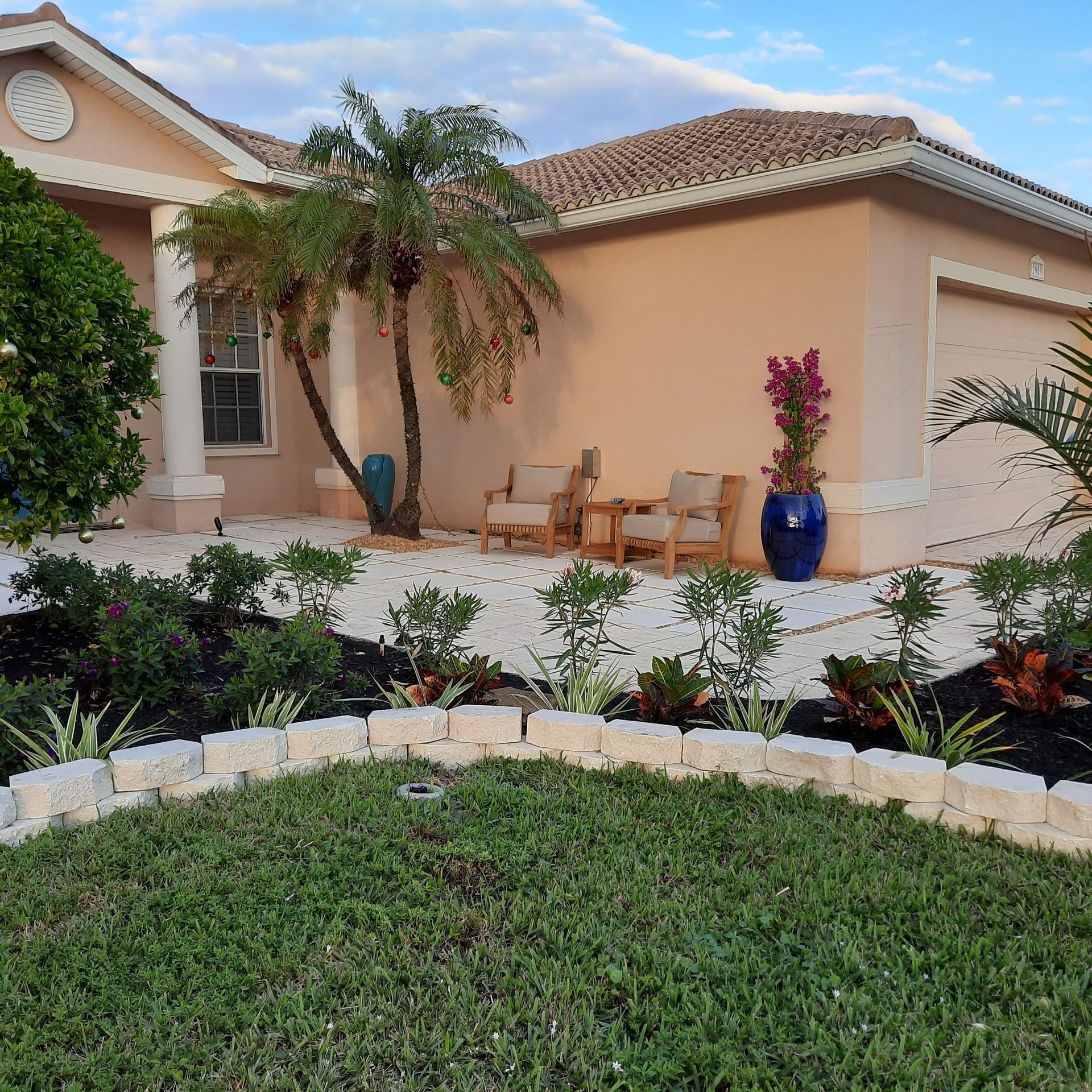



Why Pavers Turn White in Cape Coral and How to Fix It
You step out onto your patio after a rain, and there's that familiar white haze covering your pavers. It looks like dust or mold, but it won't wipe off easily. In Cape Coral's humid air and salty breezes, this happens often to driveways, walkways, and pool decks.
Paver efflorescence in Cape Coral tops the list of complaints from homeowners. It turns fresh installs dull fast. You can fix it yourself with care, or call pros for bigger jobs. First, figure out the cause so you pick the right steps.
Spotting the Real Cause of White Pavers
White stuff on pavers isn't always the same problem. Efflorescence shows up as a powdery film from salts leaching out. Water pulls minerals from the ground or paver base up through joints. As it dries in our hot sun, salts stay behind.
Other culprits mimic it. Hard water stains come from sprinkler overspray with minerals. Algae or mildew grows in shady, damp spots. Mold thrives after heavy rains here.
Test it quick. Wet a small area. If the white dissolves and wipes away, it's likely efflorescence. If it stays or changes color, check for mildew. Rub a spot; powder means salts, sticky means growth.
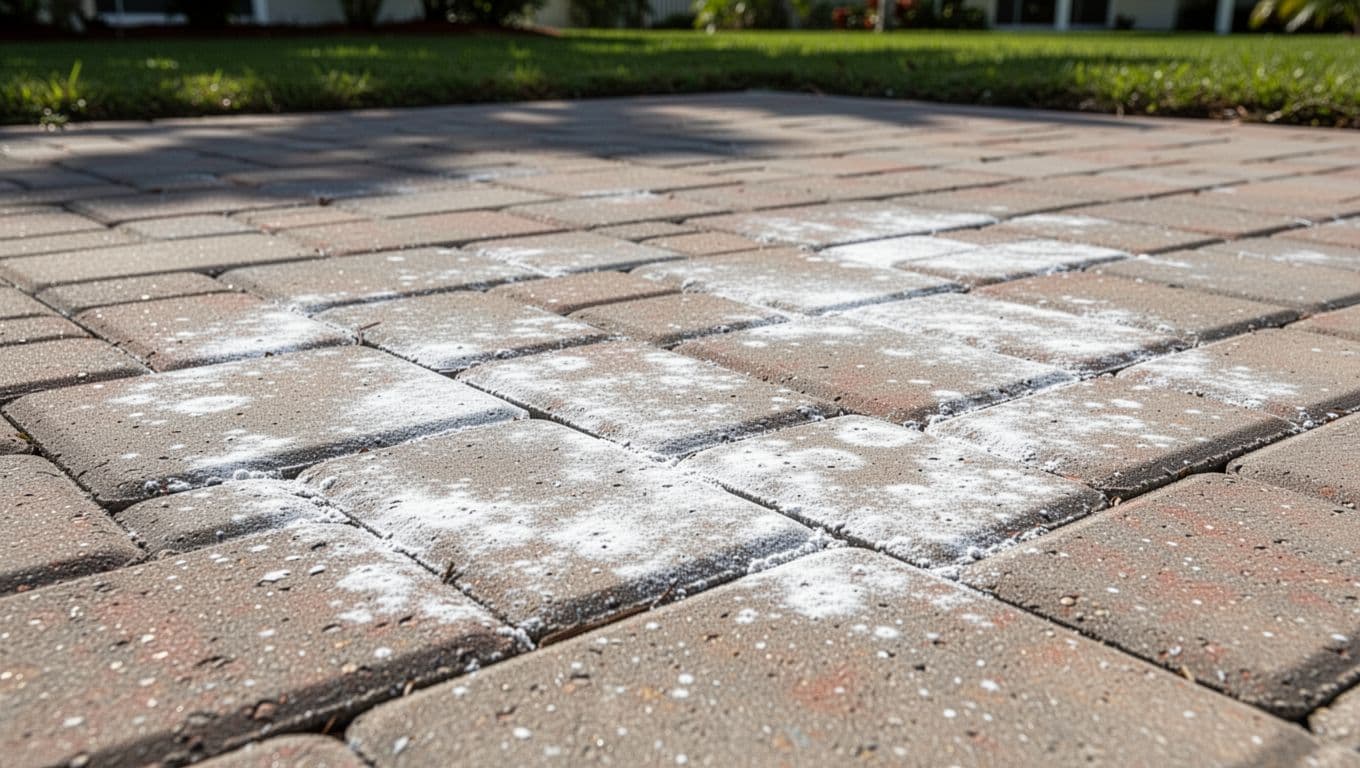
Poor drainage speeds this up in Cape Coral yards. Water sits under pavers, then rises. Sandy soil holds less, but new installs often lack enough base depth. Check slopes away from your house.
Diagnose Before You Clean
Don't grab harsh cleaners yet. Multiple causes mean wrong fixes damage pavers. Efflorescence returns until salts run out, so repeat cleaning might need to happen.
Look at timing. New pavers get it in the first year as concrete cures. Older ones point to water issues. Feel the joints; loose sand lets more water in.
Compare to neighbors. If theirs stay clean, yours might need better grading. Sprinklers hitting pavers deposit calcium fast here.
For paver cleaning in our area, start simple. Skip guesses. This saves your surface and joint sand.
Clean Efflorescence Safely at Home
Gentle methods work best on Cape Coral pavers. Harsh acids etch stone; high pressure blasts sand out. Test any cleaner on one paver first.
Start dry. Sweep loose powder. Then mix dish soap and warm water. Scrub with a soft brush. Rinse well. Repeat after dry weather.
For stubborn spots, use a diluted vinegar mix, one part vinegar to ten parts water. Apply, wait ten minutes, brush, rinse. It neutralizes salts without harm most times.
Avoid muriatic acid unless you're experienced. It eats calcium but risks joints too. Pressure washers over 1500 PSI shift pavers; use low if you must.
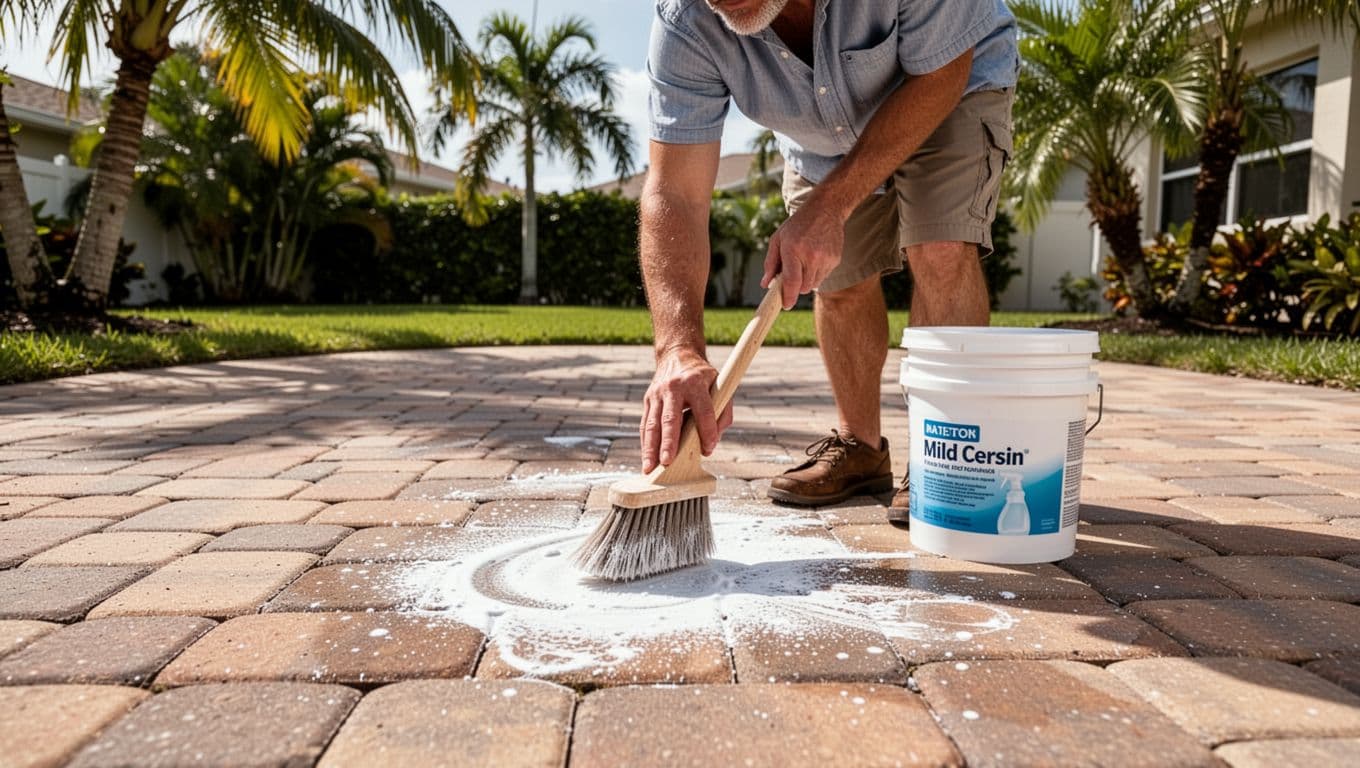
After cleaning, let dry two days in our humidity. Fans help. Resand joints with polymeric sand for better lock.
Prevent White Haze from Returning
Fix the source, or it comes back. Improve drainage first. Add French drains if water pools. Regrade so it flows off pavers.
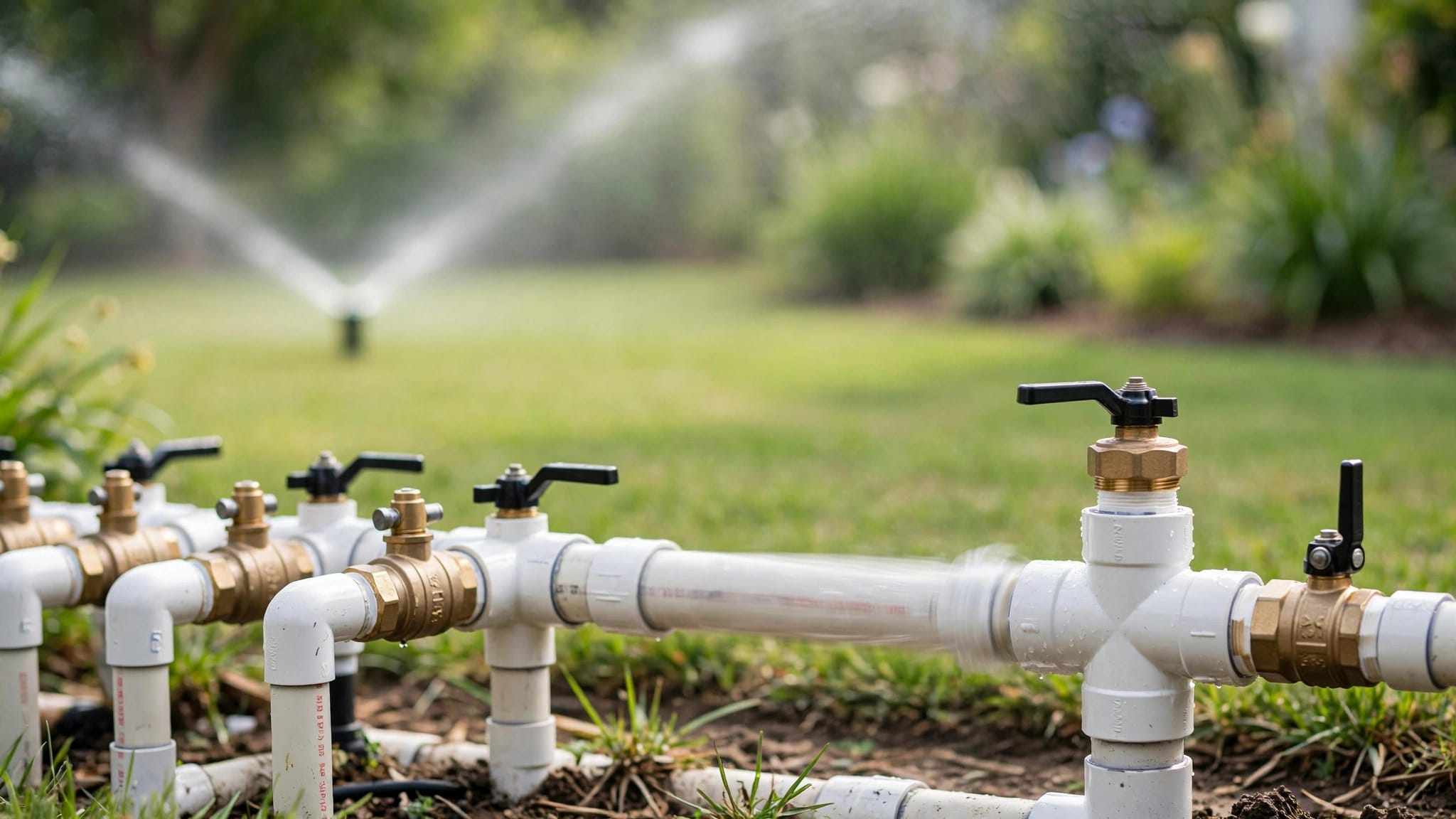
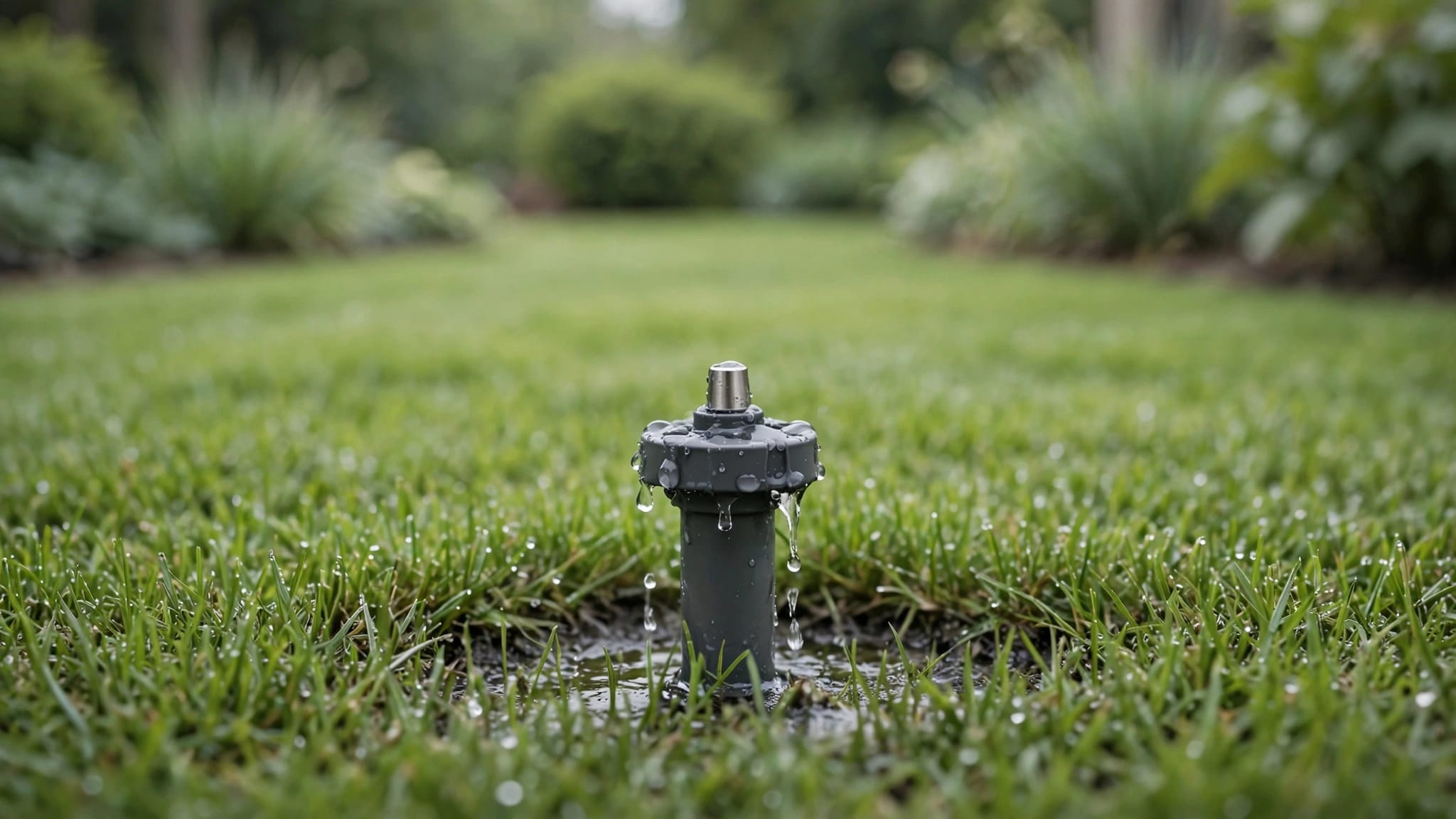
Adjust sprinklers. Aim away from hardscapes. Consider artificial turf nearby; it cuts overspray and stays green without water.
Seal pavers right. Wait six months post-install for salts to surface. Choose breathable sealers; they let moisture escape. Wet-look types shine but trap vapor.
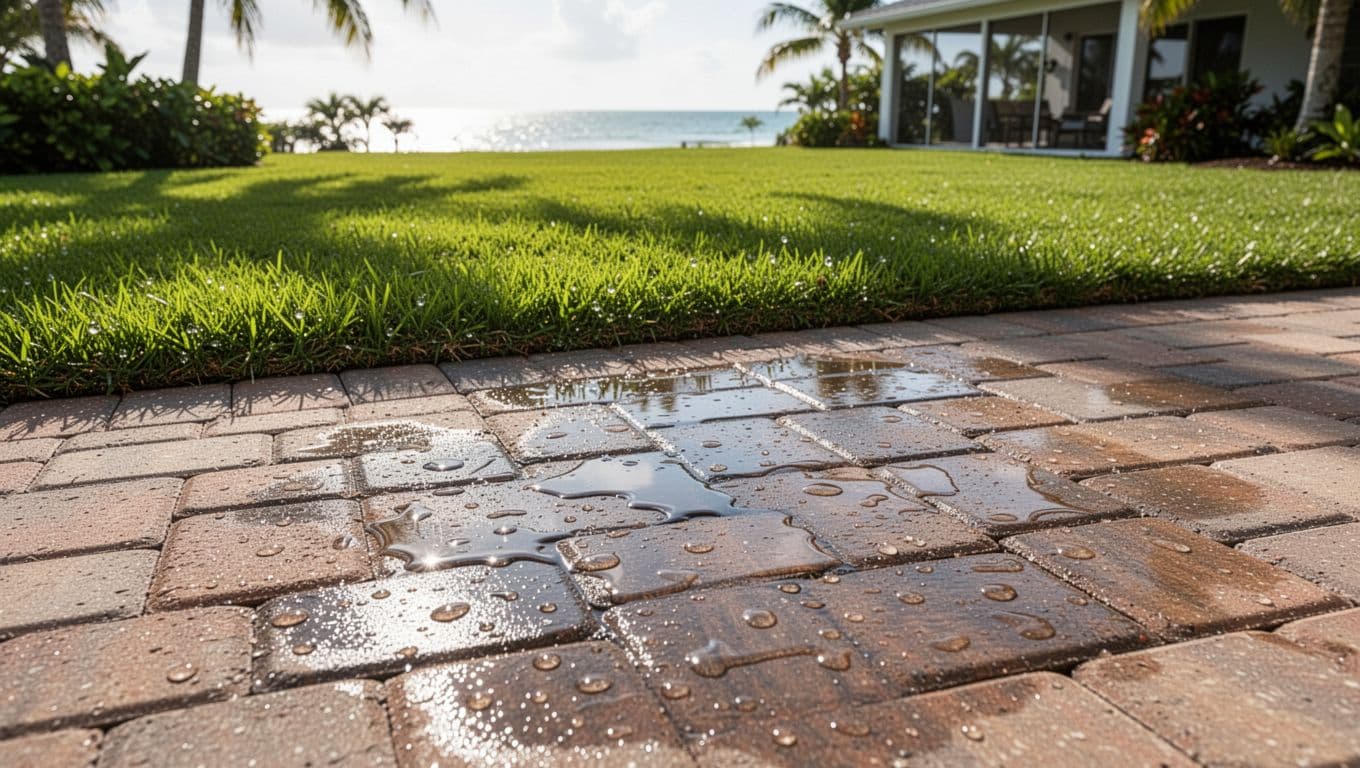
Apply two thin coats. Reapply every two to three years here. Check our paver sealing guide for local tips.
Routine sweeps keep debris out. In rainy season, clear joints monthly.
Know When Pros Step In
DIY works for light haze. Call a concrete company or landscaping team for deep sets, repairs, or full paver installation. They handle base fixes and sealing pros do it right.
Large areas or recurring issues mean poor install. Get quotes for clean and seal packages.
Key Takeaways
White pavers in Cape Coral stem from salts, water, or growth. Clean gently, fix drainage, seal smart. Your patio stays sharp.
Test small, act safe. Enjoy your space longer.
FAQ
Is the white film on pavers permanent?
No. Efflorescence fades as salts leach out fully, often in months. Cleaning speeds it.
Is vinegar safe for paver cleaning?
Yes, diluted. Mix 1:10 with water. Test first; rinse well to protect joints.
Does pressure washing help white pavers?
Sometimes, at low PSI. High power damages sand and shifts stones. Brush instead.
Does sealing prevent efflorescence?
It blocks surface salts but not all. Use breathable types after initial clean.
(Word count: 982)