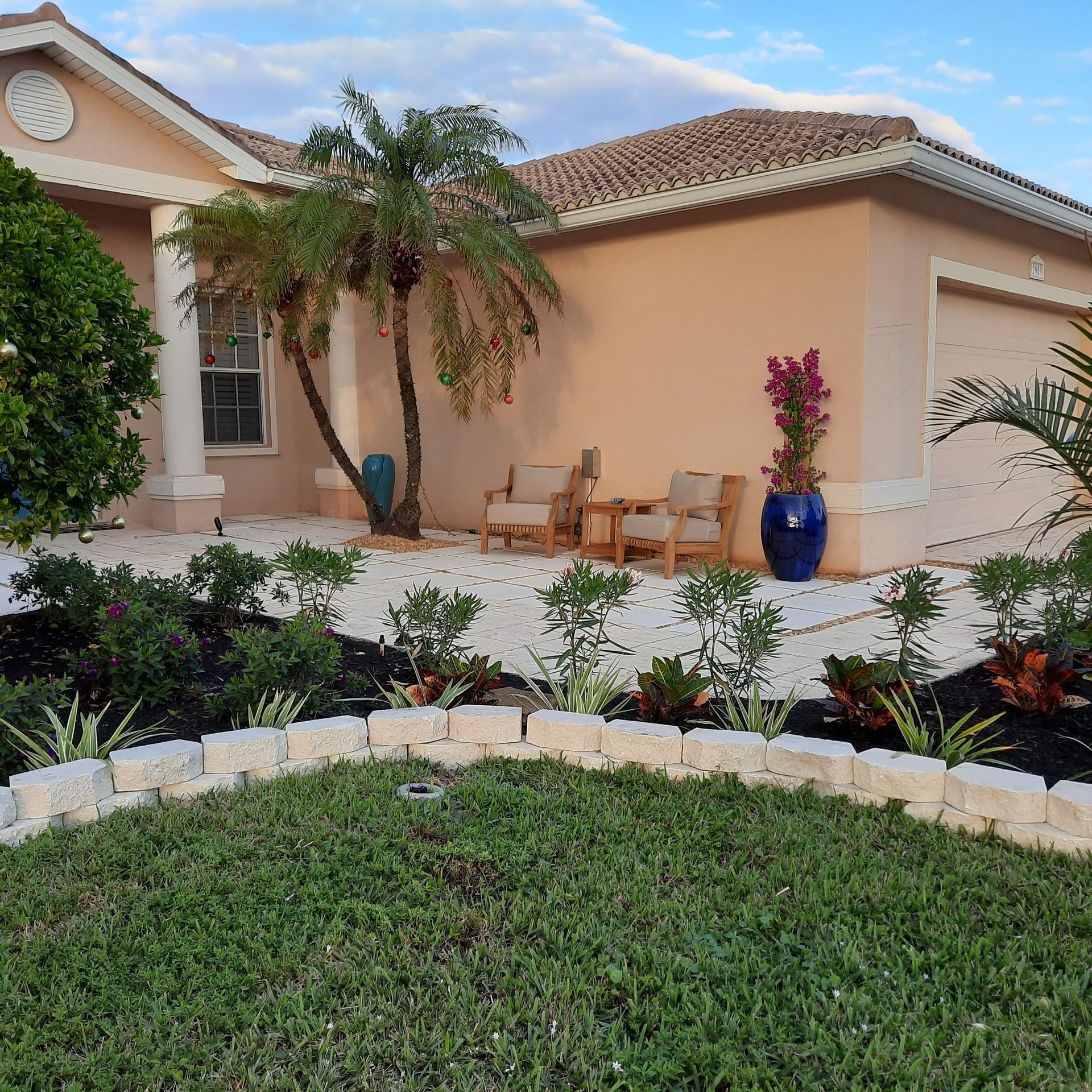



Best Cape Coral Native Plants for Front Yards
Your Cape Coral front yard faces brutal sun, salty breezes, and sandy soil that drains fast. You want curb appeal without constant watering or weeding. Cape Coral native plants solve that. They thrive in our heat and humidity, draw pollinators, and cut your landscape costs. Plus, they boost home value with low upkeep.
Homeowners often fight thirsty lawns or fading imports. Native picks change that. They need little irrigation after settling in. Butterflies and bees show up too. Let's explore top choices that fit front yards perfectly.
Why Native Plants Shine in Cape Coral Front Yards
Cape Coral yards demand tough plants. Heat hits triple digits. Humidity lingers. Salt spray from the Gulf adds stress. Sandy soils hold little water or nutrients. Yet Florida natives handle it all.
These plants evolved here. They resist pests and diseases better than imports. UF/IFAS experts recommend them for water-wise landscaping . You save on bills and time. Pollinators flock to blooms, creating a lively street view.
Front yards need structure too. Mix heights for depth. Taller shrubs frame the house. Low growers edge paths. This setup hides AC units and meters naturally. Results last years with basic mulch refresh.
Pair natives with hardscapes for polish. A local concrete company can pour clean borders. Or consider artificial turf in sunny spots to skip mowing. It pairs well with plants.
Top Sunny Native Plants for Full Exposure
Full sun dominates most Cape Coral fronts. Pick heat lovers that bloom big.
Firebush ( Hamelia patens ) tops the list. It grows 5 to 10 feet tall and wide in full sun. Red-orange tubular flowers pop year-round. Hummingbirds and butterflies love them. Salt and drought tolerance make it ideal for sandy lots. Plant as a hedge for privacy.
Muhly grass ( Muhlenbergia capillaris ) sways gracefully. Mature size hits 3 feet tall, 2 feet wide. Pinkish plumes glow in fall sun. It handles poor soil and needs no fertilizer. Bees visit often.
Gaillardia ( Gaillardia pulchella ) spreads 1 to 2 feet. Daisy-like red-yellow flowers draw bees nonstop. Full sun and sandy conditions suit it. Deadhead for more blooms.
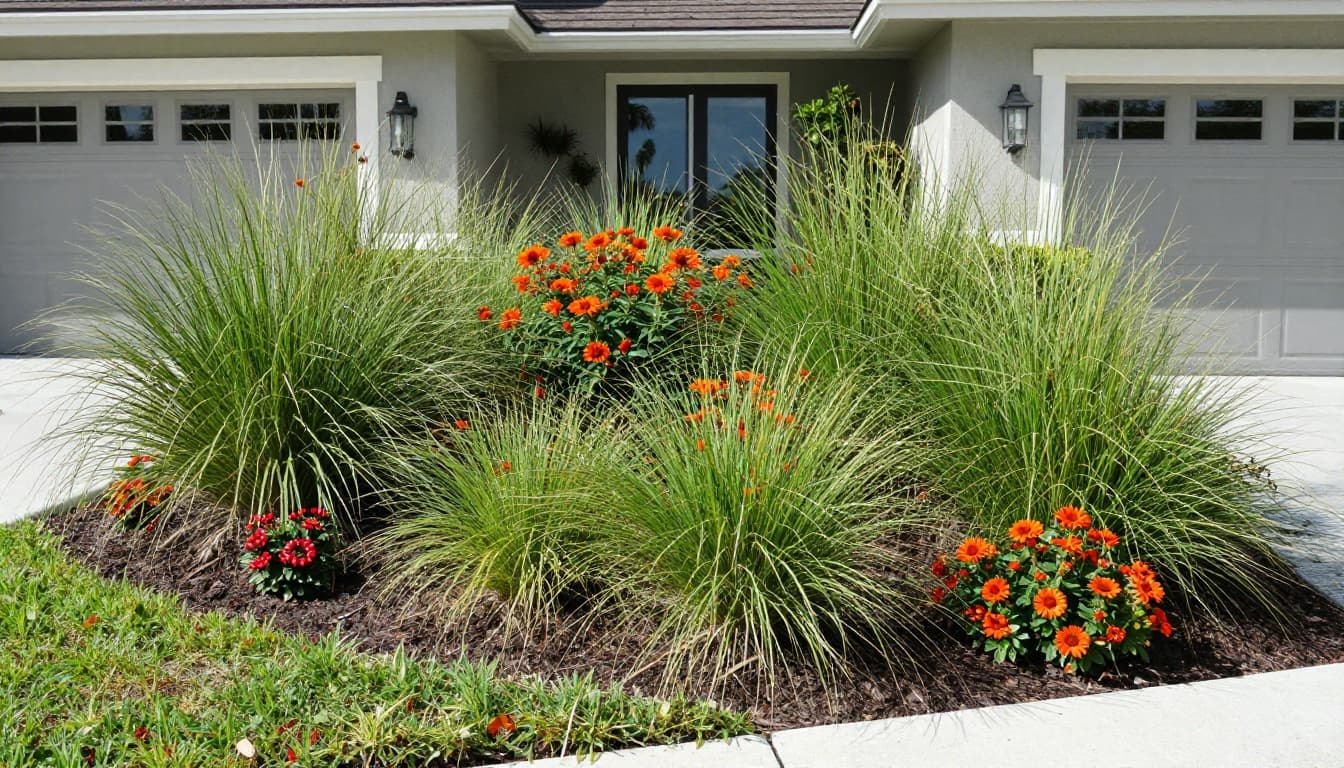
Beautyberry ( Callicarpa americana ) reaches 6 feet. Purple berries cluster in fall. Birds devour them. It tolerates full sun to part shade. Prune lightly for shape.
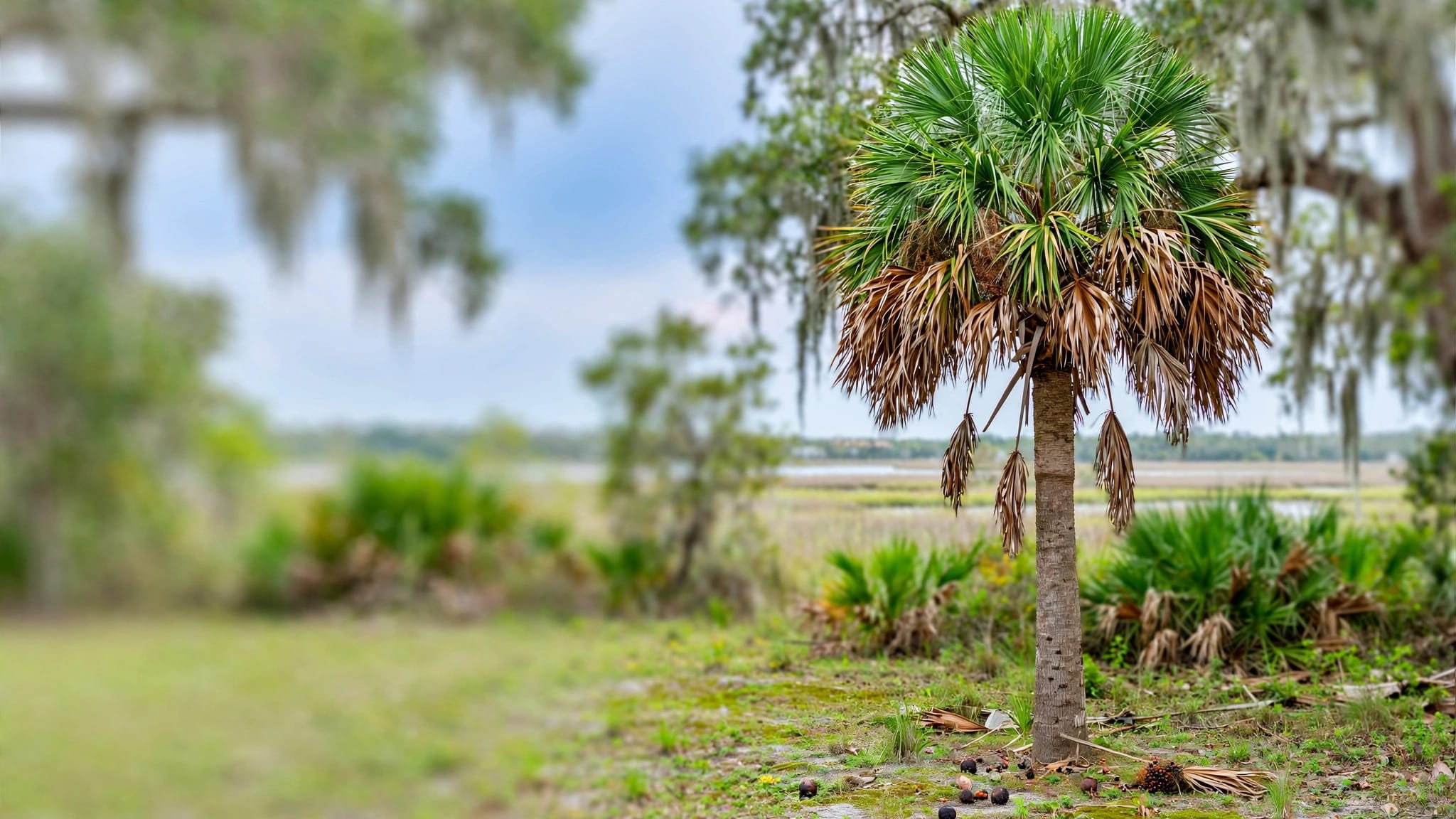
Saw palmetto ( Serenoa repens ) offers a palm-like fan. Grows 4 to 6 feet. Super salt-tolerant for curbside spots. Low water keeps it tidy.
These create texture. Cluster firebush behind muhly for layers.
Shade-Tolerant Native Plants for House Edges
Narrow strips along foundations stay shady. Humidity builds there. Choose understory stars.
Wild coffee ( Psychotria nervosa ) fits perfectly. It stays 6 to 10 feet in part to full shade. White star flowers lead to red berries. Birds eat them. Sandy soil works fine.
Marlberry ( Ardisia escallonioides ) bushes to 10 feet. Evergreen leaves shine. Small white blooms attract bees. It shrugs off salt and wet feet.
Coontie ( Zamia integrifolia ) mimics a fern at 2 to 3 feet. Full sun to shade suits it. Hosts Atala butterflies. Drought-proof once rooted.
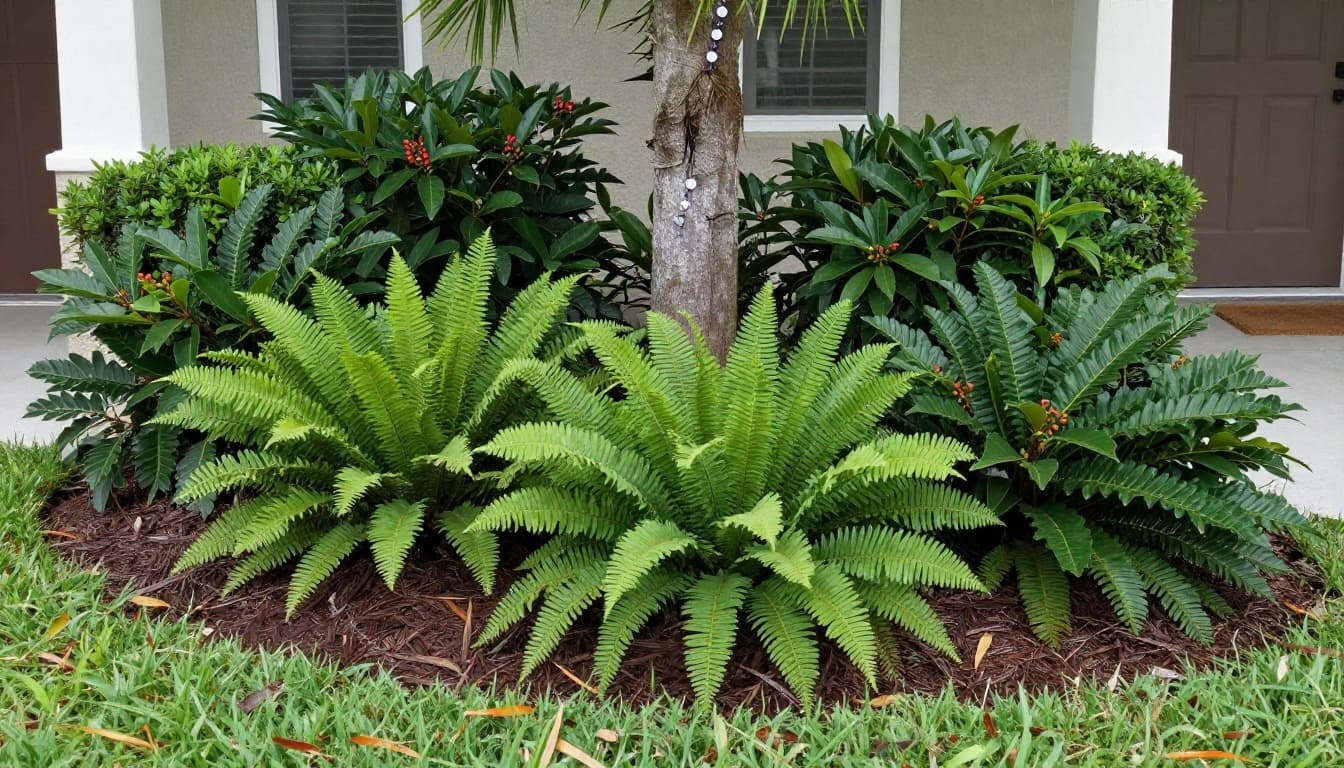
Ferns like cinnamon fern ( Osmundastrum cinnamomeum ) add fluff. Grows 3 to 5 feet in shade. Loves humid shade beds.
These soften foundations. Mulch suppresses weeds around them.
Groundcovers and Vines for Low Spots
Fill gaps with spreaders. They stabilize sand and cut mulch needs.
Beach sunflower ( Helianthus debilis ) creeps 2 feet high, spreads wider. Yellow daisies bloom constantly in full sun. Butterflies swarm. Salt spray? No problem.
Sea purslane ( Sesuvium portulacastrum ) hugs ground at 6 to 12 inches. Succulent leaves thrive in salty sand. Full sun, zero extra water.
Coral honeysuckle ( Lonicera sempervirens ) climbs fences. Vines reach 10 to 20 feet in sun. Red tubes lure hummers. Berries feed birds. Train on arbors.
Jamaica caper ( Capparis cynophallophora ) shrubs to 15 feet or prunes smaller. White flowers explode in sun. Wind and salt resistant.
Use these between pavers or along curbs.
Front Yard Design Tips with Natives
Start simple. Group by light needs. Full sun gets firebush and muhly up front. Shade edges take wild coffee.
Add paths for access. Paver cleaning keeps them sharp amid plants. Schedule it yearly to avoid sand buildup.
Mix in hardscape. A concrete company borders beds neatly. Artificial turf fills play areas, saving water.
UF/IFAS suggests 50% natives minimum. Water new plants weekly first month. Then taper off. Mulch 2 inches deep yearly.
Test soil pH. Aim for 6.0 to 7.0. Amend lightly if needed.
Scale to your lot. Small yards? Stick to three types. Larger? Layer five.
Quick Care Guide from Local Experts
Prune shrubs after blooms. Remove dead fronds from coontie. No heavy fertilizer; it burns roots.
Watch for salt buildup post-storm. Hose lightly. Pests stay low naturally.
For full installs, pros handle grading first. It prevents washouts.
Cape Coral native plants transform drab yards into vibrant welcomes. They cut water use, feed wildlife, and need little fuss. Your neighbors notice. Start small, expand as they root. Enjoy the buzz of bees and easy beauty year-round.